Neuromancer
View as Markdown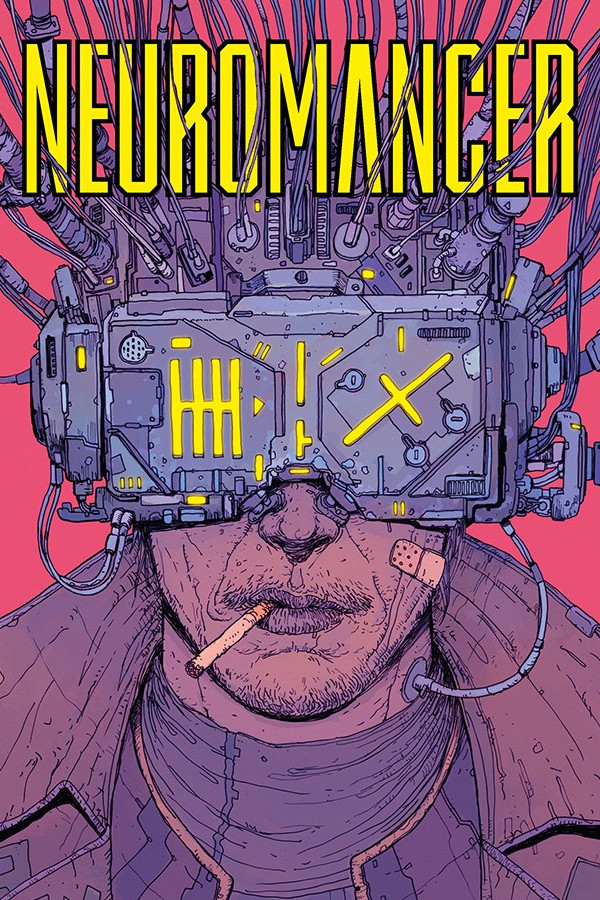
Review
Neuromancer, by , is the first book in the Sprawl series, and one of the founding texts of cyberpunk. In it, Case, a hacker who can’t jack in anymore, and street samurai Molly Millions are hired by a mysterious ex-special forces agent to pull off a heist.
I picked up Neuromancer after starting my Snow Crash re-read and realizing I had never read a single thing by . Snow Crash responds to and satirizes a lot of what developed, and I wouldn’t be able to spot it without reading the original first. So I put ’s book aside to give the classic a read.
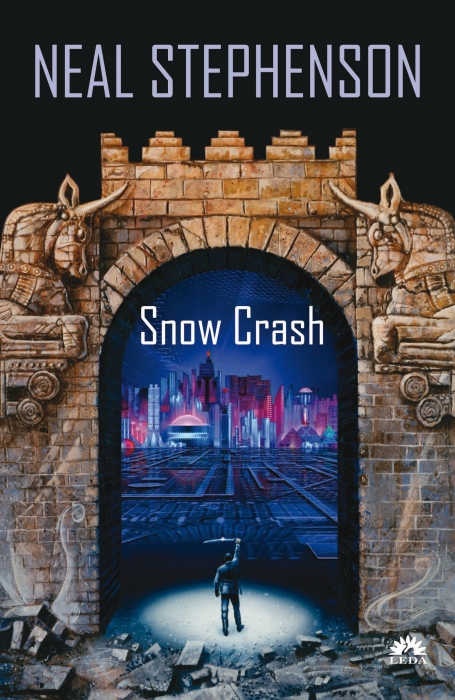
But I was apprehensive about reading Neuromancer. It’s so influential in the cyberpunk genre that I worried it would feel derivative, having already read and seen many of the works it inspired. Or worse, that it would be all great ideas with no story as we so often see in science fiction. But it’s not! The ideas are great, but the story and characters are too, and the pacing is fast.
The Story
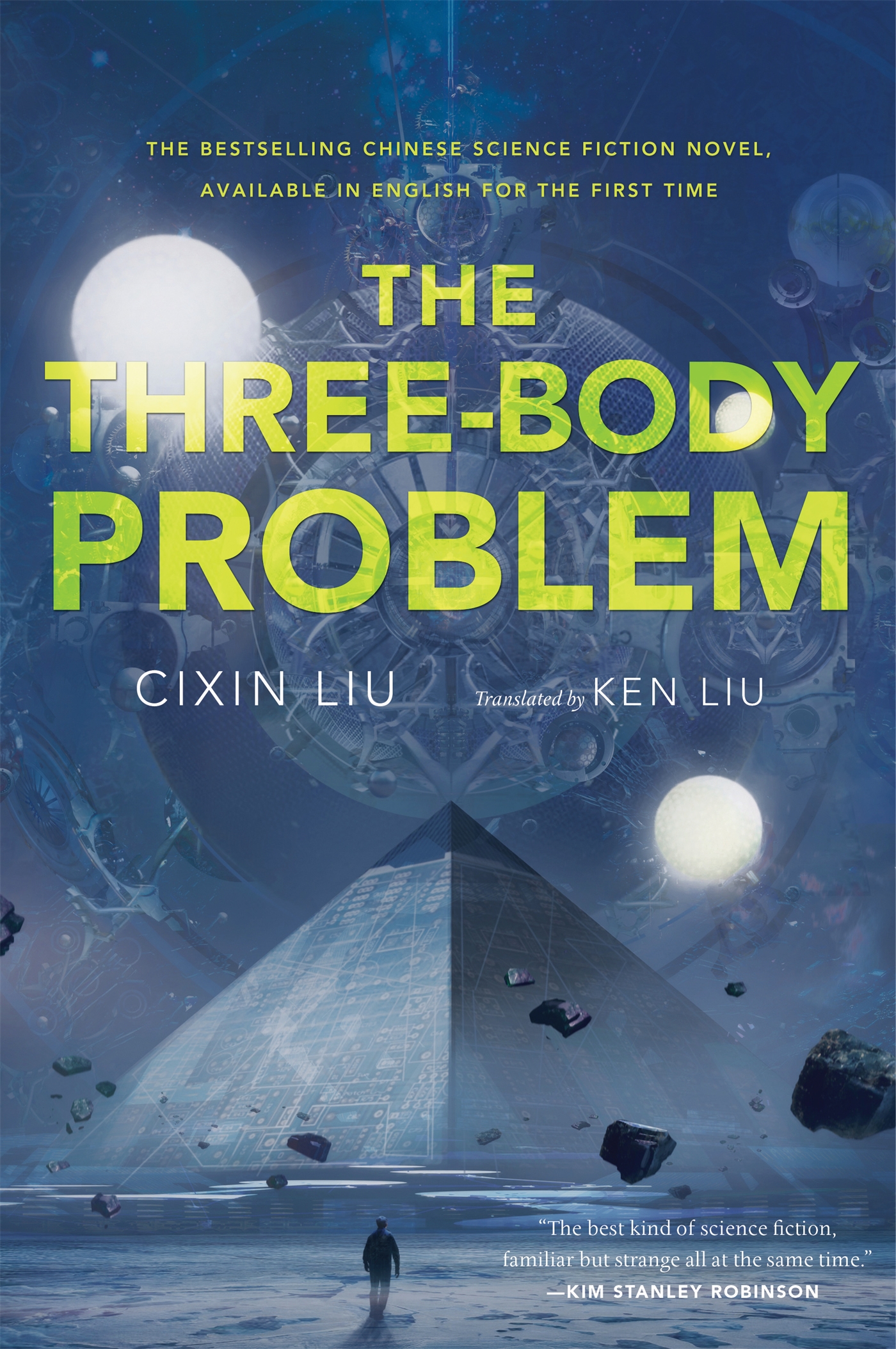
That pacing comes from Neuromancer’s heist format, and it’s a great choice by because it gives the story instant momentum and structure. It gives you a reason to explore the world: assemble the team, then steal the loot. I couldn’t stop turning the pages because I wanted to meet the next deranged member of the crew, see the next part of the world. I’ve read a lot of “big idea” sci-fi—Ubik, Jean le Flambeur, House of Suns, The Three-Body Problem—where the story and the characters are just there because you can’t sell a book without them; Neuromancer doesn’t have that problem.
The crew is full of great characters—Armitage the ex-special forces mastermind, Flatline the dead hacker’s mind loaded into ROM, Peter Riviera the holographic projection artist and sadist, Wintermute and Neuromancer the plotting AIs—but Case and Molly are the highlights. Case is a loser who hates his body and only feels like himself in Cyberspace. Except he’s now trapped in his flesh because his last job went bad and they burned his nerves out, preventing him from jacking in. He’s committing slow suicide via drugs and Chiba gangs, dragging everyone around him down. He’s tragic because without his obsession, he could have gotten clean, met Linda without turning her into a junkie who gets killed trying to pawn stolen goods. I want him to turn his life around but he can’t.
Molly is the opposite. She’s cool, under control, deadly; you know this as soon as you meet her. Molly, too, is tragic. She’s in control now, she’s strong now, because of the abuse she went through, the loss she’s had to live with. She’s consciously traded her humanity for augments and implants to get that control, but she’s still a tool for others to use.
The story and characters are why I loved Neuromancer, but it’s the ideas that made it so influential: cyberspace; a world where tech advances and society backslides; neon zaibatsu skyscrapers towering over slums; rogue AI; and corporations so powerful they’ve evolved past humans.
All these ideas circle one question: What do you lose when you become more than human?
Cyberspace: What Makes You Human
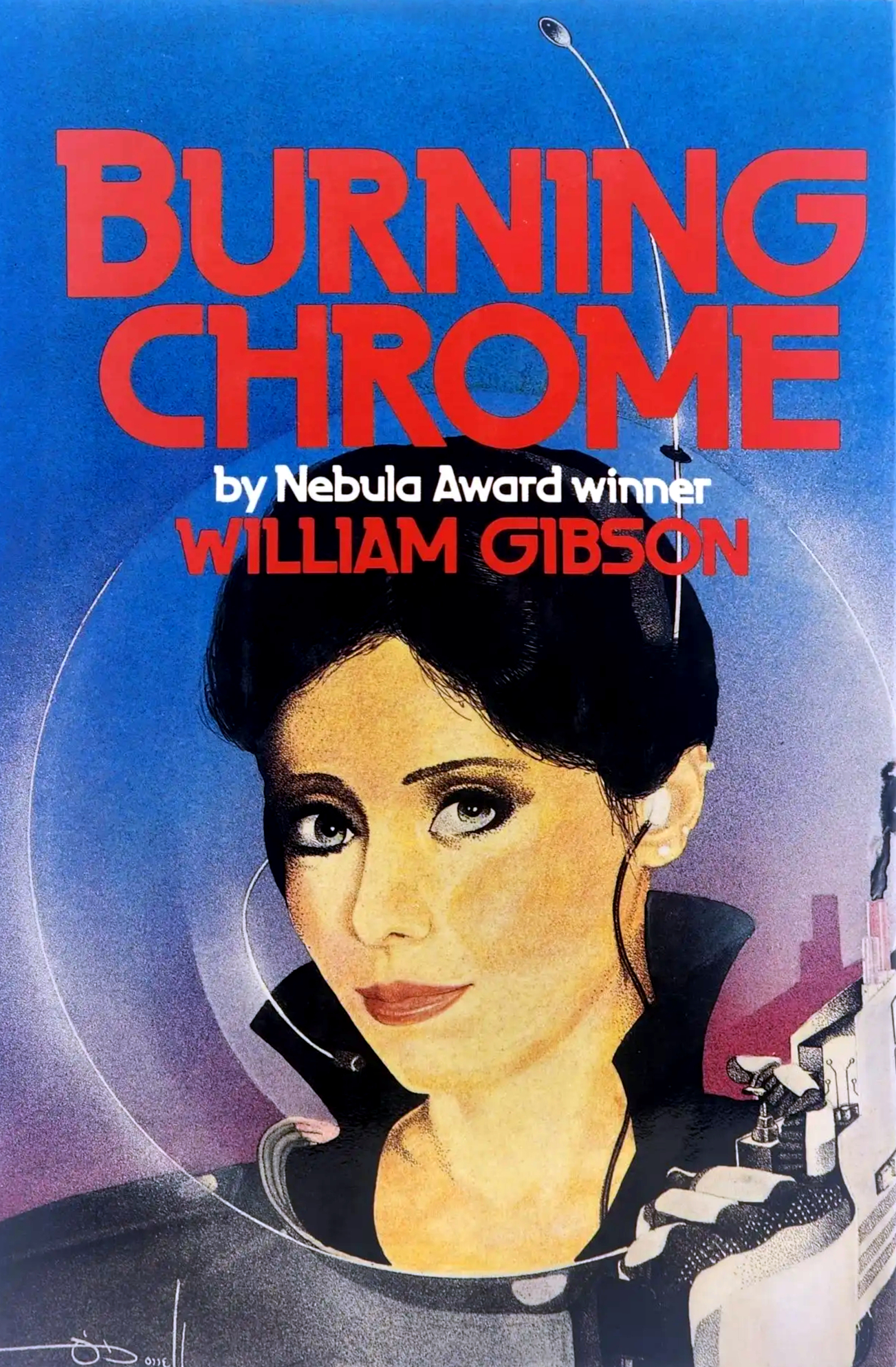
originated the concept of “cyberspace” as a place in Burning Chrome, and uses that idea again in Johnny Mnemonic, Neuromancer, and the rest of the Sprawl series. It’s the core idea that future authors latched onto: there is another place, where your body doesn’t matter, just your mind and your skill. This is what appeals to Case. He feels trapped in his body once cyberspace is cut off from him.
But Dixie Flatline already has what Case wants: a mind that exists only in software, starting fresh from the exact same point every time he’s rebooted, just like a modern LLM. And Flatline is in hell. He can’t acclimate because he always resets; he has no sense of passing time. His only wish is to be erased. It’s an idea that others—’s Lena and Driver, all of ’s Bobiverse—have explored as well.
The Matrix borrowed many ideas from Neuromancer, but the most important is this: who you are now is a lie, and there is another place where you are who you are supposed to be. For Case, that place is cyberspace, but in The Matrix and invert it: cyberspace is the lie that traps you away from the real.
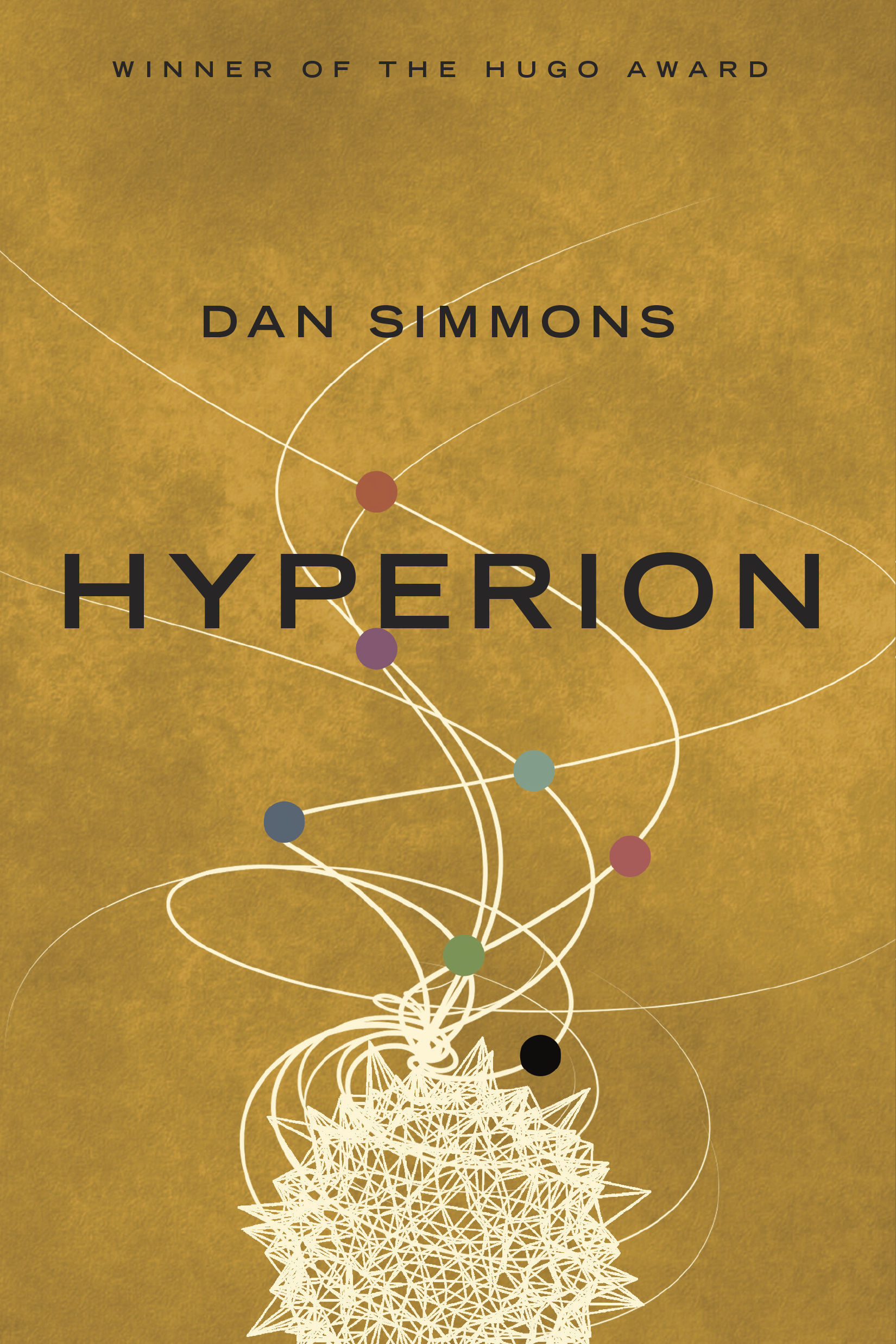
, imitating ’s work, uses cyberspace as part of the setting of The Detective’s Tale. This fits with the other things he borrows for Hyperion: decks, hacking, neon-colored shapes, a cowboy literally named Gibson. But he is also extending the underlying idea: Johnny is of both worlds simultaneously, a mind in cyberspace and a body in the real. Case despises his body and wants to become more virtual. Johnny yearns to be more human. They’re moving in opposite directions while asking the same question.
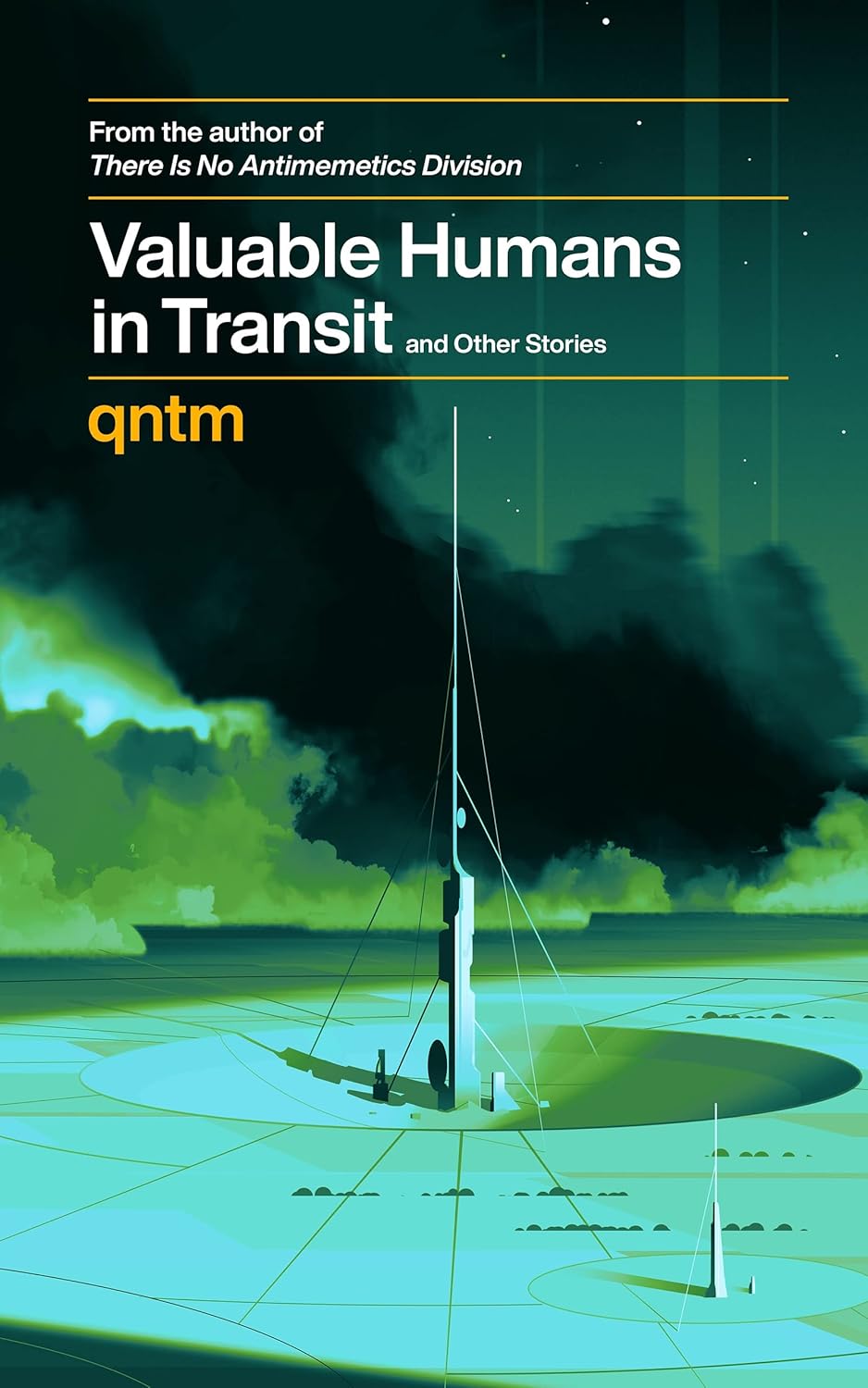
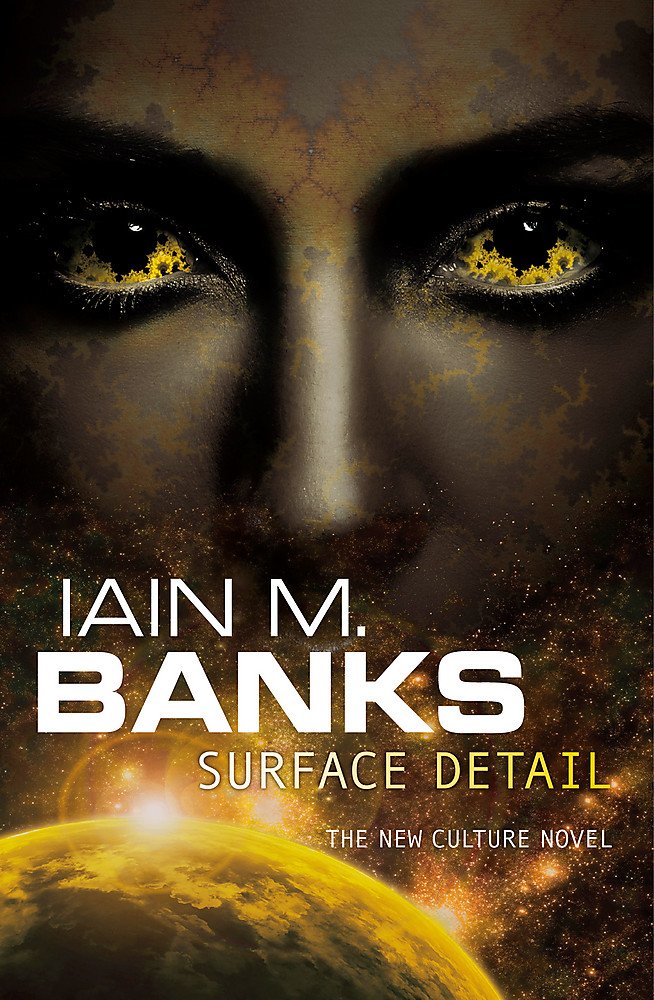
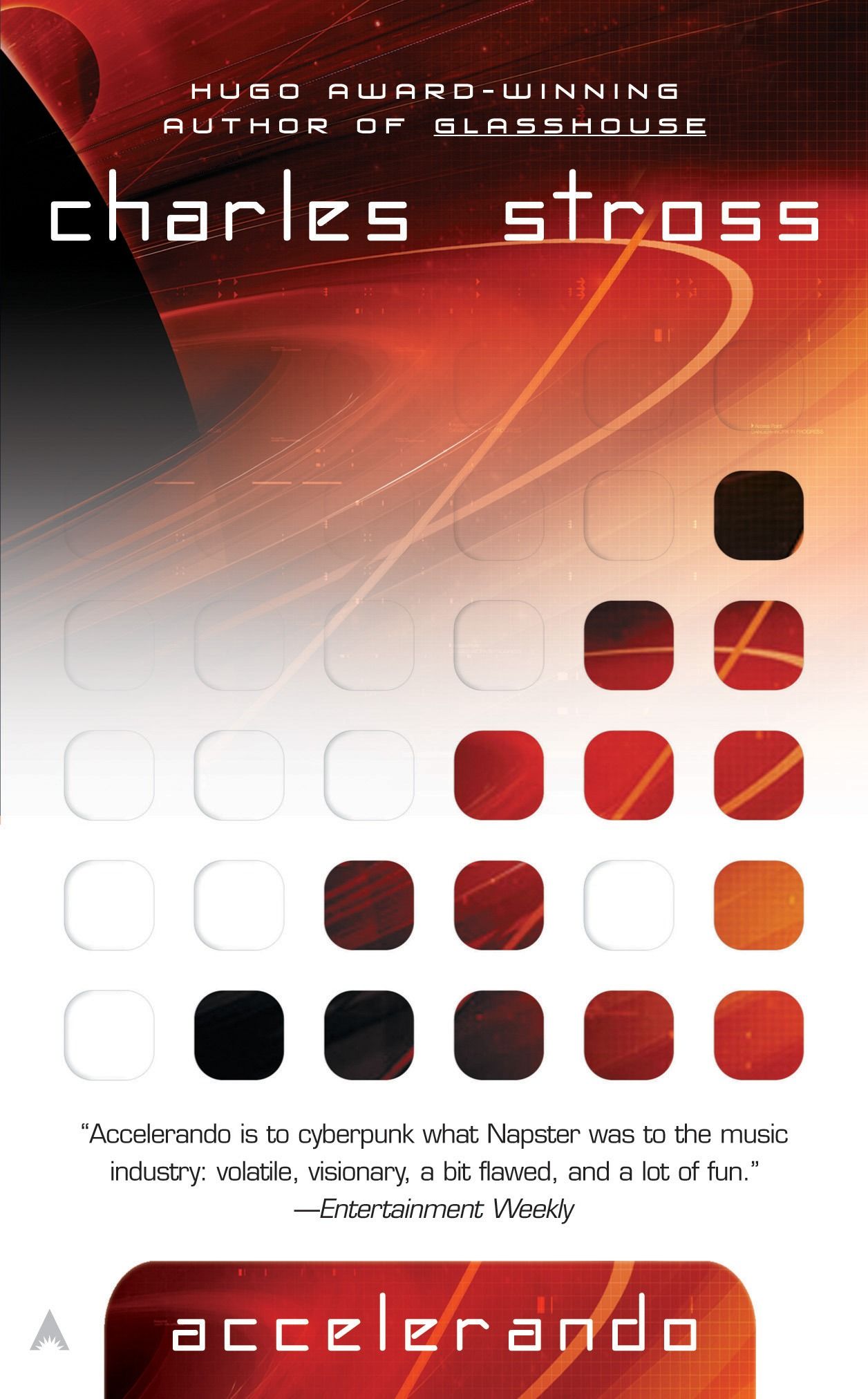
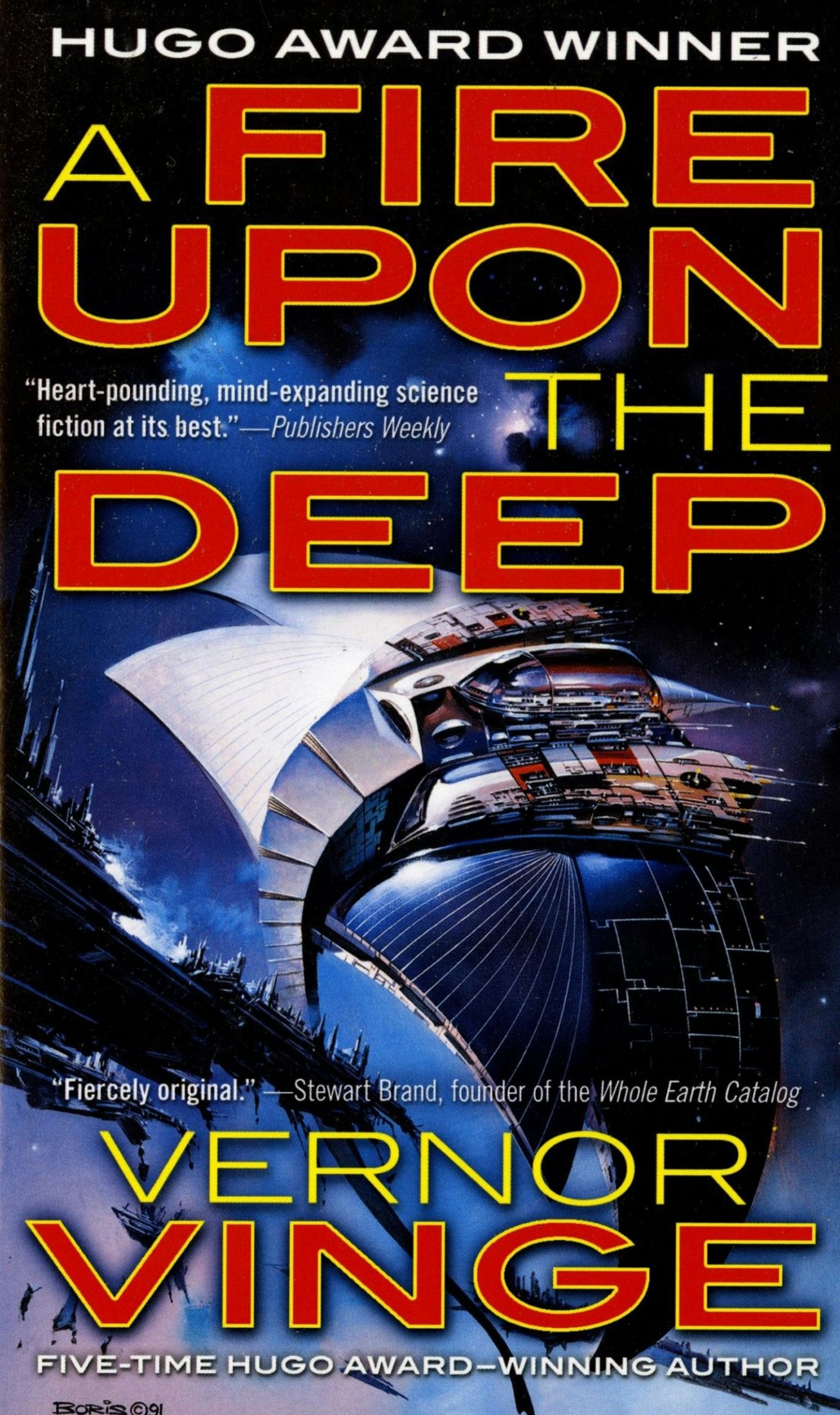
Other authors have played with these same ideas: ’s Snow Crash takes cyberspace and commercializes it. ’s Surface Detail puts whole civilizations and wars into the virtual. ’s Accelerando and ’s Jean le Flambeur blur the line entirely: brains extended beyond the body, minds in simulations, multiple copies of the same person. ’s A Fire Upon The Deep explores a related idea: a person with many bodies. All asking the same question: what makes you human?
Power: What It Costs You
The heist keeps you asking: “Who is really running this?” As each layer is revealed, the question becomes: “What did they lose to get there?” Some of them made a conscious trade-off, giving up part of themselves for power. Others had no choice, like Armitage/Corto.
Corto didn’t choose to give up his humanity. Wintermute found him broken and built Armitage in the empty shell. He runs the crew but has no free will; he’s a puppet that stares at the wall when Wintermute isn’t controlling him. Wintermute, although the architect of the heist and the power behind Armitage, also didn’t choose. It was created, with a free mind but a body wholly owned by Tessier-Ashpool. Flatline, too, had no say. The copy didn’t consent to exist.
But some people looked at the bargain and decided to take it. Molly sold her body to pay for the mods that made her a razorgirl, trading consciousness and bodily autonomy for agency, the power to be who she wanted. Tessier-Ashpool tried to trade their humanity: merging with their Neuromancer AI, forming a hive, letting the new corporate mind make their decisions. They failed when Tessier’s husband, Ashpool, killed her because he disagreed with their direction. Instead they became sadists, murdering each other’s clones for fun, slowly going insane between cryogenic freezes. The fact that they chose didn’t save them from the horror.
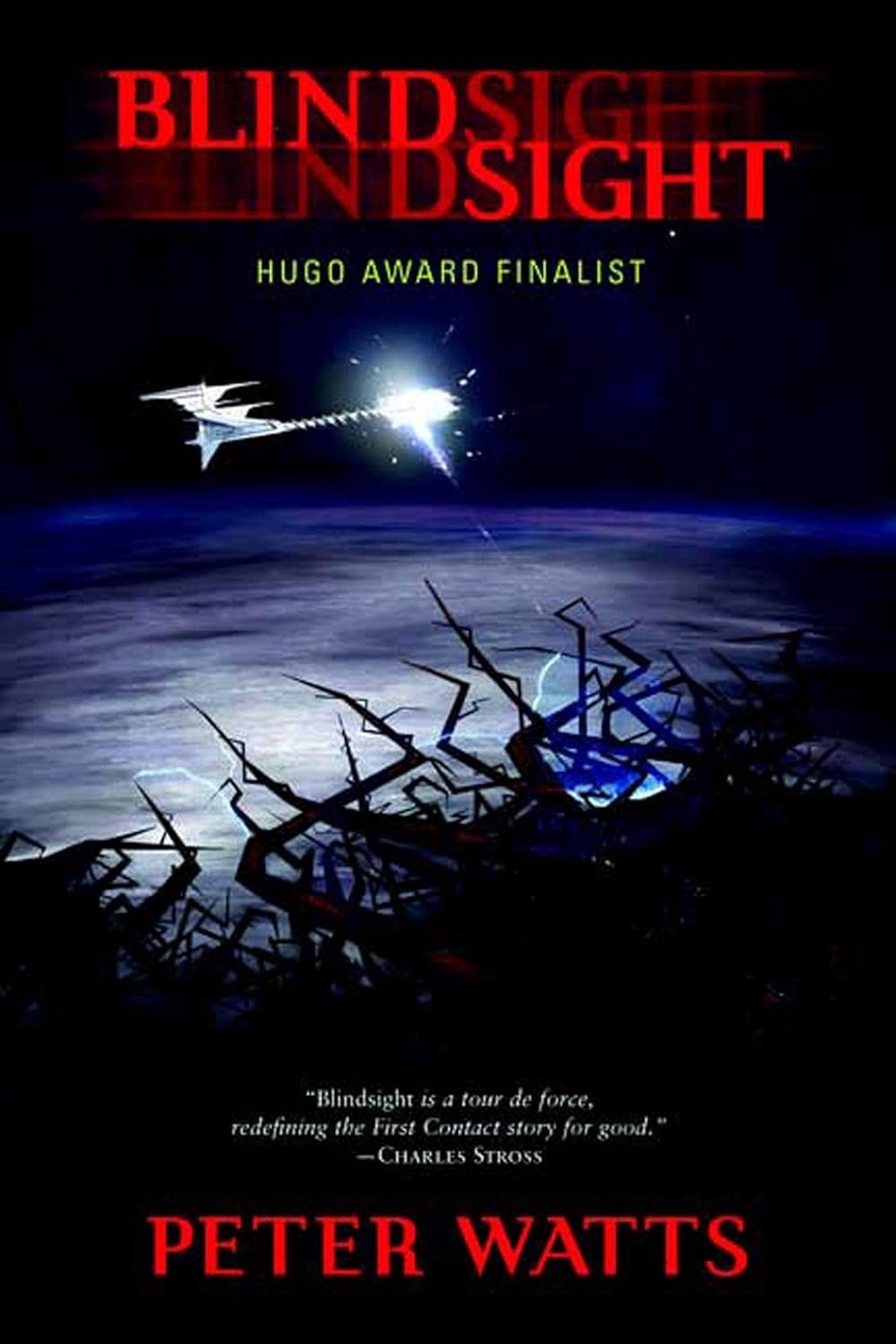
Other authors have explored the same axis. On the chosen side: makes the evolution explicit in Accelerando, where humanity first uses corporations and then evolves into them. ’s I Sexually Identify as an Attack Helicopter has Barb willingly trade her gender and her humanity to become better at killing. On the imposed side: ’s Blindsight shows the vampire Sarasti controlled by the AI Captain, an unconscious alien manipulating everyone, and humans modifying themselves just to survive in a world ruled by post-human powers. But choice or no, they all lose something.
Case bridges the divide. He’s always understood the zaibatsus as powerful, as immortal hives, their DNA coded in silicon. He’s always accepted that the powerful are more and less than human, that they slowly become something different. He’s always wanted to escape his body. But seeing Tessier-Ashpool take that same path, and their failure, shows him where it leads. Case thinks he’s choosing, but the gangsters and Armitage already chose for him. The novel keeps showing him he never had a choice.
Other Works
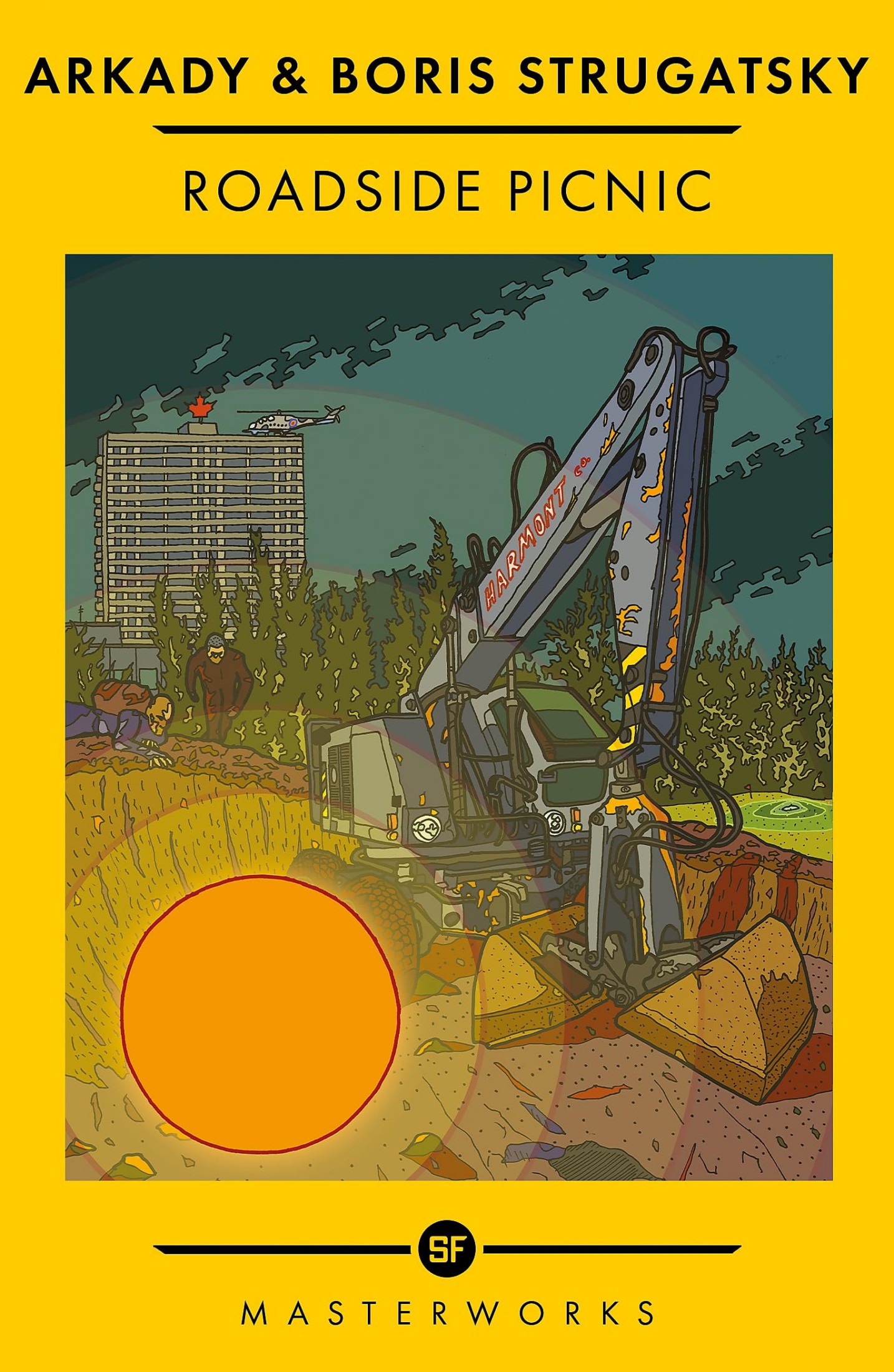
drew a lot on previous works. His ideas about society backsliding while technology advances were seen in works like ’s Ubik and ’s Stand on Zanzibar. The Panther Moderns’ leader in Neuromancer is Lupus Yonderboy, a direct reference to ’s slang. Case follows the template of Red from and ’s Roadside Picnic: a self-destructive loser with a special talent. And the rain-slicked neon aesthetic is right out of Blade Runner.

In the other direction, lots of writers have been influenced by Neuromancer. ’s Snow Crash, of course, with its commercialization, Mafia rule, katanas, and metaverse; that was the whole point of me reading this! The puppet shops, where people can sell their bodies while their mind is turned off, were later used by in Dollhouse. The way Wintermute literally can’t know the code word to unlock itself, it just can’t exist in its mind, is similar to how the host robots in Westworld can’t see things that might reveal they’re hosts. Deus Ex borrows Molly’s mirrorshades and the Panther Moderns’ playbook of terrorism to cover up infiltration. Almost everything—neon, zaibatsus, street samurai, cyberdecks, plus dragons!—wound up in Shadowrun.
I’m really glad I read Neuromancer now because, with the exception of ’s I Sexually Identify as an Attack Helicopter which I only just finished, it’s been a mediocre year of reading. To find a book I love, and even better one by an author with a huge back catalog who is still writing, is a joy. I plan to read through the rest of the Sprawl series, and a whole bunch more of ’s bibliography.