Fahrenheit 451
View as Markdown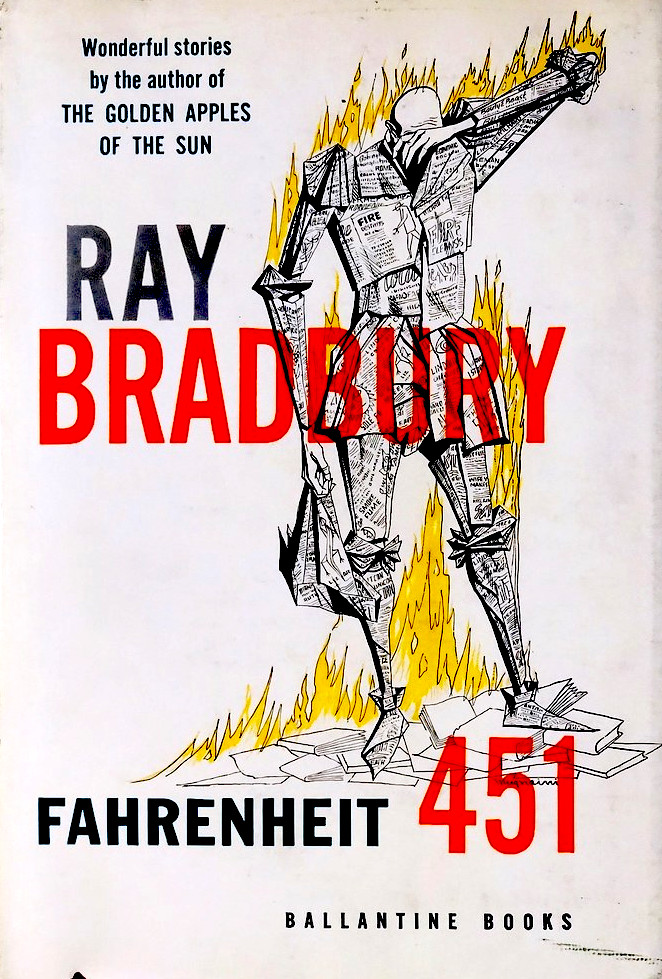
Review
Fahrenheit 451, by , is a classic novel about the homogenization of mass media and our collective flight from intellectual challenge. It follows Guy Montag, a fireman who burns books for a living, as he slowly realizes he must stop.
I first read Fahrenheit 451 when I was just beginning to choose sci-fi books from the library for myself. I loved ’s take on censorship and the importance of free media and free thought. I went on to read everything wrote. I saw it as a companion work to ’s 1984 or ’s Brave New World. It felt very advanced, a book that showed you instead of telling.
The Message
But would be the first to tell you his book isn’t about government censorship, not the way I read it as a child. It’s obvious now that it is a screed about unchallenging culture, about the massification of media through TV and radio, about how all the rough edges are filed off until no one is offended but no one has to think. was truly prescient about one thing: people don’t want to be challenged. But he misjudged where that would lead. Modern social media, which replaced mass media, doesn’t grind things into the same bland paste for everyone; it sections people off into bubbles where their friends repeat back exactly what they want to hear.
Rereading it now, ’s writing is much simpler than I remember. Fahrenheit 451 is a series of vignettes in which Guy Montag experiences the world and slowly wakes from his dogmatic slumber. First, he burns books and remarks on how much he loves the fire; next, he meets Clarisse and realizes curiosity and friendship have vanished from the world; then, he returns home to find his wife dying of an overdose. A book is a collection of small scenes stitched together, but how those scenes relate is what makes a novel, and that is where Fahrenheit 451 is weakest.
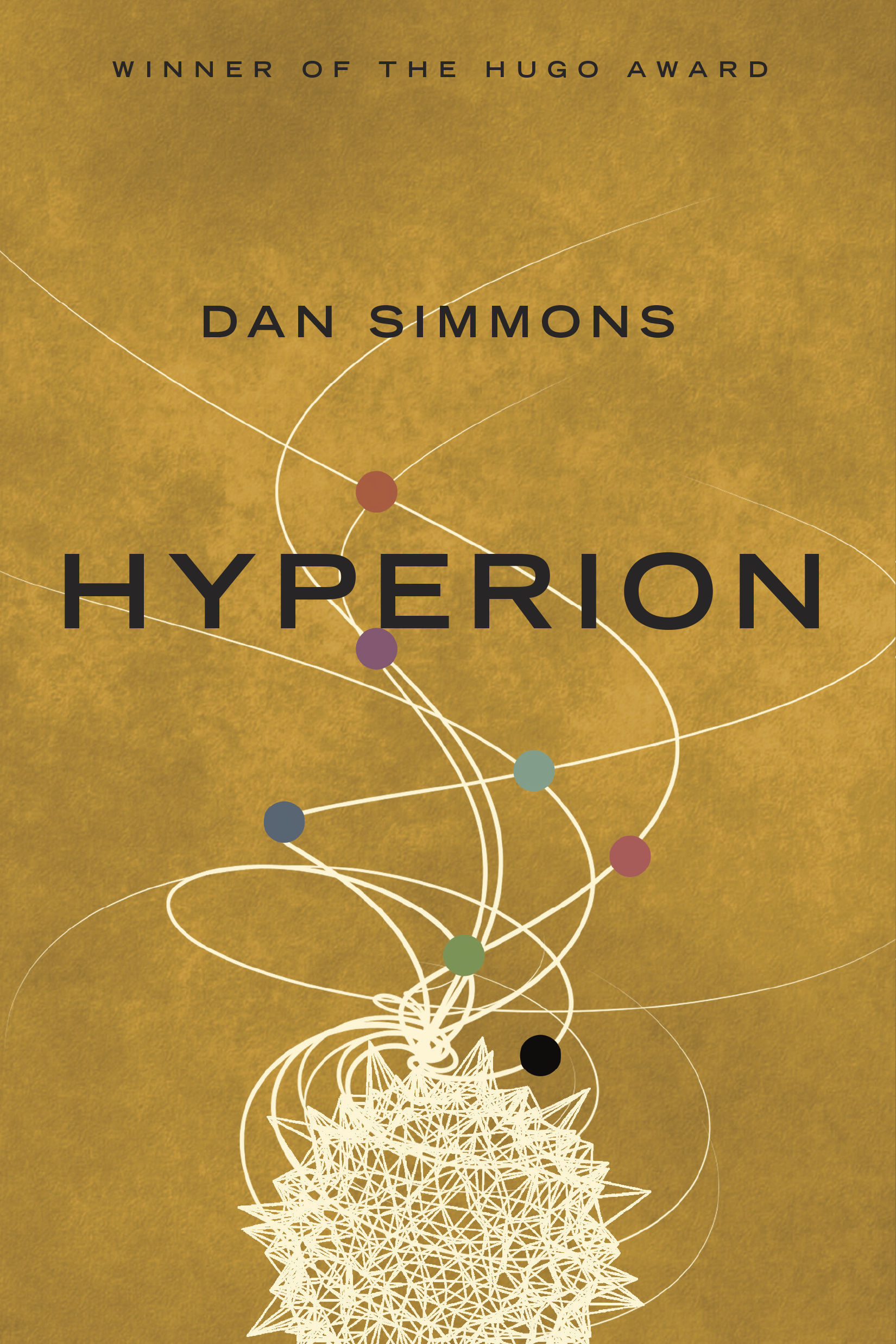
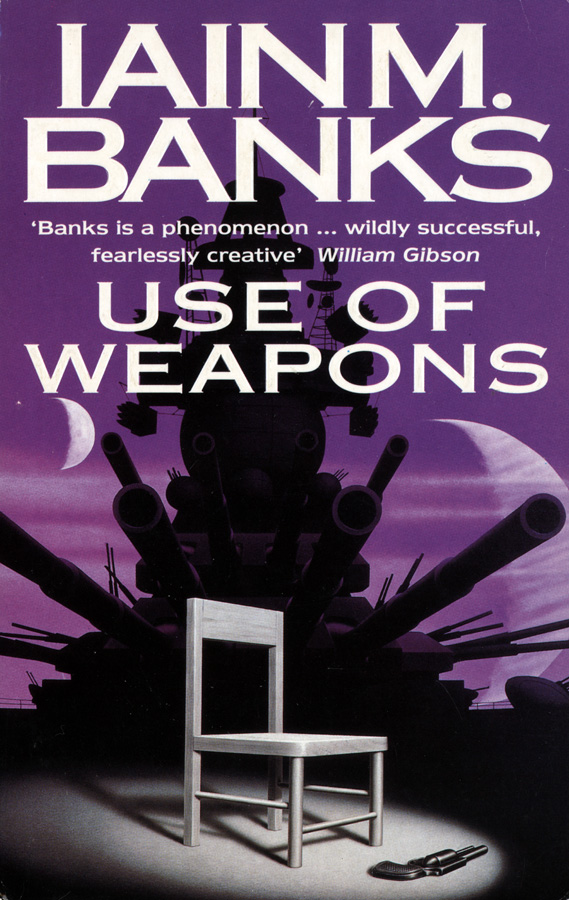
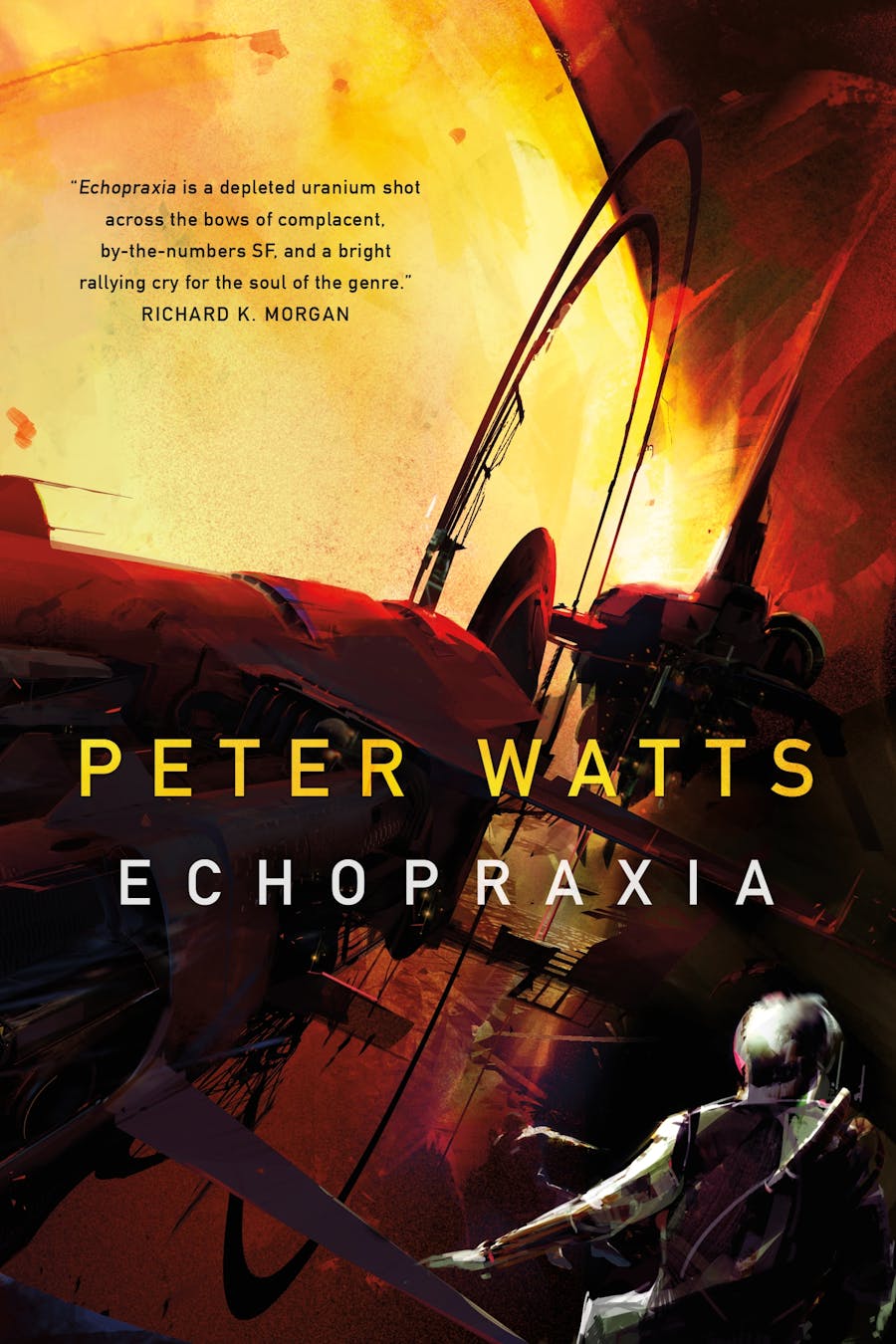
Some of my favorite books have structures that reinforce their themes. Hyperion nests six tales inside a pilgrimage allowing its theme—the new order replacing the old—to play out six times at different scales. Use of Weapons runs its two timelines in opposite directions, one following its protagonist’s latest missions forward, the other exploring backwards through his past until the mystery of his origin is revealed. Absalom, Absalom! tells the same story over and over through unreliable narrators until the meaning changes, showing how the past isn’t known; it’s constructed. Even Echopraxia, which has a simple structure, repeats its themes and images, giving the reader a chance to assemble a picture the narrator can’t. ’s vignettes are individually effective and memorable, even deep, but isolated from each other: each arrives, makes its point, and exits. The arrangement is so simple it makes Fahrenheit 451 feel didactic.
The Imagery
But despite the simplicity of the structure, weaves in vivid imagery. Fire dominates: people are torches, blazing through life; Montag’s false smile melts like a candle; words blaze into minds as if stamped by fiery steel; women have sun-fired hair and blazing nails. Water is the antithesis: Clarisse, who begins Montag’s journey away from burning, drinks in the rain, and Montag imitates her after she runs off, letting the water in. Her eyes are shining drops of water reflecting Montag back at himself. The autumn leaves around her are a dry rain. When he last sees her, she talks about the dew.
In the end, Montag’s baptism in the river breaks fire’s hold. He bathes, puts on Faber’s clothes, and emerges a new man. When he encounters the hobos in the wilderness, he discovers their fire is no longer threatening but life-giving. It’s the culmination of the book’s phoenix metaphor: Montag’s transformation out of the flames foreshadows civilization’s.
Not everyone accepts this transformation. Captain Beatty, Montag’s superior, is a fascinating character because he had the same opportunities Montag did and refused them. He constantly quotes literature to attack Montag’s ideas and expose the contradictions in books—the perfect foil for the ex-professor Faber. He has read widely and still sides with the simplified society, still chooses to burn. In the end, that tension is probably why he commits suicide by flamethrower.
Lineage and Legacy
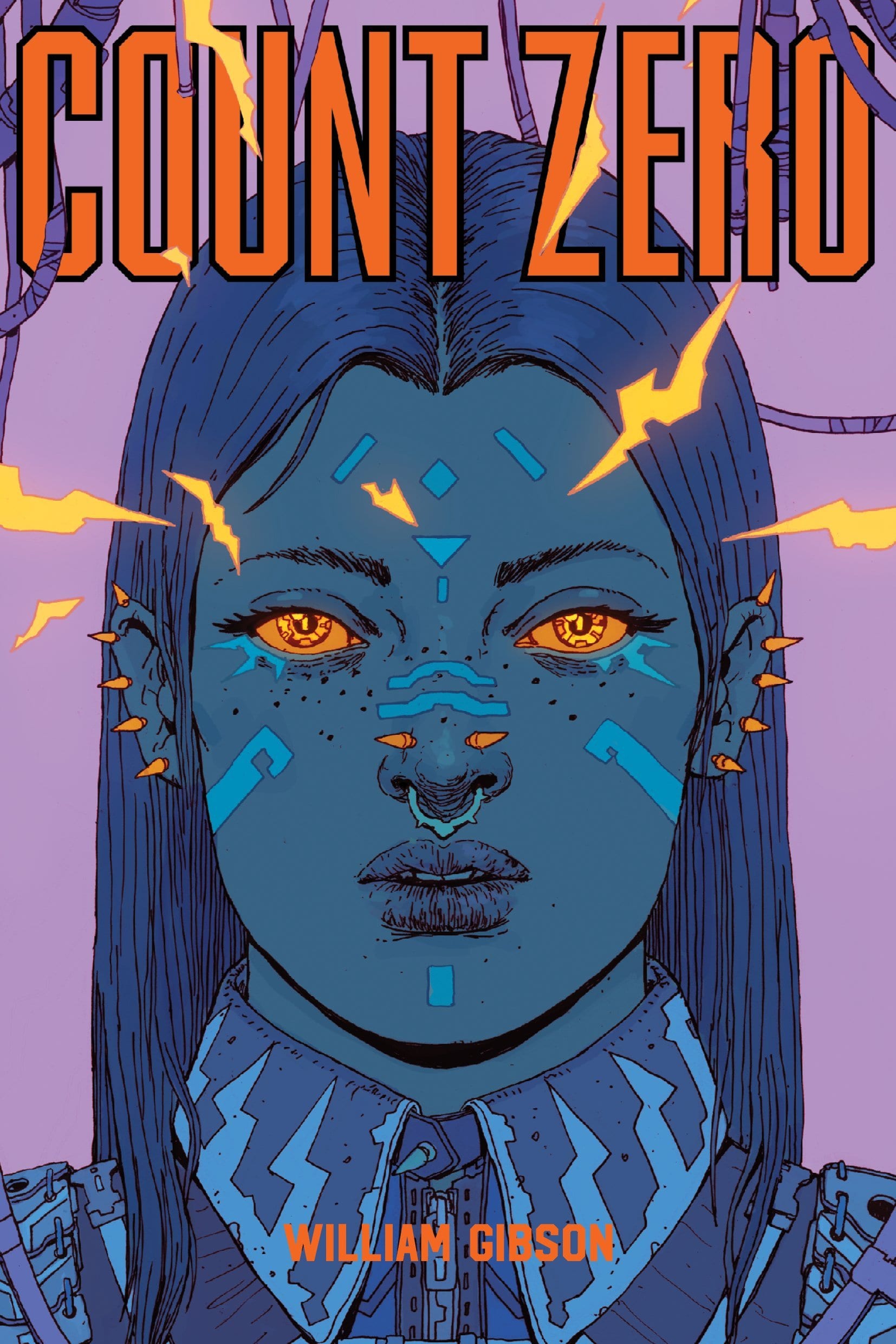
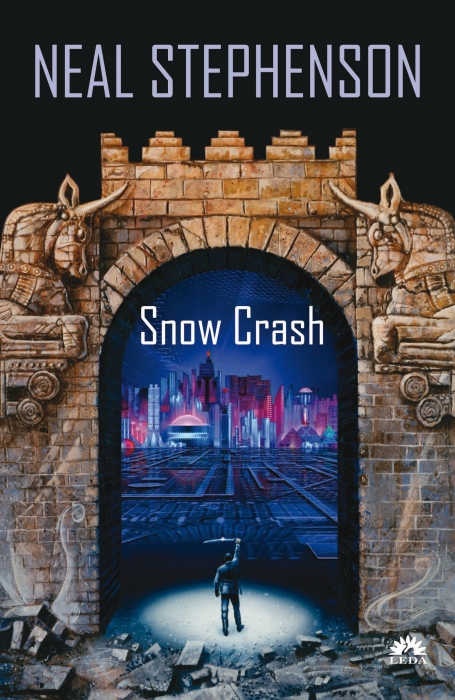
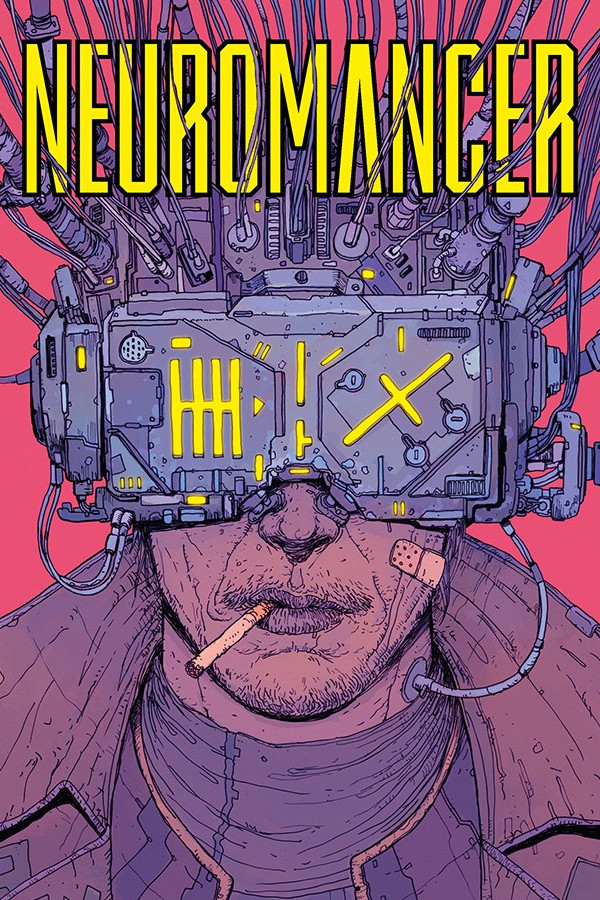
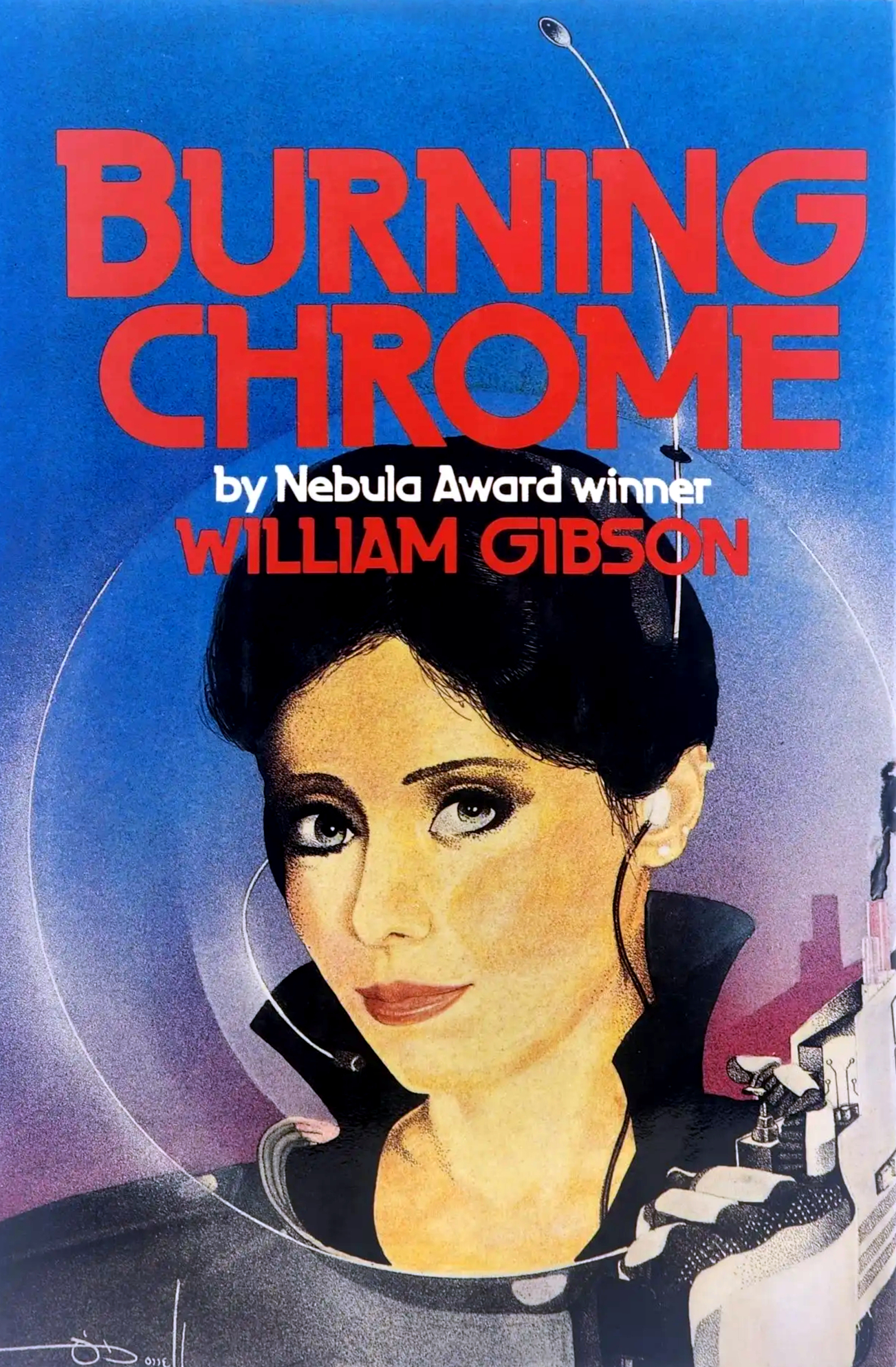
Fahrenheit 451 reminds me of a few other works. The Hound, which is neither fully robot nor fully animal, is the clear precursor to the slamhound in ’s Count Zero and the rat thing in ’s Snow Crash. The televised chase of Montag, with the whole city watching, is like ’s The Running Man. The subway blasting ads presages ’s work. The way a book can be preserved because the human mind retains more than it knows is the same way Neuromancer reconstructs places from human memories in ’s Neuromancer; using humans as storage devices is an early version of the data carriers in Johnny Mnemonic.
One scene has stuck in my head for decades: the radio orders every citizen to open their doors and look outside to catch Montag, and everyone does. That’s the power of ’s simple writing. I look forward to re-reading the rest of his works soon.