I Sexually Identify as an Attack Helicopter
View as Markdown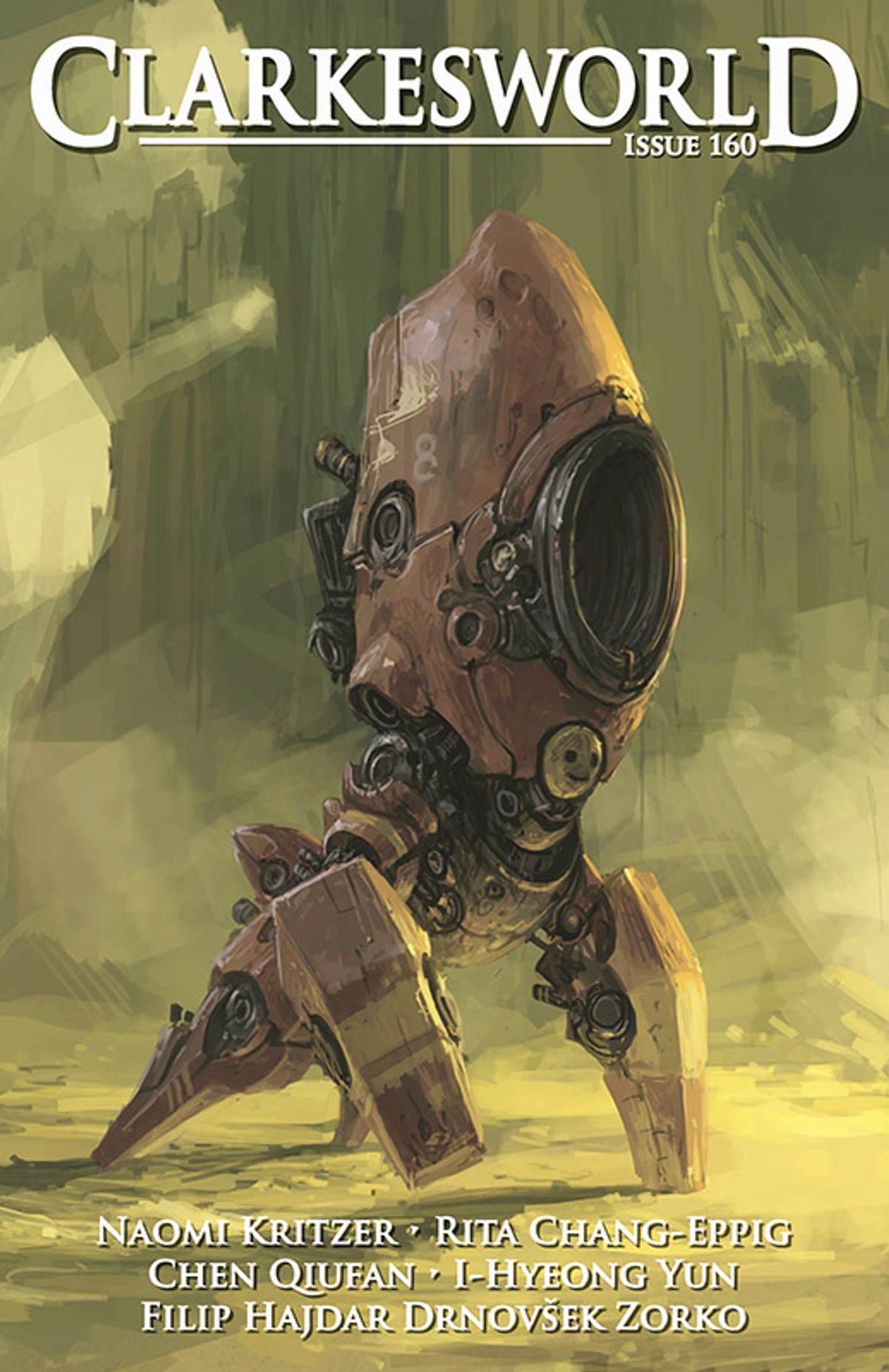
Review
I Sexually Identify as an Attack Helicopter, by , is a novelette about a pilot whose gender is reassigned to “attack helicopter” to make her a better soldier. It follows Barb as she bombs a high school, wrestles with what she’s become, and asks what gender even is.
I can’t write about I Sexually Identify as an Attack Helicopter without acknowledging the controversy that surrounded it. It was published in January 2020 in Clarkesworld and almost immediately provoked outrage. People accused not of reclaiming the transphobic joke, but of furthering it. She was harassed until she asked to have the story taken down. It still earned a well-deserved Hugo nomination, under the title Helicopter Story. I’m saddened that we drove away a brilliant new author, and that I likely won’t have the chance to read more of her work.
does three things brilliantly in this story:
First, she builds a world believably in crisis. Climate change has rendered the equator uninhabitable; refugees flee north and sell themselves as mercenaries to buy a place for their people. AIs run both the United States and its enemies. They keep civilization running, but they’re black boxes no one understands, demanding behaviors that seem insane—like bombing a high school or planting pear trees everywhere—and no one dares question it, unable to tell what is crazy and what is critical to survival. Scientists have mapped the parts of the brain that handle gender, and the military has co-opted the technology to make better soldiers. And does it all in under 8,000 words.
Second, tells the story of Apache Mystic pilot Seo Ji Hee, callsign Barb, a “XX-karyotope somatic female”. The army reassigns Barb’s gender identity to “attack helicopter” to make her a better pilot. Barb is comfortable with what she’s become, but her gunner Axis is not. Axis feels the wrongness of bombing a high school on an AI’s orders as a dysphoria, something his new gender insists on but which he isn’t comfortable with. Barb reflects that someone has to carry a conscience, and maybe that is a new form of queerness. The story interweaves their mission with flashbacks to Barb’s life as a woman—how gender shaped her then, and how it makes her a better warrior now.
Third, uses rhetorical questions that make you, the reader, examine your assumptions about gender. They don’t come off as didactic; they fit perfectly into the story. As a straight cis male, I knew gender was constructed and performative, but I didn’t really understand until asked me:
[…] if your body-fact is enough to establish your gender, you would willingly wear bright dresses and cry at movies, wouldn’t you? You would hold hands and compliment each other on your beauty, wouldn’t you? Because your cock would be enough to make you a man.
Have you ever guarded anything so vigilantly as you protect yourself against the shame of gender-wrong?
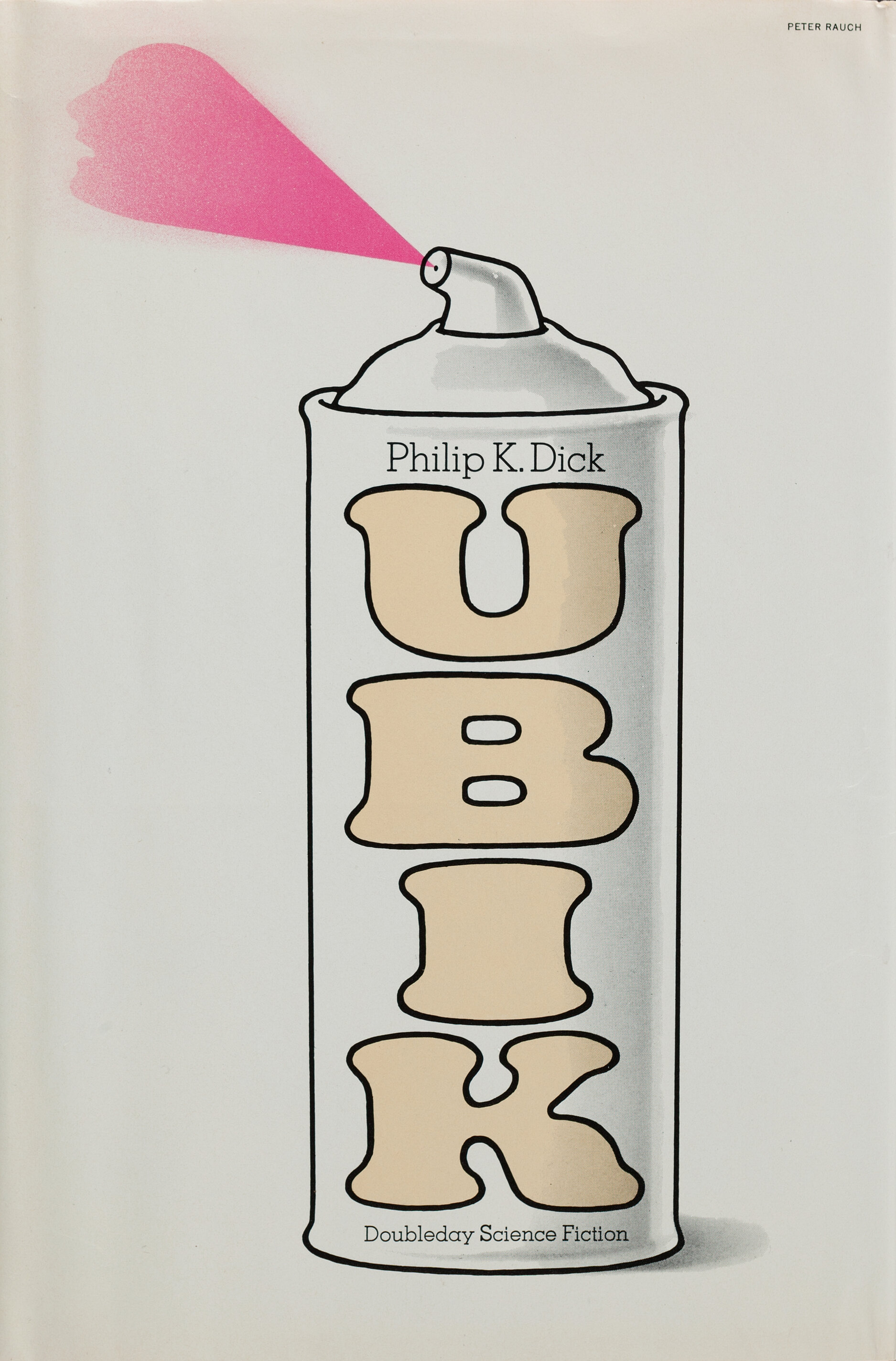
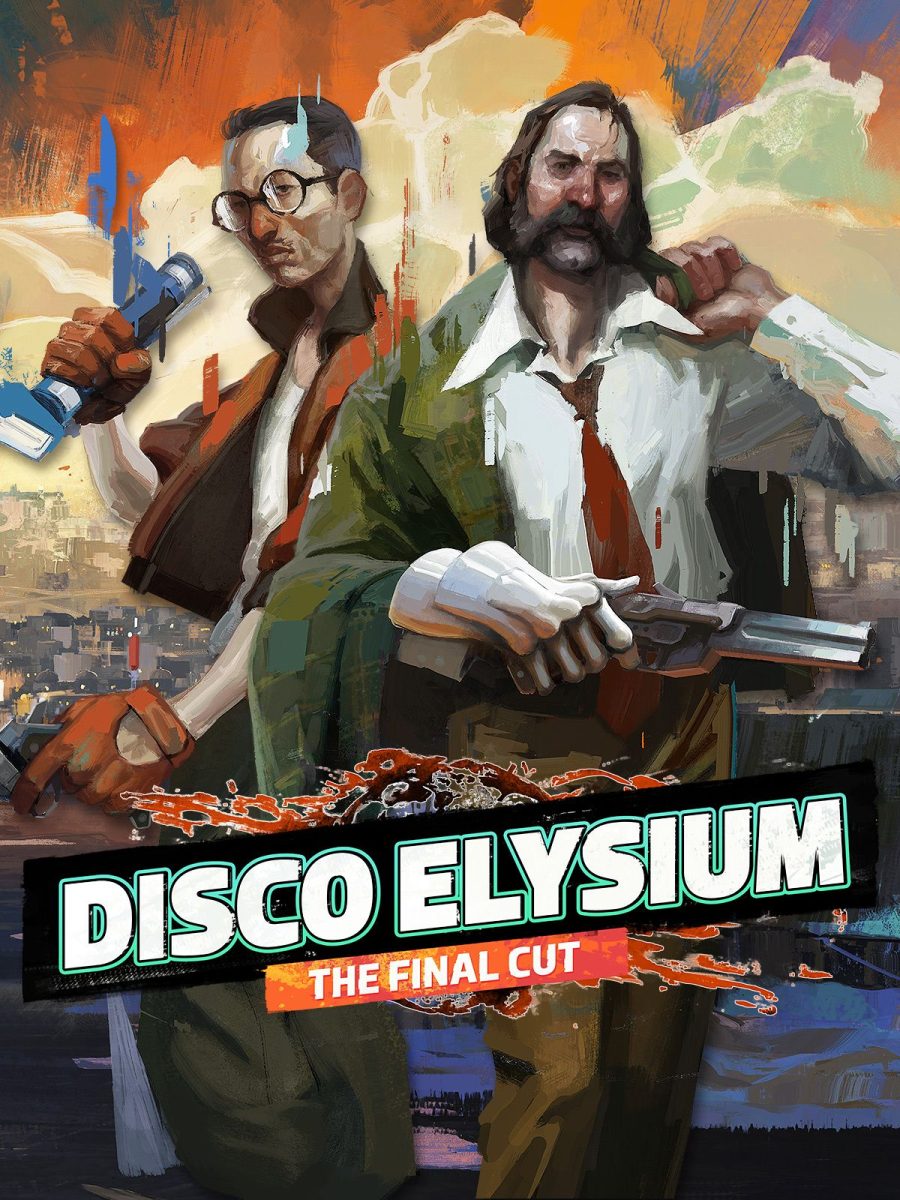
The majesty of this story is how well pulls it all together. She moves from story to world-building to dialogues about gender without interrupting the flow, without it feeling unnatural. There are books I read and think, “I could do that”, like ’s Ubik. I could plot it, write the prose, stick the landing, probably, maybe. Then there are works where I’m forced to admit the author had an ability completely beyond me. ’s Absalom, Absalom! is one. Disco Elysium is another. I Sexually Identify as an Attack Helicopter is a third: how weaves the three pieces together, how she achieves so much in under 8,000 words—given a million years, I couldn’t come close.
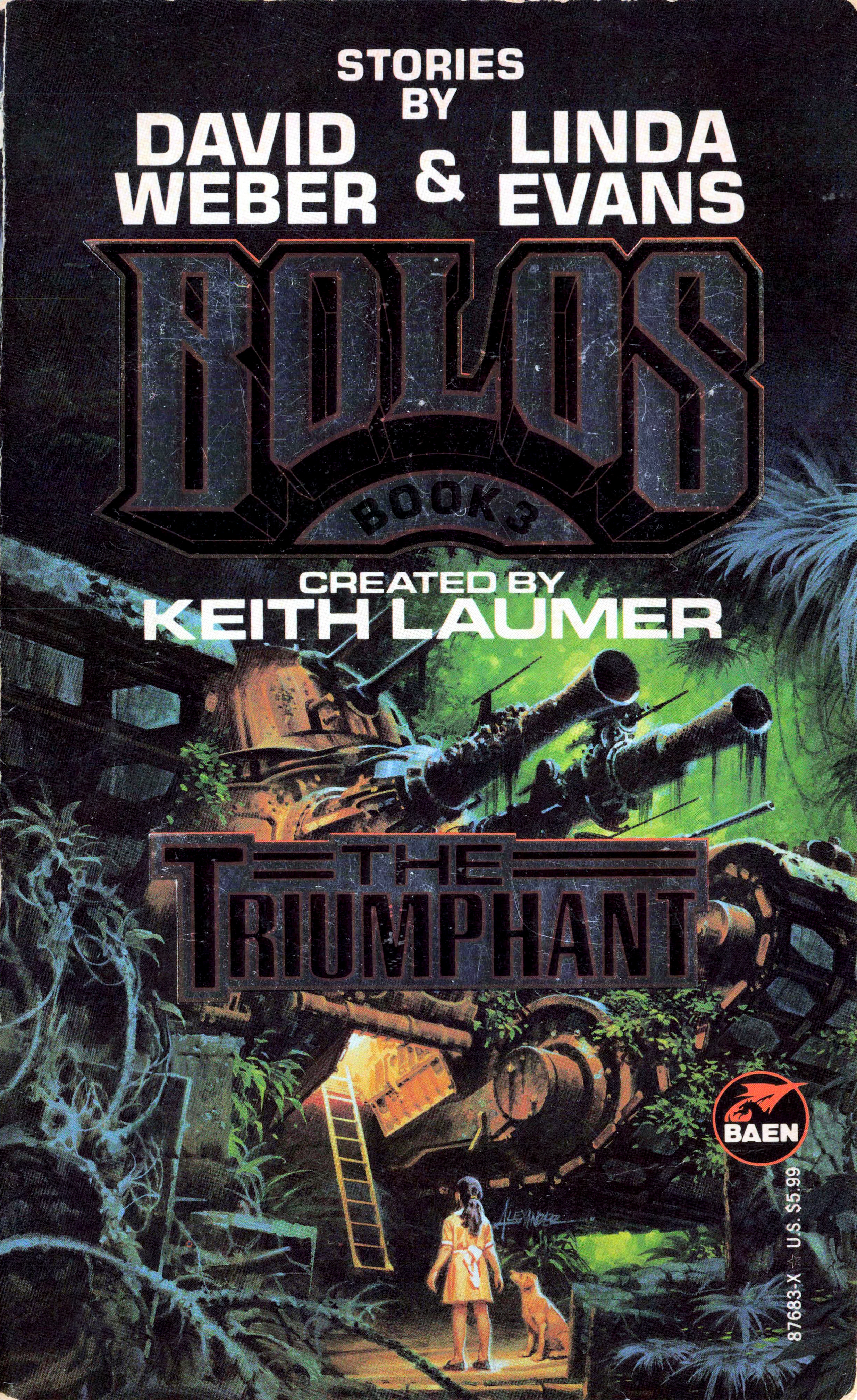
is also subverting a tradition in science fiction of softening machines by giving them female identities. Perhaps the most famous example is the computer from Star Trek. We also see it in the Bolo series: in Little Red Hen, a tank’s female identity makes it protect its crew but drives it insane when they die; in Miles to Go, a Bolo falls in love with her commander and dies for him. instead writes about a woman made into a machine, who trades her softness to be a hardened killer.
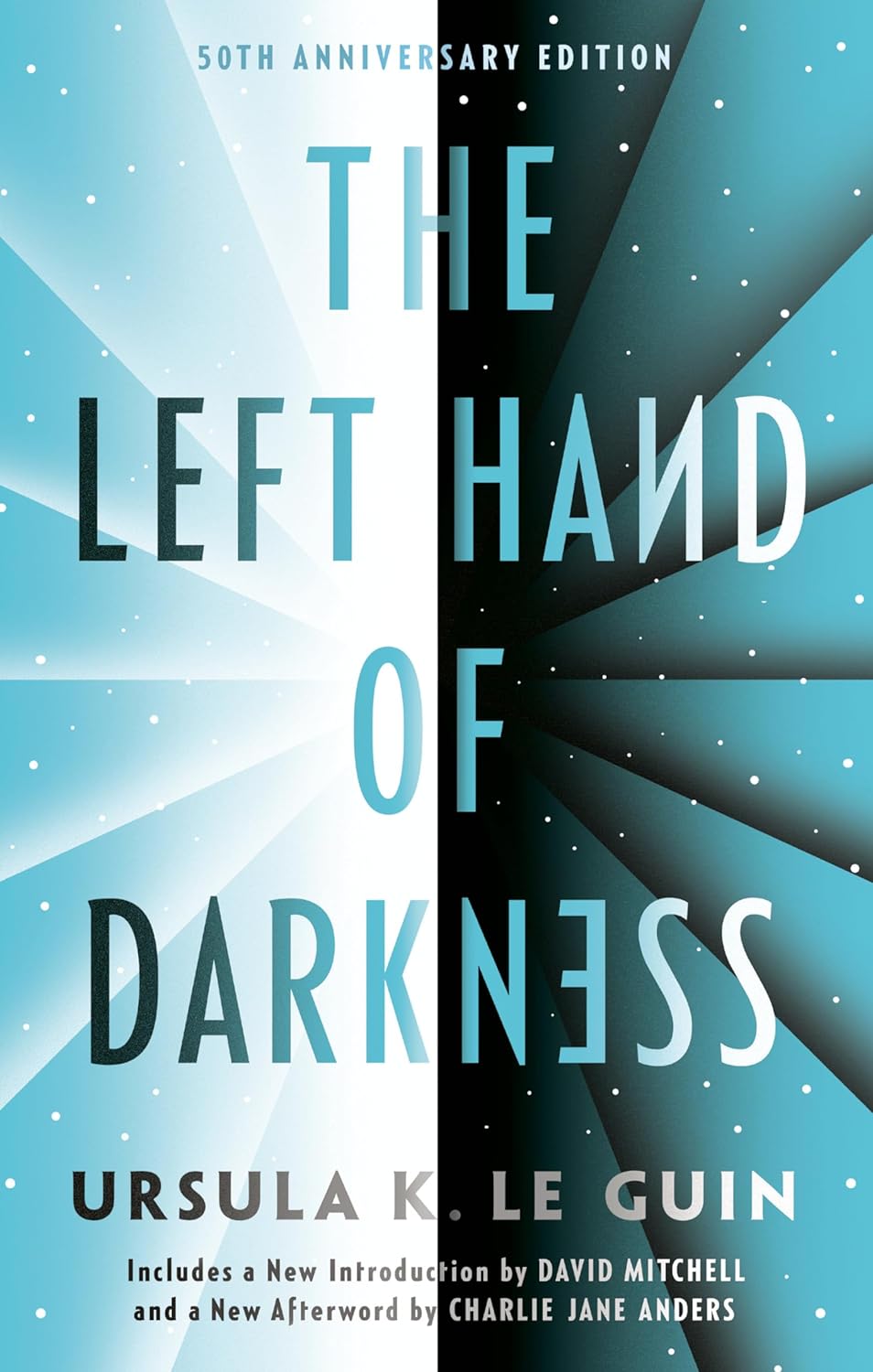
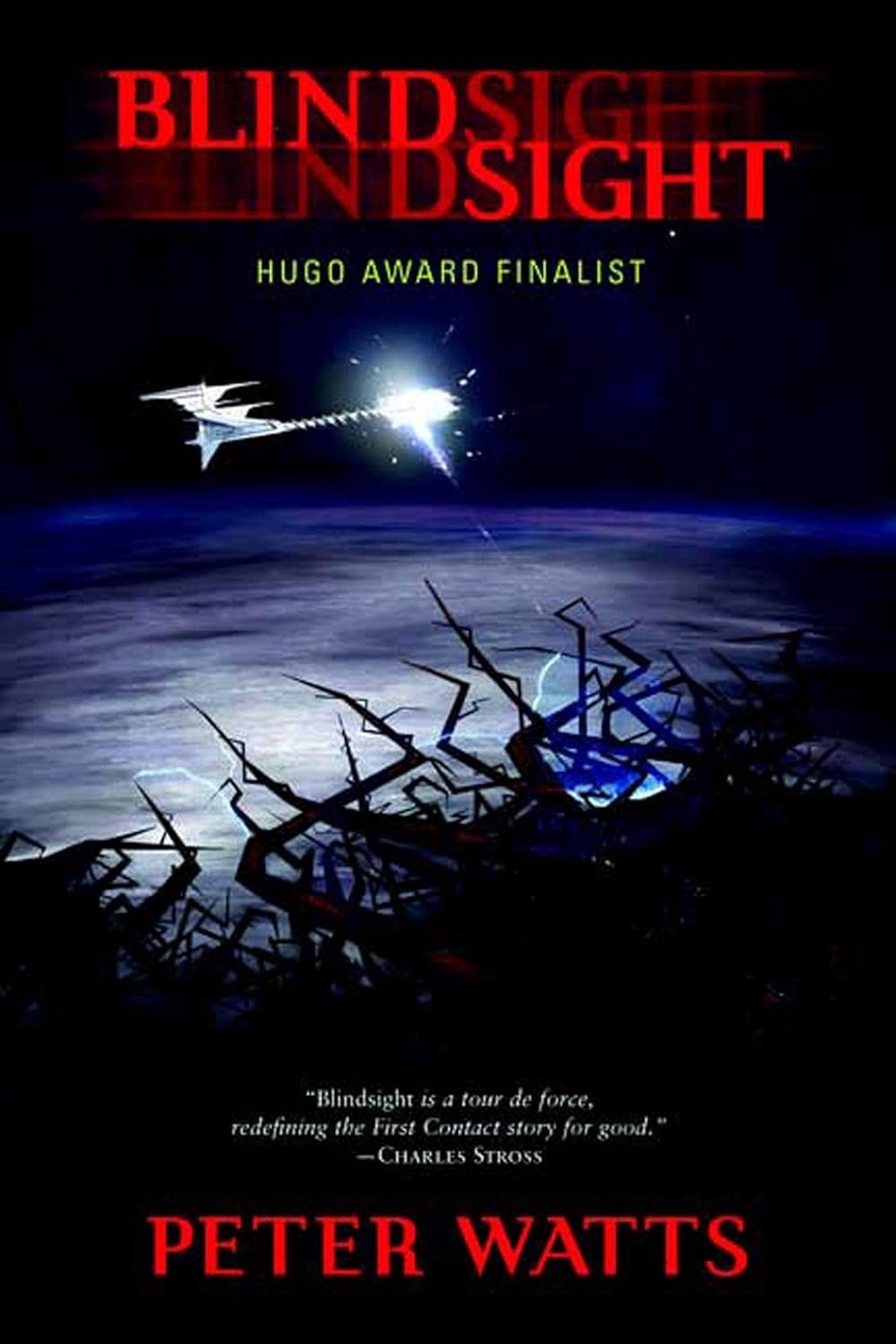
This story reminded me of a few other works. The focus on the spectrum of gender is similar to ’s The Left Hand of Darkness with its androgynous aliens. ’s story is sort of an inversion of ’s The Murderbot Diaries, in which a weapon wants to become more human. And modifying Barb’s fundamental nature to make her a better weapon echoes ’s Blindsight, where the crew of the Theseus has modified themselves to better perform their tasks in a transhuman world.
I Sexually Identify as an Attack Helicopter is one of the best stories I’ve read, an example of how science fiction can make us see our world and ourselves differently. I wish had the chance to write more.