Mona Lisa Overdrive View as Markdown Review ★ ★ ★ ★ ★
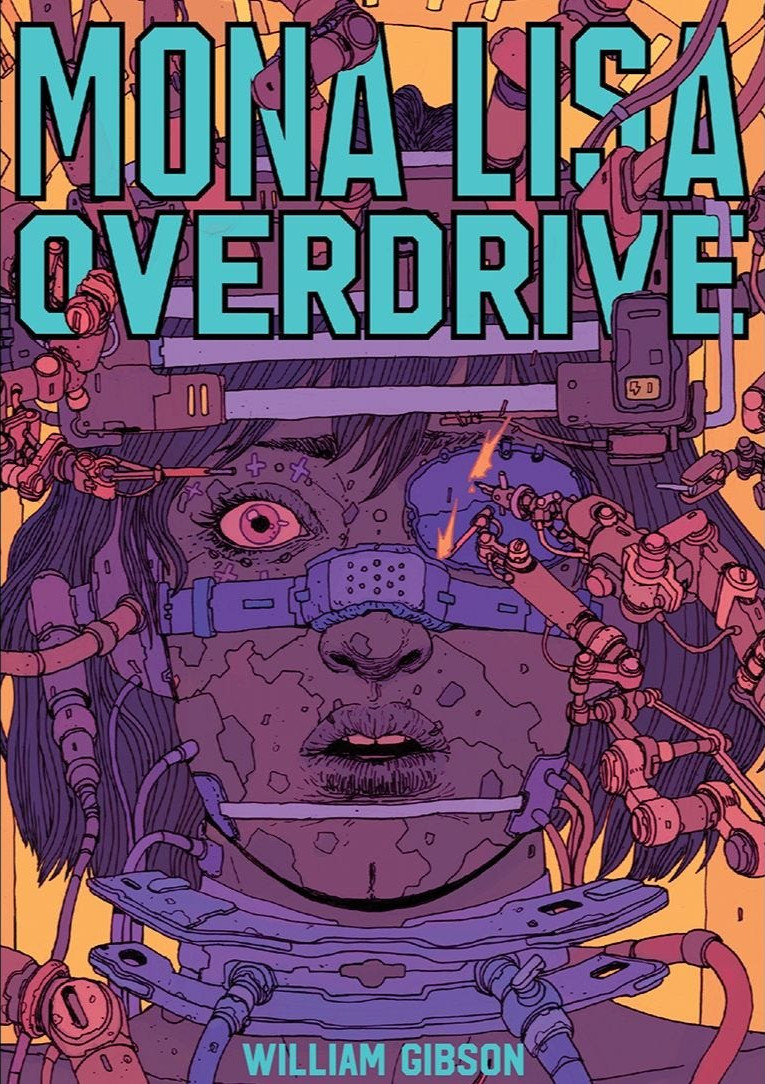
Mona Lisa Overdrive , by William Gibson , is the third and final book in the Sprawl series. It brings together characters from both previous books—Molly, Angela, Bobby, and the ghost of 3Jane—around a device that can hold the entirety of cyberspace, and maybe a human soul.
The first two books of the Sprawl Neuromancer Neuromancer by William Gibson ★ ★ ★ ★ ★ Sprawl #1Neuromancer , by William Gibson , is the first book in the Sprawl series, and one of the founding texts of cyberpunk. In it, Case, a hacker who can’t jack in anymore, and street samurai Molly Millions are hired by a mysterious ex-special forces agent to pull off a heist.Count Zero Count Zero by William Gibson ★ ★ ★ ★ ★ Sprawl #2Count Zero , by William Gibson , is the second book in the Sprawl series. It follows three strangers—a teenage hacker on his first run, a mercenary hired to extract a defecting scientist, and an art dealer tracking down mysterious boxes—as they’re pulled into a struggle between zaibatsus, the ultra-rich, and something stranger.Mona Lisa Overdrive would be. It could have been a third variation. Instead, it ties both together, capping off their storylines.
Bobby bridges the two most clearly. In Count Zero Count Zero by William Gibson ★ ★ ★ ★ ★ Sprawl #2Count Zero , by William Gibson , is the second book in the Sprawl series. It follows three strangers—a teenage hacker on his first run, a mercenary hired to extract a defecting scientist, and an art dealer tracking down mysterious boxes—as they’re pulled into a struggle between zaibatsus, the ultra-rich, and something stranger.Mona Lisa Overdrive , he becomes a mind fully in cyberspace, body left behind in a coma: exactly where Case was headed in the first book. Molly returns from Neuromancer Neuromancer by William Gibson ★ ★ ★ ★ ★ Sprawl #1Neuromancer , by William Gibson , is the first book in the Sprawl series, and one of the founding texts of cyberpunk. In it, Case, a hacker who can’t jack in anymore, and street samurai Molly Millions are hired by a mysterious ex-special forces agent to pull off a heist.Johnny Mnemonic Burning Chrome by William Gibson et al. ★ ★ ★ ★ ☆ Sprawl #0Burning Chrome is a collection of short stories by William Gibson . It features both solo and collaborative works, some of which are the earliest written stories in the Sprawl universe.Count Zero Count Zero by William Gibson ★ ★ ★ ★ ★ Sprawl #2Count Zero , by William Gibson , is the second book in the Sprawl series. It follows three strangers—a teenage hacker on his first run, a mercenary hired to extract a defecting scientist, and an art dealer tracking down mysterious boxes—as they’re pulled into a struggle between zaibatsus, the ultra-rich, and something stranger.Gibson brings these four threads together, and in doing so answers a question the trilogy set up from the beginning.
What Remains Each book in the Sprawl Neuromancer Neuromancer by William Gibson ★ ★ ★ ★ ★ Sprawl #1Neuromancer , by William Gibson , is the first book in the Sprawl series, and one of the founding texts of cyberpunk. In it, Case, a hacker who can’t jack in anymore, and street samurai Molly Millions are hired by a mysterious ex-special forces agent to pull off a heist.Count Zero Count Zero by William Gibson ★ ★ ★ ★ ★ Sprawl #2Count Zero , by William Gibson , is the second book in the Sprawl series. It follows three strangers—a teenage hacker on his first run, a mercenary hired to extract a defecting scientist, and an art dealer tracking down mysterious boxes—as they’re pulled into a struggle between zaibatsus, the ultra-rich, and something stranger.Mona Lisa Overdrive : what remains of you when your body is left behind? It synthesizes the other two: it’s about memory, or, fitting with the religious parallels, soul.
This theme starts in Neuromancer Neuromancer by William Gibson ★ ★ ★ ★ ★ Sprawl #1Neuromancer , by William Gibson , is the first book in the Sprawl series, and one of the founding texts of cyberpunk. In it, Case, a hacker who can’t jack in anymore, and street samurai Molly Millions are hired by a mysterious ex-special forces agent to pull off a heist.Mona Lisa Overdrive , memory is everywhere. The Finn is now a construct like Flatline, but mixed with the religion of Count Zero Count Zero by William Gibson ★ ★ ★ ★ ★ Sprawl #2Count Zero , by William Gibson , is the second book in the Sprawl series. It follows three strangers—a teenage hacker on his first run, a mercenary hired to extract a defecting scientist, and an art dealer tracking down mysterious boxes—as they’re pulled into a struggle between zaibatsus, the ultra-rich, and something stranger.Borges ’s The Aleph —to “catch their souls” and store them.
Complementing the theme of memory is gomi gomi . Slick’s factory sits in the New Jersey Solitude, a toxic dump; he takes pieces of that gomi and makes kinetic sculptures that help him retain his memory. In Neuromancer Neuromancer by William Gibson ★ ★ ★ ★ ★ Sprawl #1Neuromancer , by William Gibson , is the first book in the Sprawl series, and one of the founding texts of cyberpunk. In it, Case, a hacker who can’t jack in anymore, and street samurai Molly Millions are hired by a mysterious ex-special forces agent to pull off a heist.Count Zero Count Zero by William Gibson ★ ★ ★ ★ ★ Sprawl #2Count Zero , by William Gibson , is the second book in the Sprawl series. It follows three strangers—a teenage hacker on his first run, a mercenary hired to extract a defecting scientist, and an art dealer tracking down mysterious boxes—as they’re pulled into a struggle between zaibatsus, the ultra-rich, and something stranger.Mona Lisa Overdrive 3Jane has gone from physical to virtual: cramming the entire world into the Aleph.
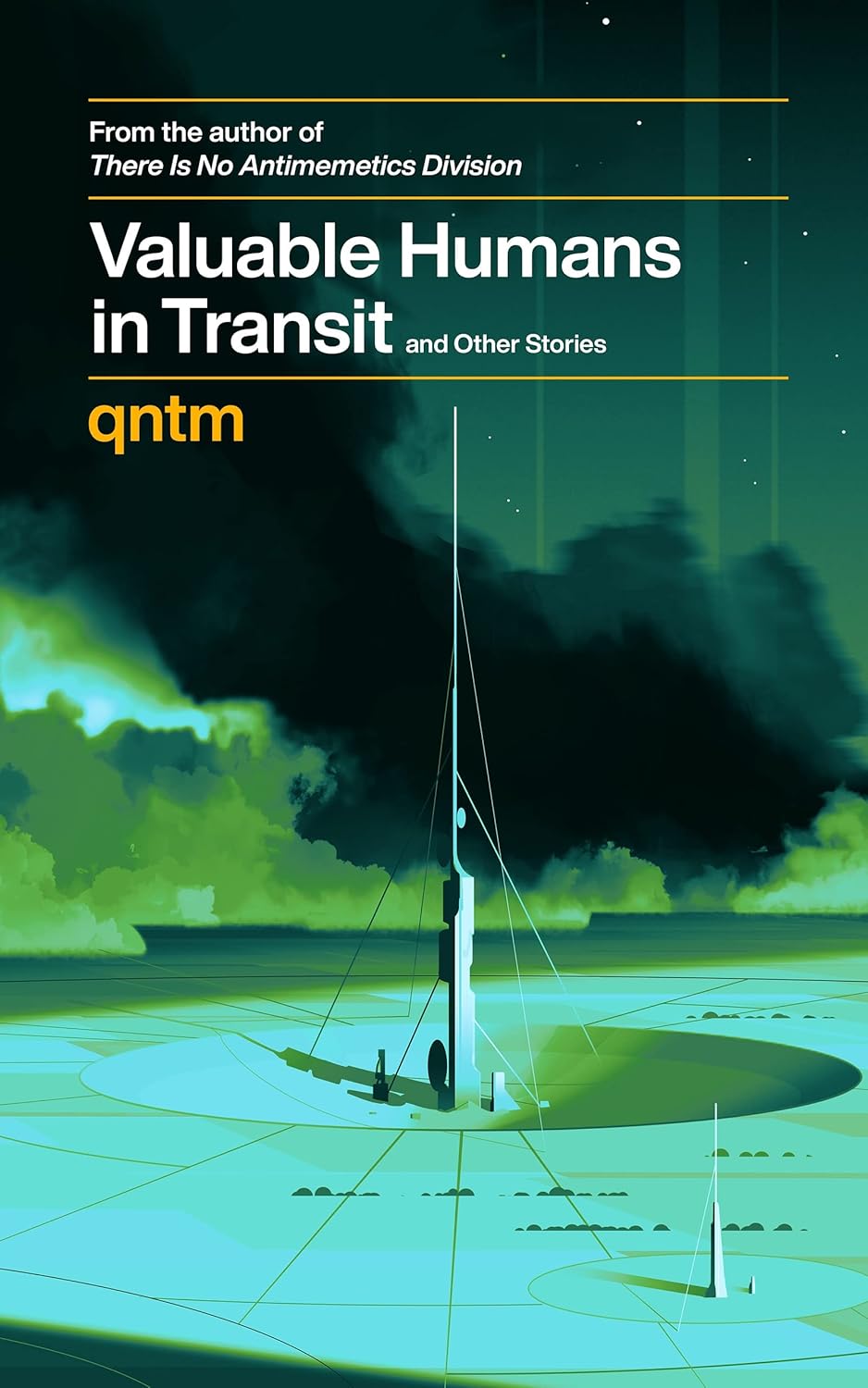
Influences Throughout the Sprawl Gibson has explored the separation of body and mind, and which part—if any—is really you. In his work, some copies are real—Bobby and Angela in the Aleph, Linda in Neuromancer—while others are tools made of souls: Flatline, the Finn, the Yakuza cubes. The difference is memory. Bobby can remember; the tools have no continuity. That question is common in sci-fi: Banks Surface Detail Surface Detail by Iain M. Banks ★ ★ ★ ★ ★ Culture #9Surface Detail , by Iain M. Banks , is the ninth book in the Culture series. It follows Lededje Y’breq as she seeks revenge for her own murder, set against the backdrop of a galactic conflict over virtual hells.Look to Windward Look to Windward by Iain M. Banks ★ ★ ★ ★ ★ Culture #7Look to Windward , by Iain M. Banks , is the seventh book in the Culture series. It explores the aftermath of the Idiran–Culture War and Chelgrian civil war.Simmons ’sHyperion Hyperion by Dan Simmons ★ ★ ★ ★ ★ Hyperion Cantos #1Hyperion is Dan Simmons ’s masterpiece. It is the first book in his Hyperion Cantos . It follows seven pilgrims as they travel to the Time Tombs on Hyperion to petition the Shrike. Along the way, each tells their own story, weaving together history, myth, and prophecy to tell of the impending downfall of man.Stross ’sAccelerando Accelerando by Charles Stross ★ ★ ☆ ☆ ☆ Accelerando , by Charles Stross , is a hard sci-fi fix-up novel. Originally published as 9 separate stories, it follows 3 generations of the Macx family as they upload, fork, merge, and scatter across a solar system slowly being converted into computronium.Rajaniemi ’sJean le Flambeur Taylor ’sBobiverse qntm Lena Valuable Humans in Transit and Other Stories by qntm ★ ★ ★ ☆ ☆ Valuable Humans in Transit and Other Stories is a collection of short stories by qntm .Driver Valuable Humans in Transit and Other Stories by qntm ★ ★ ★ ☆ ☆ Valuable Humans in Transit and Other Stories is a collection of short stories by qntm .
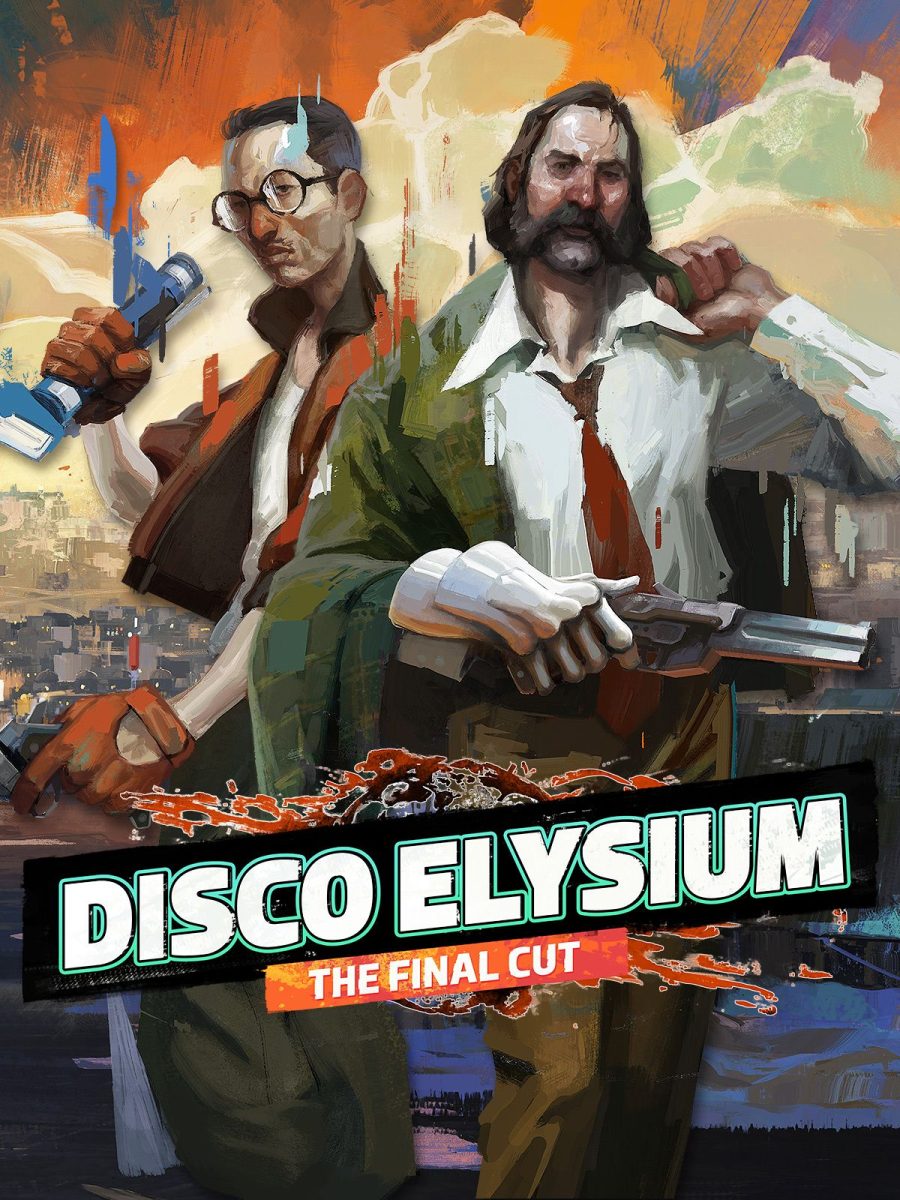
Mona Lisa Overdrive reminded me of many other works. The Aleph is like an inversion of The Matrix : the entire world virtualized, but for Bobby it’s an escape instead of the prison it is for Neo. The way history has a physicality in layers of gomi is similar to how the weight of history is represented by the pale in Disco Elysium Disco Elysium by Robert Kurvitz et al. ★ ★ ★ ★ ★ Elysium #2Disco Elysium , written by Robert Kurvitz et al. , is a role-playing game produced by ZA/UM. It’s the story of Harrier “Harry” Du Bois, a man who wakes up with no memories and has to solve a murder while learning who he is.Colossus: The Forbin Project (based on Jones ’s Colossus ). 3Jane’s scheme executing autonomously after her death is like the self-directed corporations in Stross ’sAccelerando Accelerando by Charles Stross ★ ★ ☆ ☆ ☆ Accelerando , by Charles Stross , is a hard sci-fi fix-up novel. Originally published as 9 separate stories, it follows 3 generations of the Macx family as they upload, fork, merge, and scatter across a solar system slowly being converted into computronium.
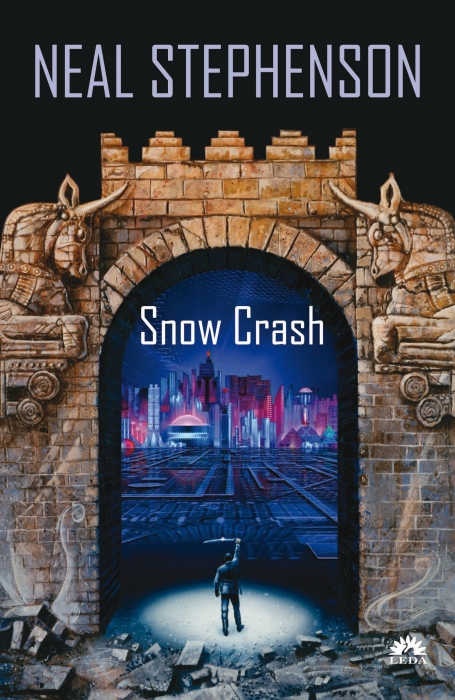
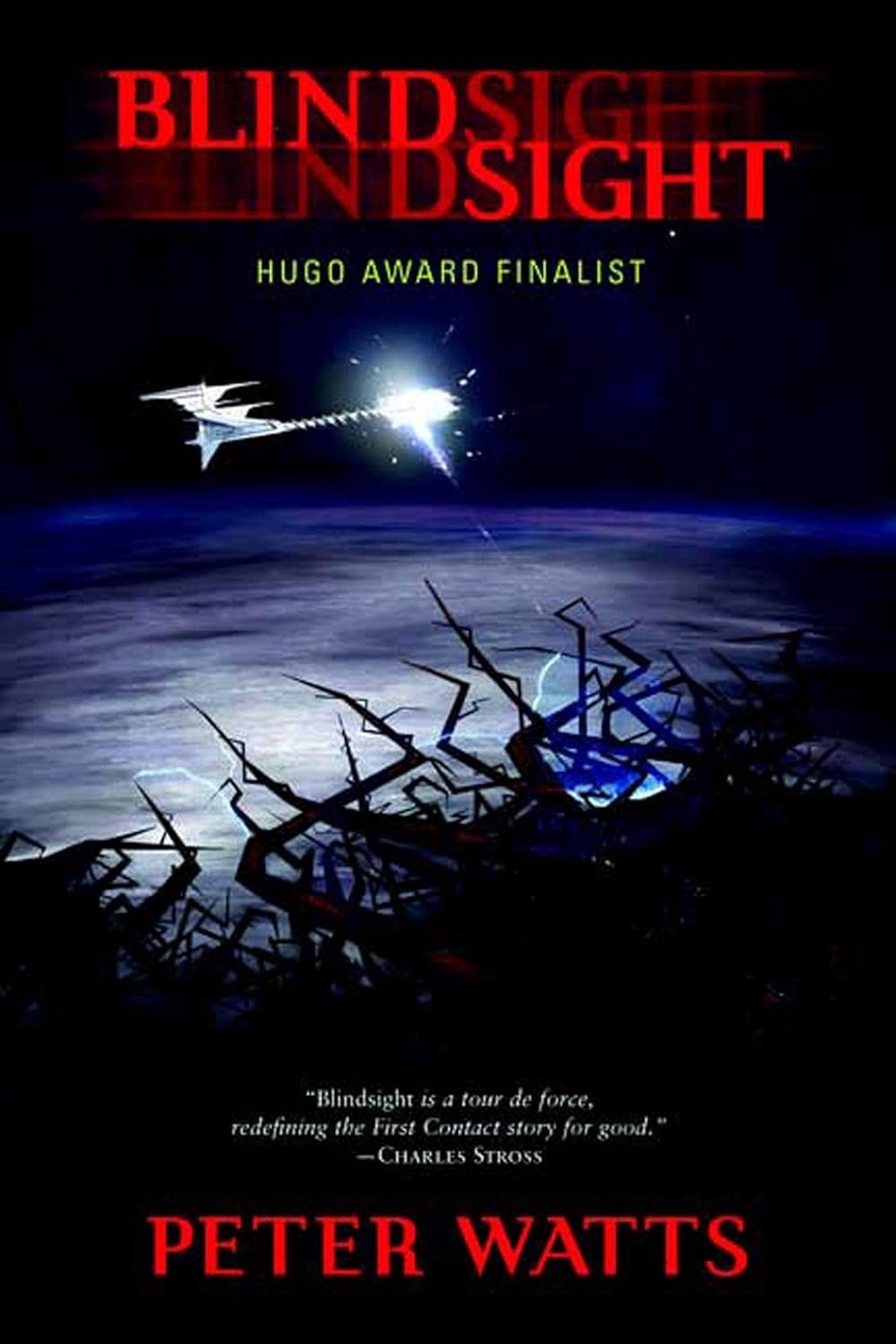
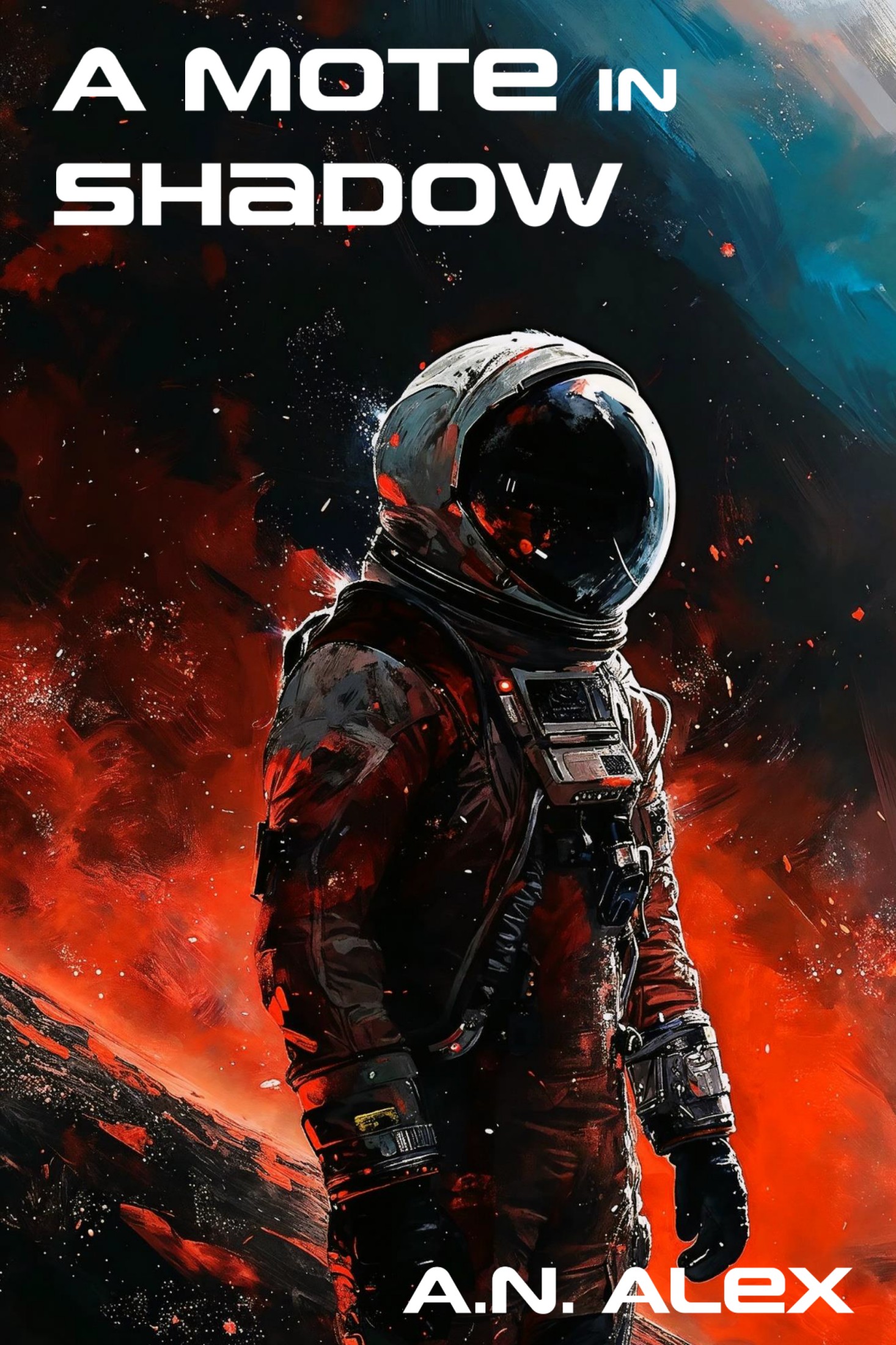
The details are familiar too: the Gentleman Loser bar where hackers hang out reminds me of the Black Sun in Stephenson ’sSnow Crash Snow Crash by Neal Stephenson ★ ★ ★ ★ ☆ Snow Crash , by Neal Stephenson , is a satirical cyberpunk novel set in a near-future America where the federal government has collapsed and everything—pizza, religion, neighborhoods, national defense—is run by competing franchises. It follows Hiro Protagonist, a hacker and pizza delivery driver, and Y.T. , a teenage skateboard courier, as they uncover a conspiracy to reprogram the human mind.Watts ’sBlindsight Blindsight by Peter Watts ★ ★ ★ ★ ★ Firefall #1Blindsight is a hard sci-fi novel about first contact with aliens in the near future. A crew of four transhumans and a vampire are sent on a spaceship to investigate an anomaly in the solar system after a swarm of alien probes scan Earth.Cline ’s Ready Player One . The jive hand signs are similar to the pronoun waves in Alex ’sA Mote in Shadow A Mote in Shadow by A. N. Alex ★ ★ ★ ★ ★ A Mote in Shadow is A. N. Alex ’s debut novel. It follows two down-on-their-luck outsiders dragged into a war between shadowy mercenary groups: exobiologist Chaeyoung No, whose disagreement with the scientific establishment leaves her in no position to question a too-good-to-be-true offer to fund her research expedition; and space hauler Frederik Obialo, who is more than willing to take a dangerous job if it brings him closer to his dream of giving his daughter a permanent home.
Gibson does an amazing thing with the Sprawl Neuromancer Neuromancer by William Gibson ★ ★ ★ ★ ★ Sprawl #1Neuromancer , by William Gibson , is the first book in the Sprawl series, and one of the founding texts of cyberpunk. In it, Case, a hacker who can’t jack in anymore, and street samurai Molly Millions are hired by a mysterious ex-special forces agent to pull off a heist.Snow Crash Snow Crash by Neal Stephenson ★ ★ ★ ★ ☆ Snow Crash , by Neal Stephenson , is a satirical cyberpunk novel set in a near-future America where the federal government has collapsed and everything—pizza, religion, neighborhoods, national defense—is run by competing franchises. It follows Hiro Protagonist, a hacker and pizza delivery driver, and Y.T. , a teenage skateboard courier, as they uncover a conspiracy to reprogram the human mind.Burning Chrome Burning Chrome by William Gibson et al. ★ ★ ★ ★ ☆ Sprawl #0Burning Chrome is a collection of short stories by William Gibson . It features both solo and collaborative works, some of which are the earliest written stories in the Sprawl universe.Sprawl