Accelerando
View as Markdown
Review
Accelerando, by , is a hard sci-fi fix-up novel. Originally published as 9 separate stories, it follows 3 generations of the Macx family as they upload, fork, merge, and scatter across a solar system slowly being converted into computronium.
Accelerando is about time and how fast change can come, but it is also a book solidly frozen in time. It was written from a corner of the geek internet that only existed from 2000–2005 on small forums and on Slashdot. It marks itself as such with shibboleths like IP rights, music piracy, Bill Gates and Microsoft. At the time, Accelerando must have seemed like an eminently possible future, but the smartphone and cloud computing a few years later blew it away. Now it reads more like an alternate history of a technological ideal that never came to pass.
The most interesting part of the book is how little it focuses on what we would consider “technology”—lasers and spaceships and computers and AIs—and how much it focuses on the legal technology that powers civilization. predicts contracts as code, algorithmic law and the loopholes it opens. He sees evolution as a way to produce the next layer of life, things that look much less like humans and much more like corporations. It’s a perfect fit for its 2005 techno-libertarian roots, the same era that birthed Wikipedia and Creative Commons, which used the protections of legal code to expand the rights of users rather than restrict them.
is fascinated with what constitutes the self. Manfred slowly bleeds his “self” into his glasses and external memories until by the third chapter, they are more Manfred than he is. When a thief steals them, the thief becomes Manfred while the real human struggles to remember who he is. Lobsters are digitized and conscious;1 Aineko isn’t until she obviously is. People fork copies of themselves, spinning off agents to research ideas and report back. Given his interests two decades ago, it is curious how blasé is about modern LLMs, which are the closest we’ve gotten to creating a mind outside a human, and which almost exactly parallel the agents he envisioned.
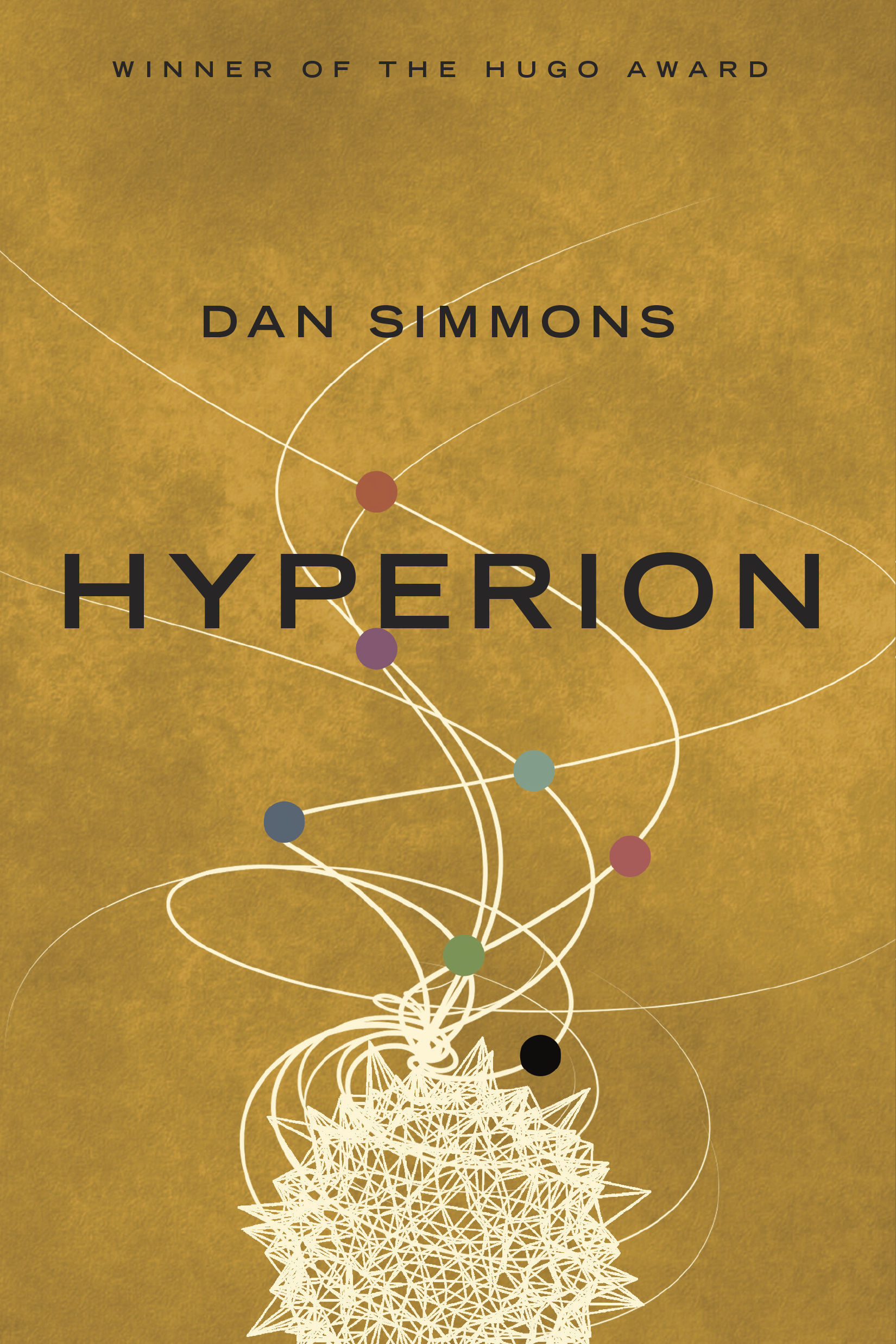
Accelerando, to my surprise, is a close successor to ’s Hyperion Cantos, even though is writing pure space opera and is writing hard sci-fi. Both works’ primary theme is the rise of a new order, led by machine intelligences humans built, as they displace their creators. Both look at how this transition affects the structures of society—religion, law, government. And there are smaller similarities as well: houses connected by wormholes, simulated historical figures used to better understand humanity, and the Omega Point—Teilhard de Chardin’s vision of consciousness evolving toward transcendence appears explicitly in Hyperion and Accelerando, where the singularity serves the same theological function. But ’s work combines beautiful prose and intertextuality to create a timeless masterpiece, while ’s book already feels dated.
In the end, I just didn’t enjoy Accelerando. As a fix-up, the stories don’t really come together into a whole; each feels disconnected, so there is no real payoff. ’s goal was to write a book set in the singularity, something said was impossible. But he failed. Accelerando isn’t really set in the singularity; it’s sampling the singularity at 9 different points, but each point is static. And finally, for a book about how fast things move, it’s stuck in the past, reading now more like retrofuturism. I would have loved it in 2005.
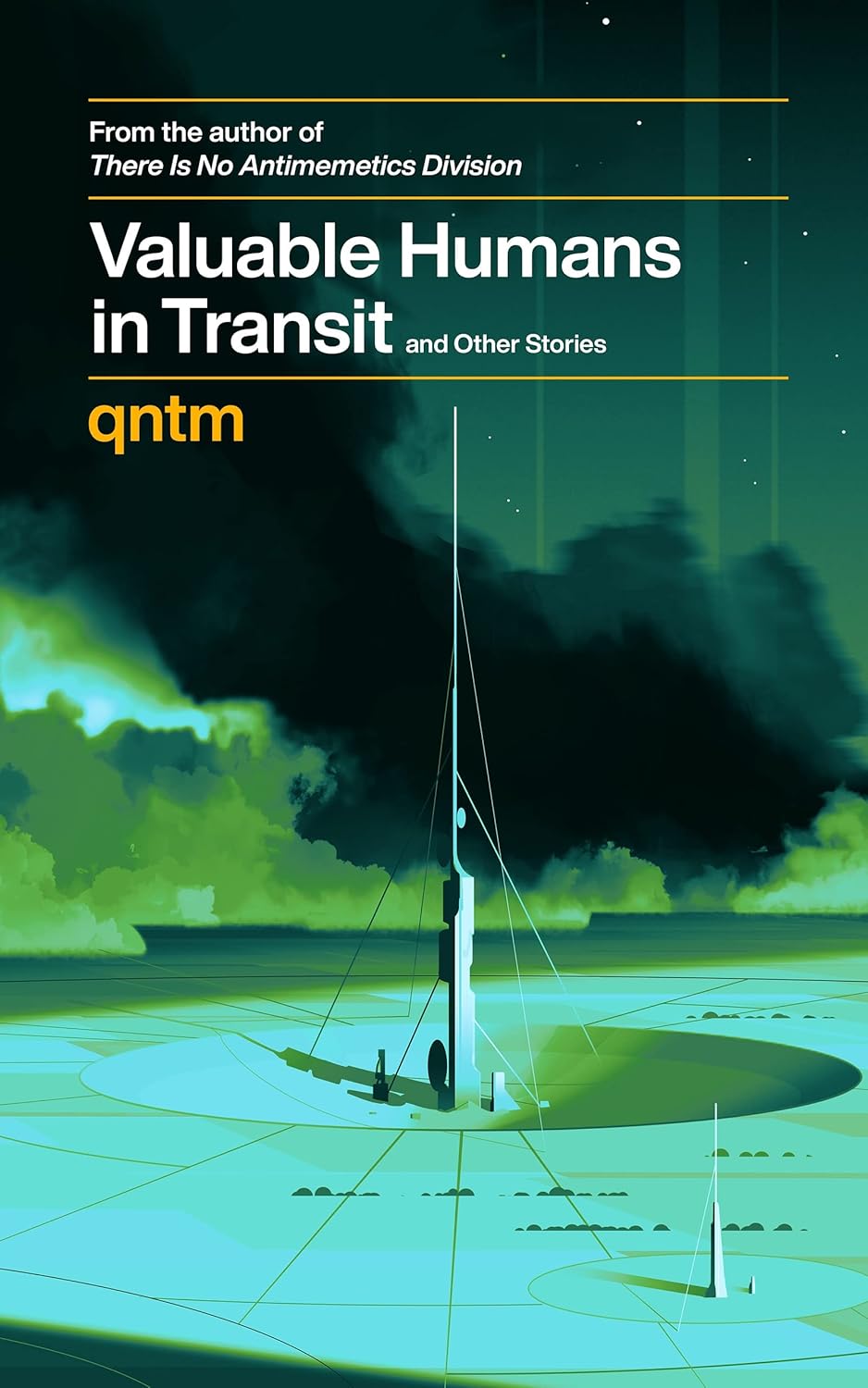
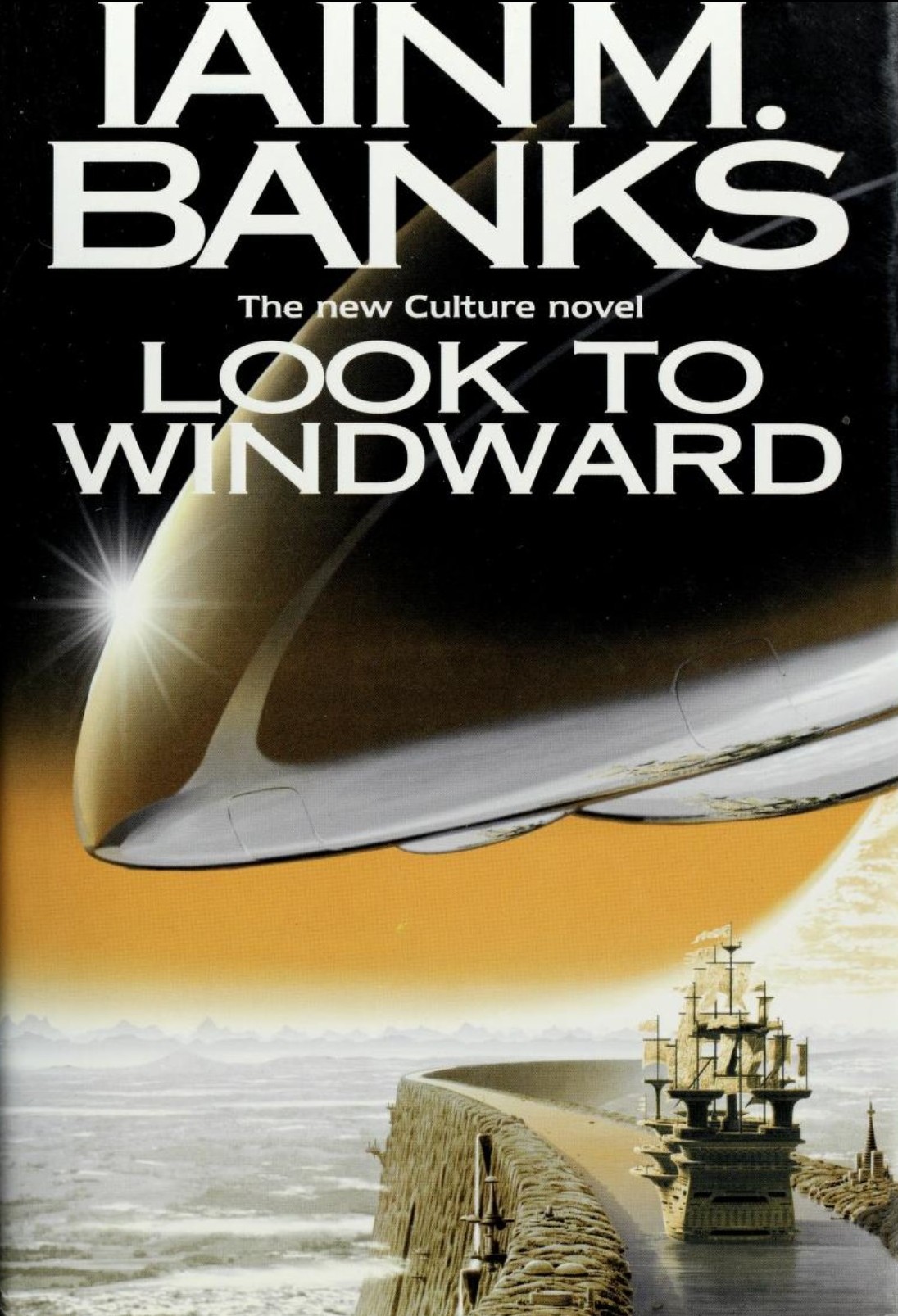
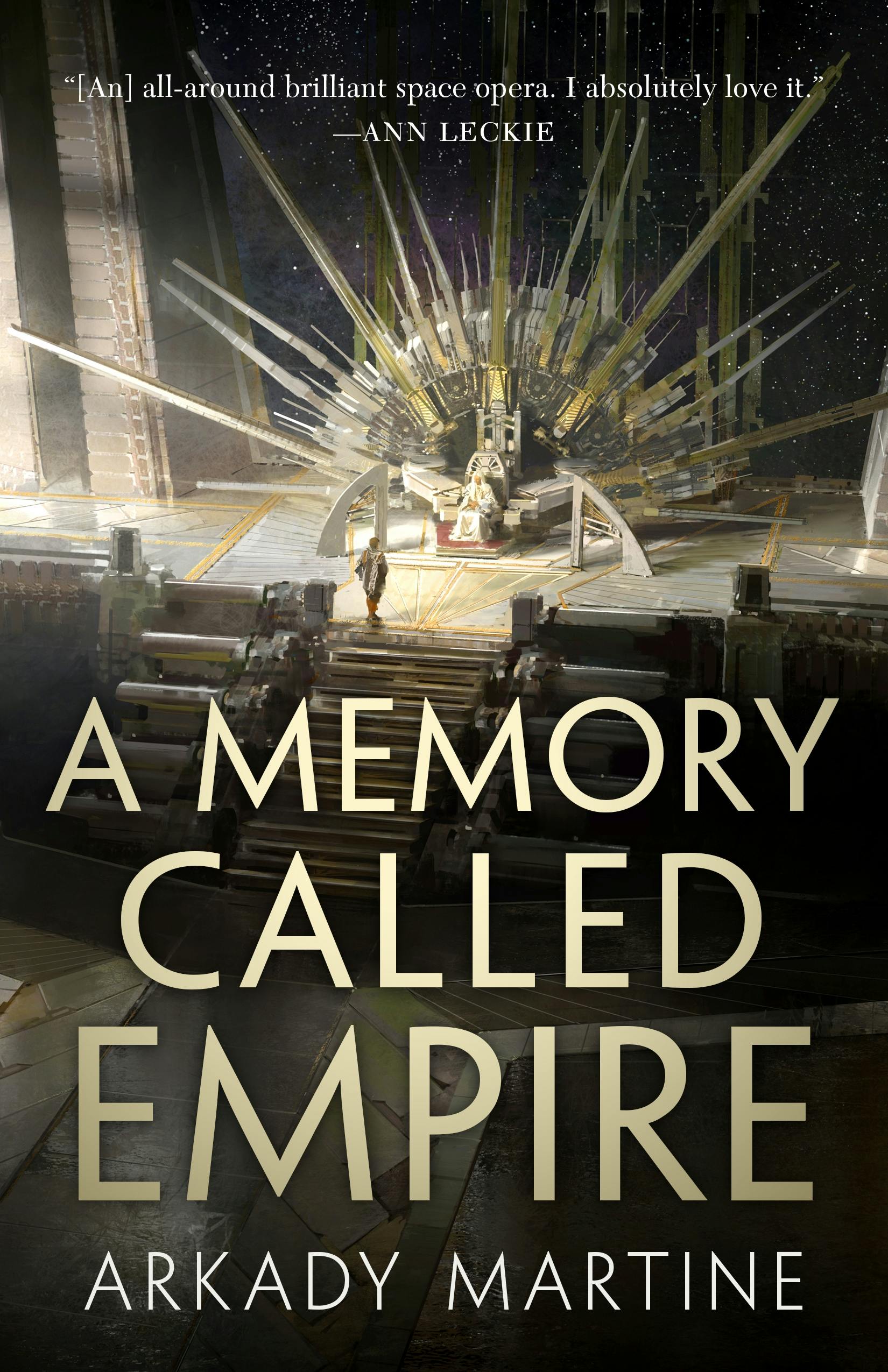
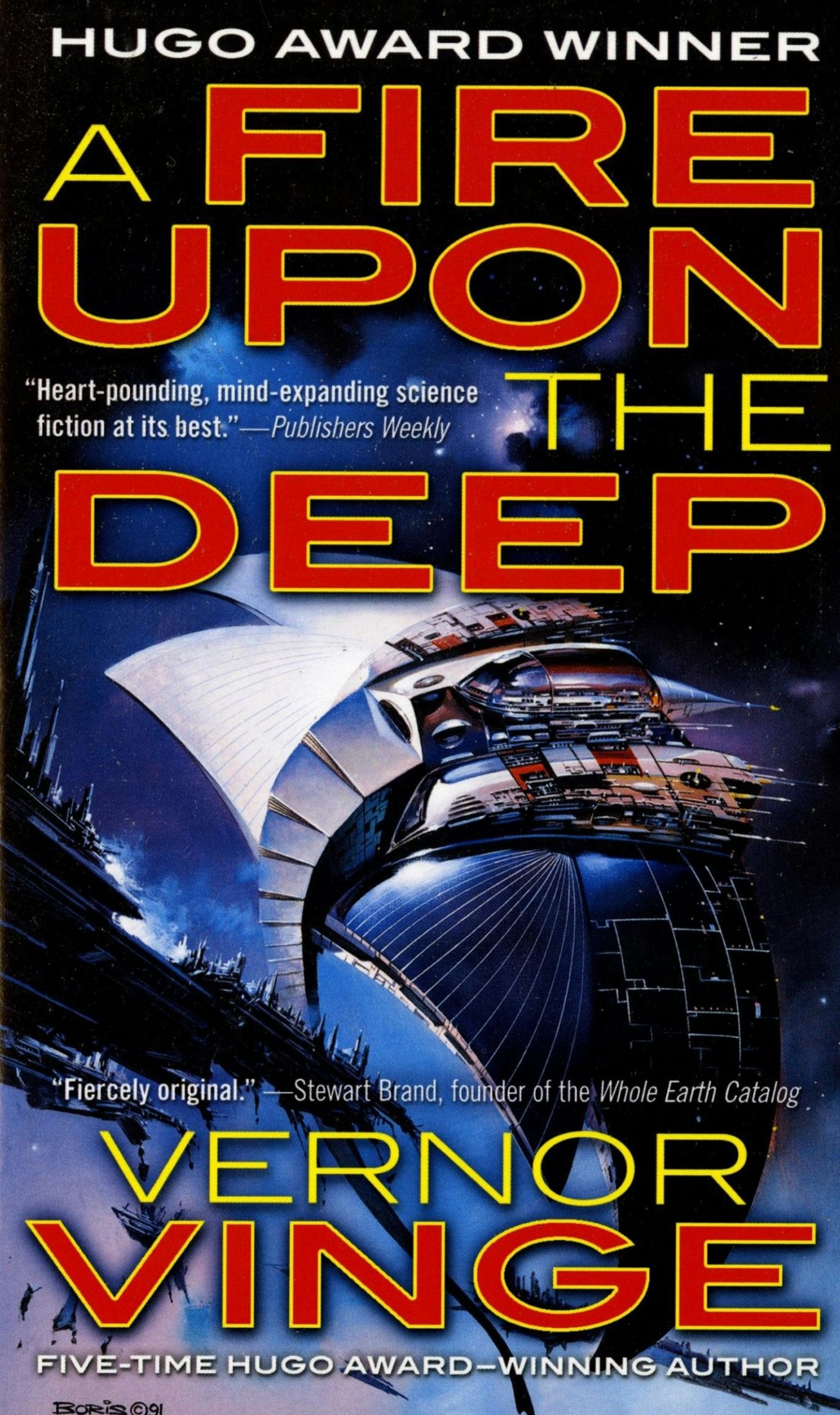
Accelerando reminded me of many other books. Its closest cousin is ’s Jean le Flambeur series: both are set in post-human solar systems obsessed with identity, memory, and what makes “you” when minds can be copied and edited; both feature cryptographic control over who remembers what. The identity questions also echo ’s Firefall, which explores the many configurations a mind can take, and ’s Lena, which follows the ethics of uploading to their bleak conclusion. Pierre deleting his backups before committing suicide to make his death permanent is the same choice Masaq’ Orbital makes in ’s Look to Windward. The dead in the final chapter, snapshots run forward from a fixed point for each conversation, are like the half-life state in ’s Ubik. The Saturn festival feels lifted from ’s own Eschaton series, where a traveling singularity disrupts every society it touches. ’s A Memory Called Empire shares the same interest in how societies structure themselves and who belongs. And ’s Zones of Thought looms over everything, with the sentient network packets as a direct nod to A Fire Upon The Deep.

Accelerando sat on my shelf for 20 years, and I was excited to finally get to it. I love ’s A Colder War—bureaucrats versus cosmic horrors is one of my favorite subgenres—and I enjoyed his Eschaton series: Singularity Sky and Iron Sunrise. But I think I waited too long. The world isn’t the same place it was when this was written, and I’m not the same person either.
-
I appreciate the irony that it is the lobsters, apocryphally unable to sense the water boiling around them, who are the first to realize the need to escape the coming singularity. ↩