Ubik
View as Markdown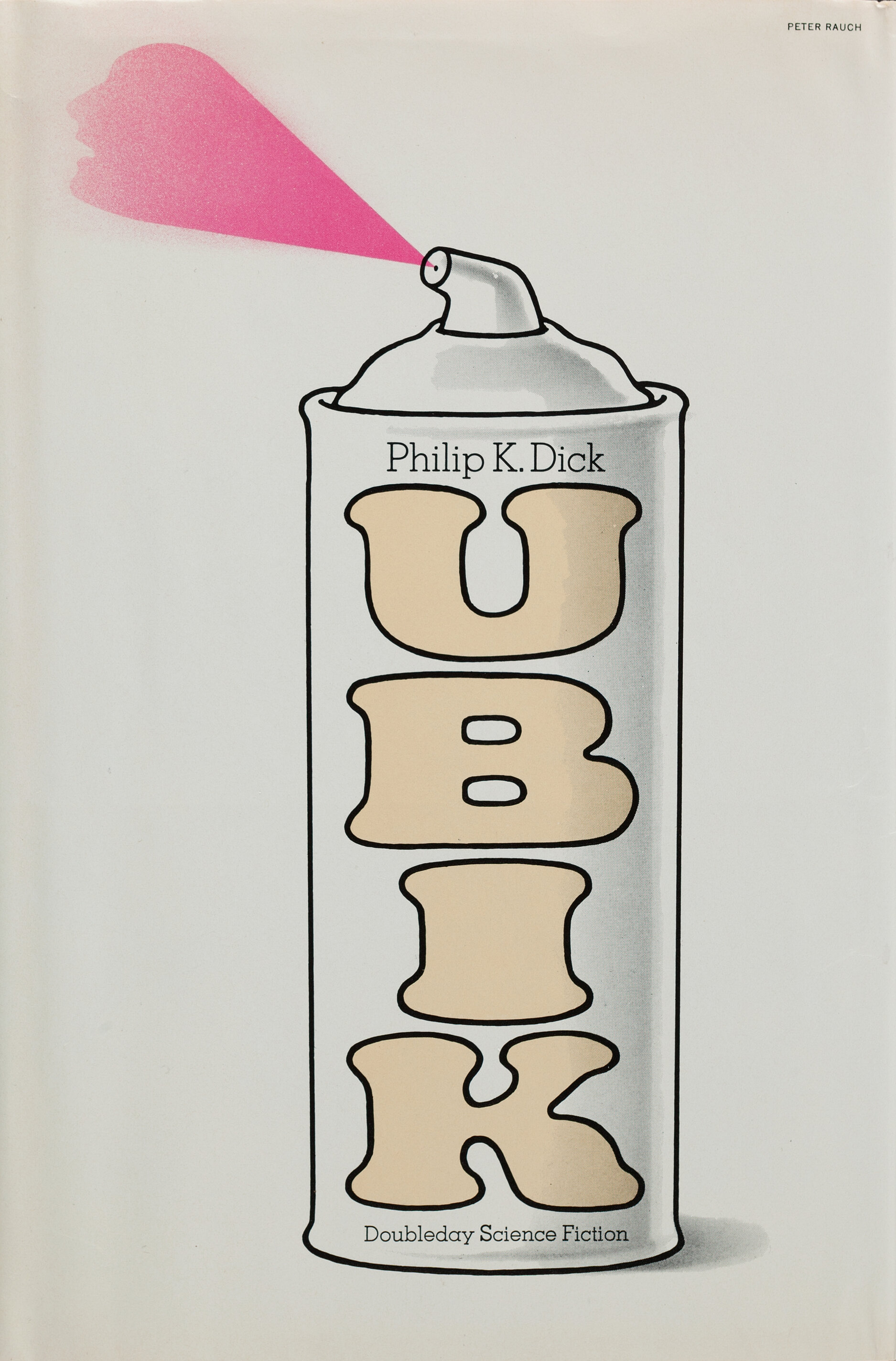
Review
Ubik, by , is a 1969 science fiction novel about a prudence organization that hires out anti-psis and anti-precogs to protect people’s and corporations’ privacy. Everything begins to fall apart when they’re lured into a too-good-to-be-true job where their boss is murdered. Suddenly, reality starts deteriorating, with objects reverting to older versions, and the characters start dying one by one.
Twenty-five years ago, I read my first book: A Maze of Death. I can’t remember where I found it. If I had to guess, it was one of the books left in my family’s run-down Adirondack cabin, probably by someone who didn’t mind parting with it. I got halfway through and put it back for some other bored traveler. I hated it. The ensemble cast was flat, disposable. I didn’t care about them getting picked off -style. The mystery hooked me, but then it collapsed as we learned nothing was actually real. The prose just barely told you what was happening. ’s ideas were wild, but they couldn’t make up for the lack of characters, story, and prose.
A few weeks ago, I decided to read Ubik. I wanted to give another shot. He’s a titan of Hollywood sci-fi, and with 25 more years of life experience and hundreds more books read, I thought I was finally ready to appreciate him. Instead, I found myself reading almost the exact same book I’d hated before: another ensemble cast of disposable characters being killed off one by one, another reality that wasn’t real, another ending where they’re all stuck in pods.
Once again packs a million great ideas into his world: the nickel-and-diming of daily life where your coffeemaker, TV, and door all demand payment and negotiate fees; half-life mortuaries where loved ones offer advice after their bodies have died; telepaths used for corporate espionage; newspapers printed fresh and tailored to each reader; a legal system where you can murder your wife if a precog says she would never grant a divorce. But just like A Maze of Death, his wonderful ideas can’t prop up the lack of characters, story, and prose. I think suffers from the same malady as or The Beatles: he is so widely copied that a new reader finds his work trite. But had beautiful writing and characters, and The Beatles catchy lyrics. has only his ideas, and they don’t hit as hard the hundredth time you see them.
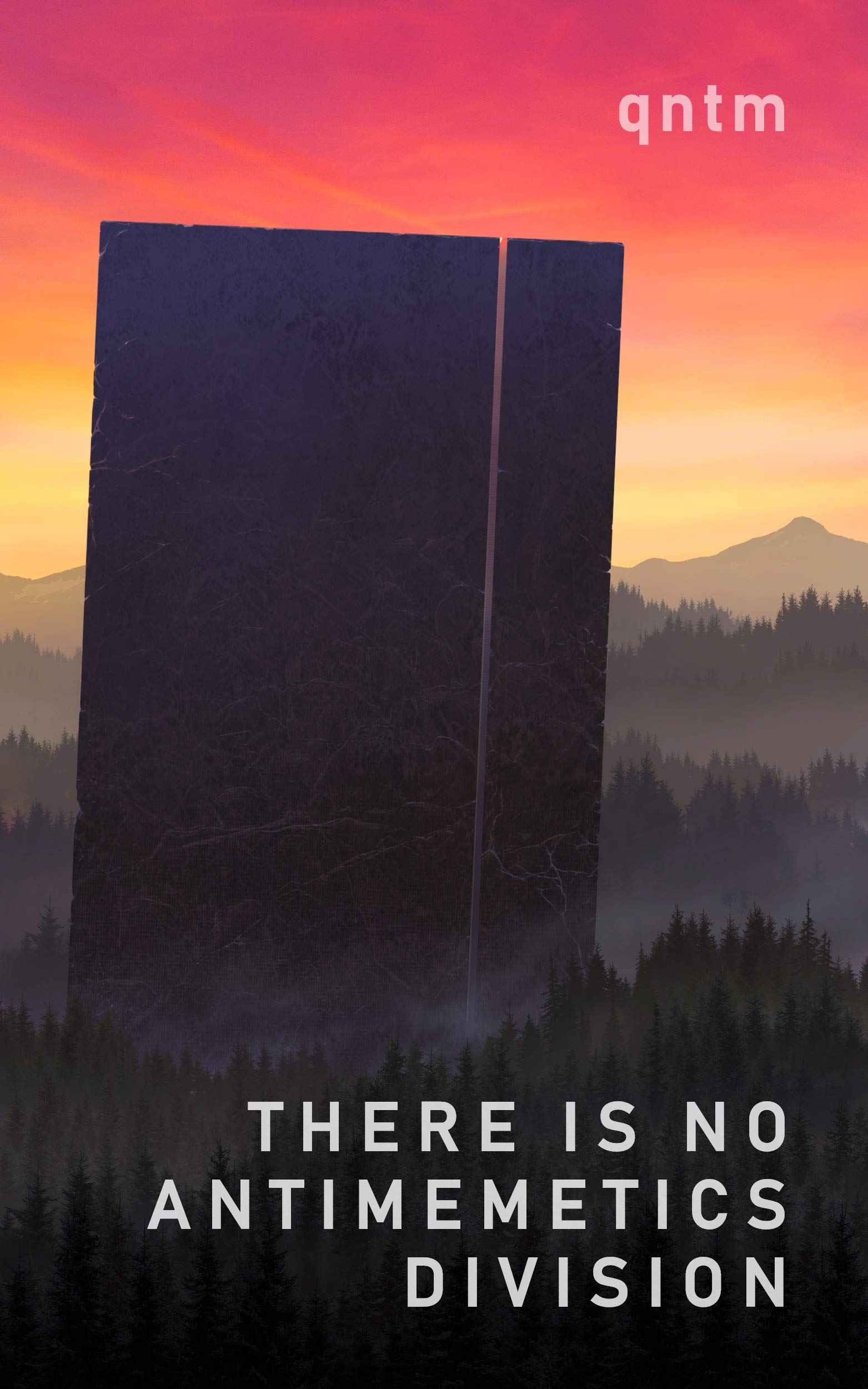
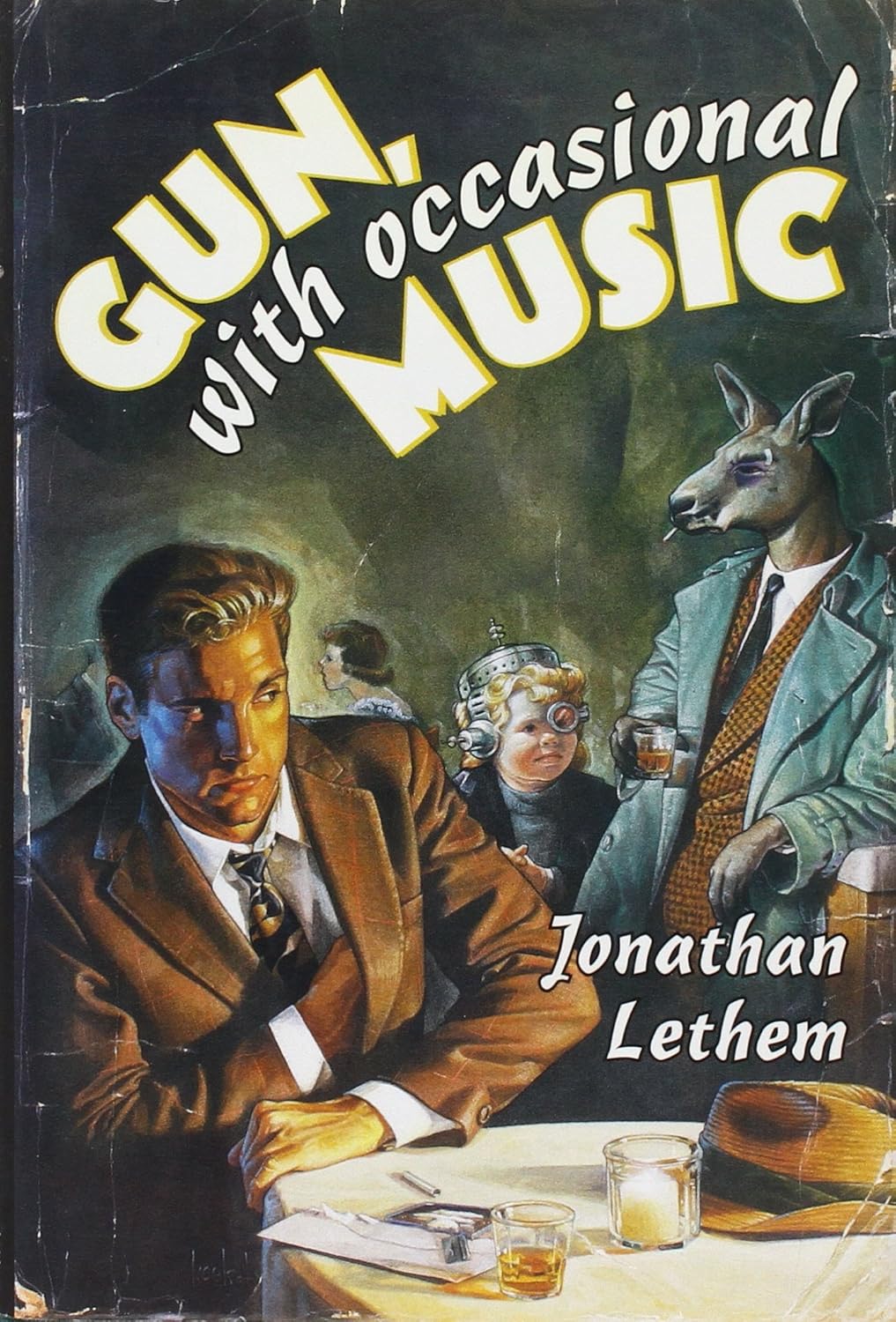
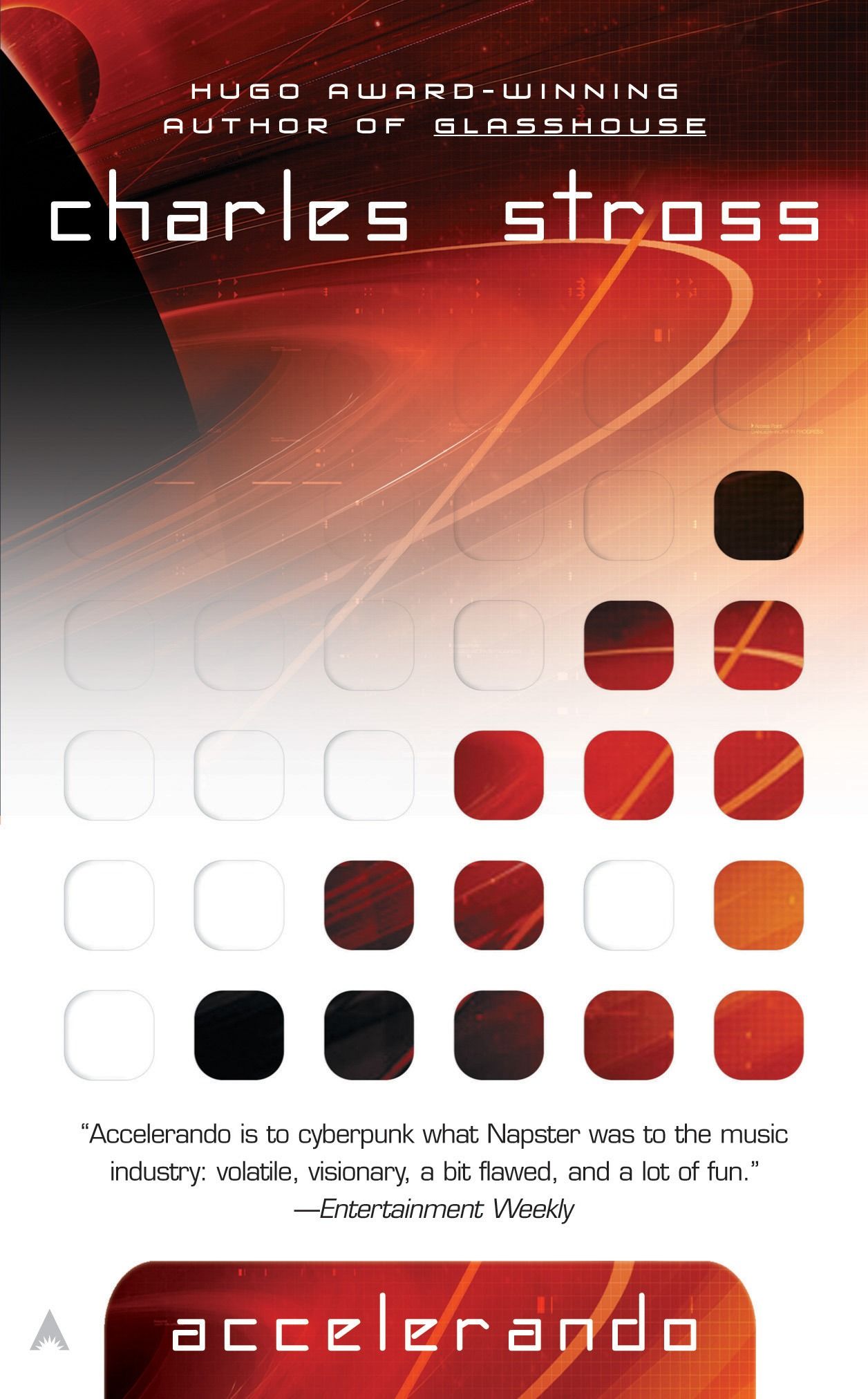
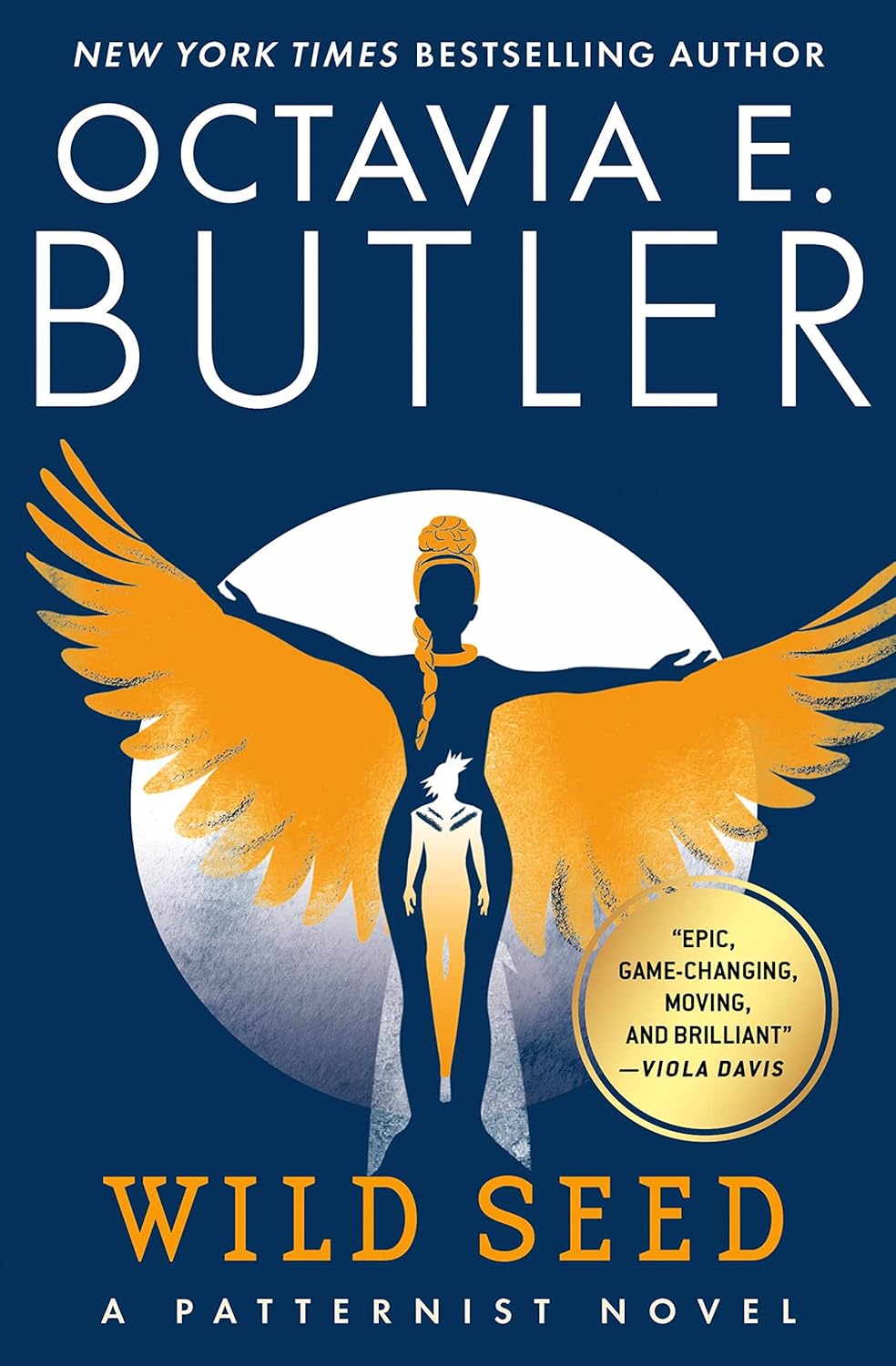
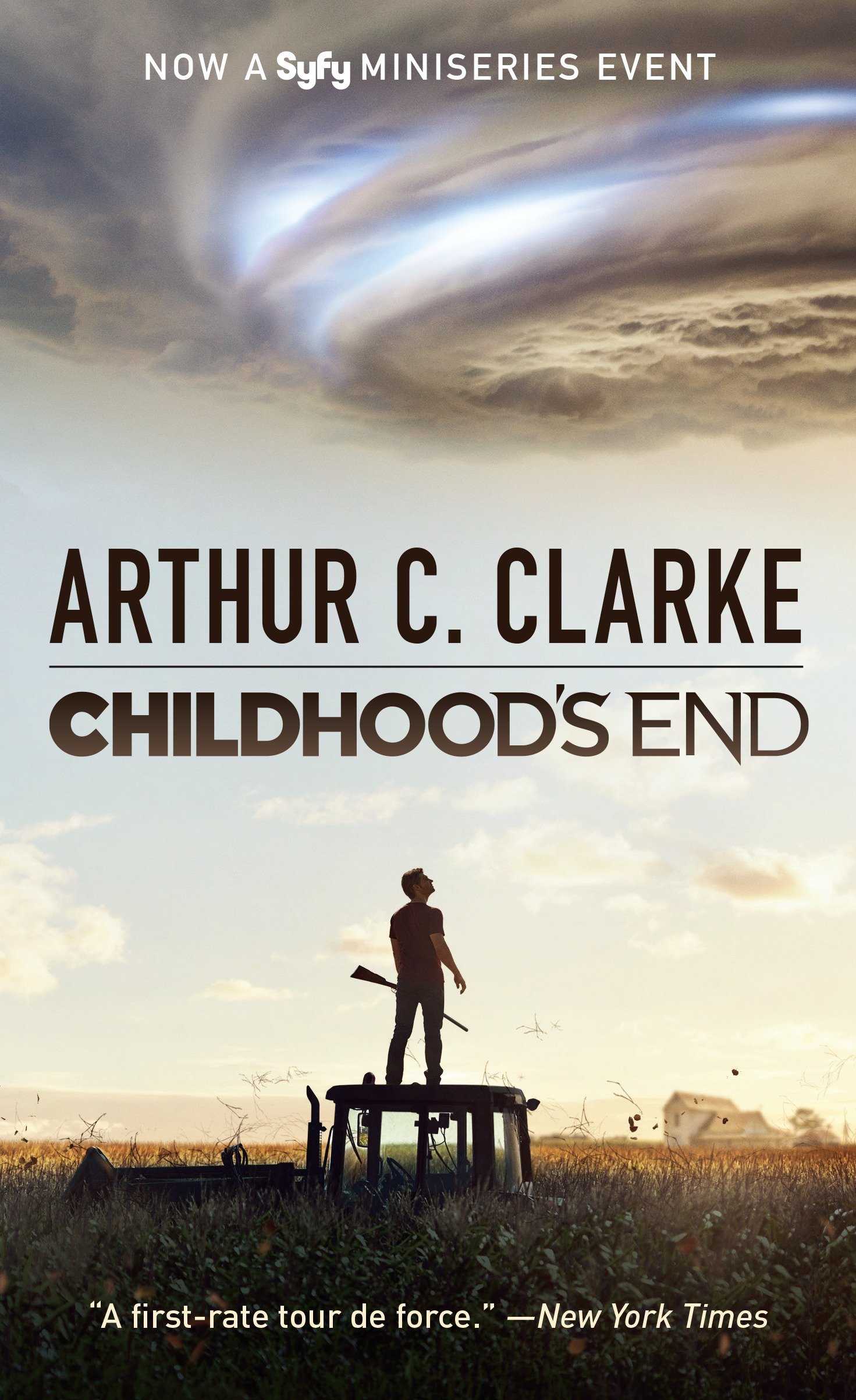
With so many ideas, it’s no surprise I’ve seen many of them elsewhere. Jory, the predator using the half-life world as a hunting ground to trap and consume people, is like ’s Alastair Grey, the SCP that traps and consumes researchers in its own reality in There Is No Antimemetics Division. The noir dystopia with freely available drugs shows up in ’s Gun, with Occasional Music. The idea of minds as separate from the body, able to go on after death, appears too often to count: in ’s Culture, ’s Commonwealth Saga, ’s Jean le Flambeur, ’s Accelerando, ’s Bobiverse, ’s Firefall, and others. ’s Anathem and ’s The Book of the New Sun have unreliable realities. ’s Patternist has psychics preying on regular humans, and Pat is almost like Doro from Wild Seed in how threatening she is just by existing. The evolution of humanity’s psychic powers features in ’s Childhood’s End. The advertisements at the start of chapters remind me of ’s Stand on Zanzibar.

I can see why is so beloved in Hollywood: he creates great concepts with nothing attached. There’s nothing to strip away to get them ready for filming; bring your own characters and story and away you go. But I don’t think his writing is for me. I haven’t liked a single book I’ve read by him, not even a little. Still, I suspect I’ll try Do Androids Dream of Electric Sheep? and A Scanner Darkly at some point. I hope I like them.