Burning Chrome
View as Markdown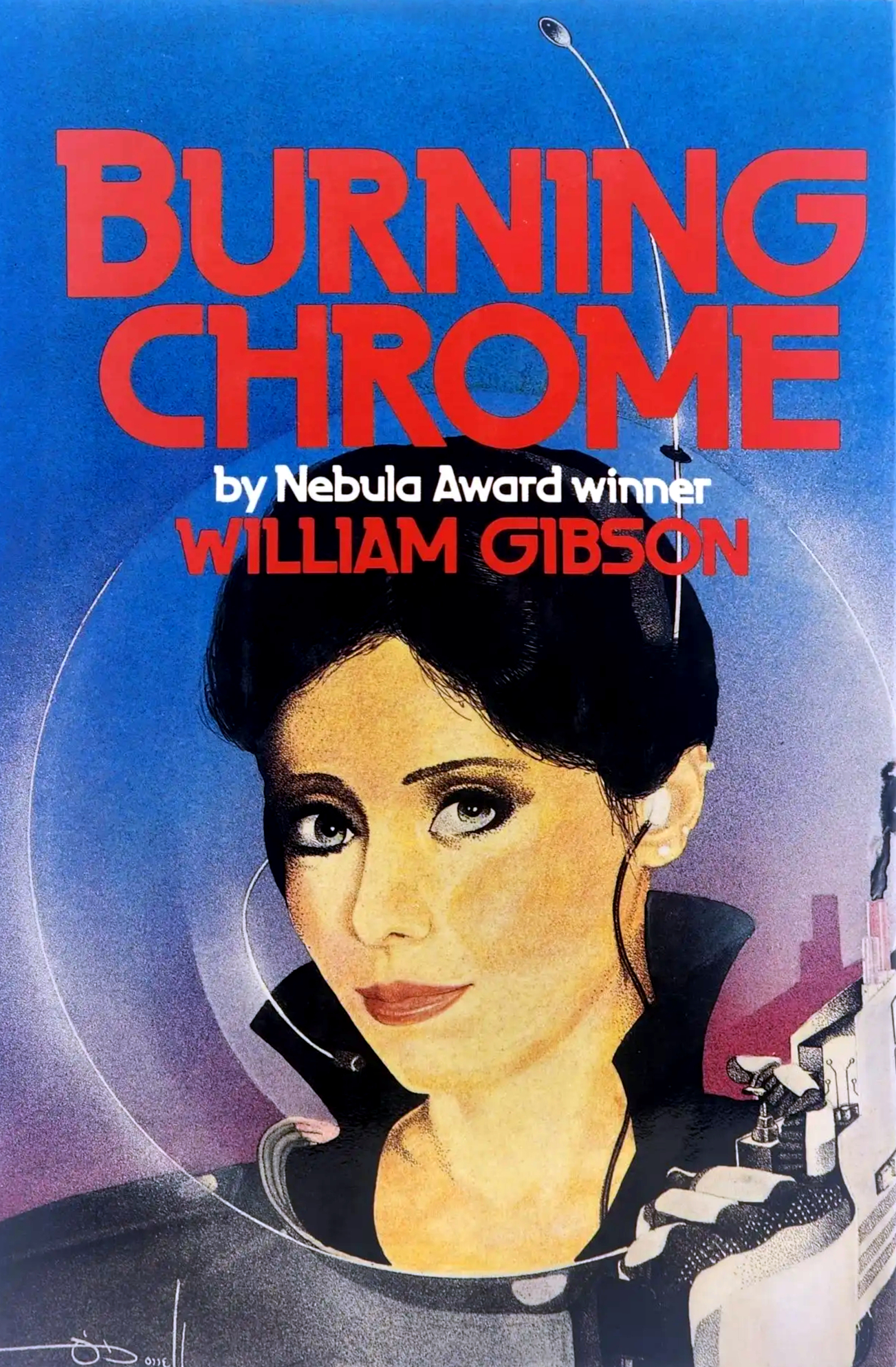
Review
Burning Chrome is a collection of short stories by . It features both solo and collaborative works, some of which are the earliest written stories in the Sprawl universe.
Burning Chrome was published after Neuromancer and Count Zero, but most of the stories were written years earlier. Reading them, you can see finding the prose style, the ideas, and the characters that would make the Sprawl trilogy such a masterwork.
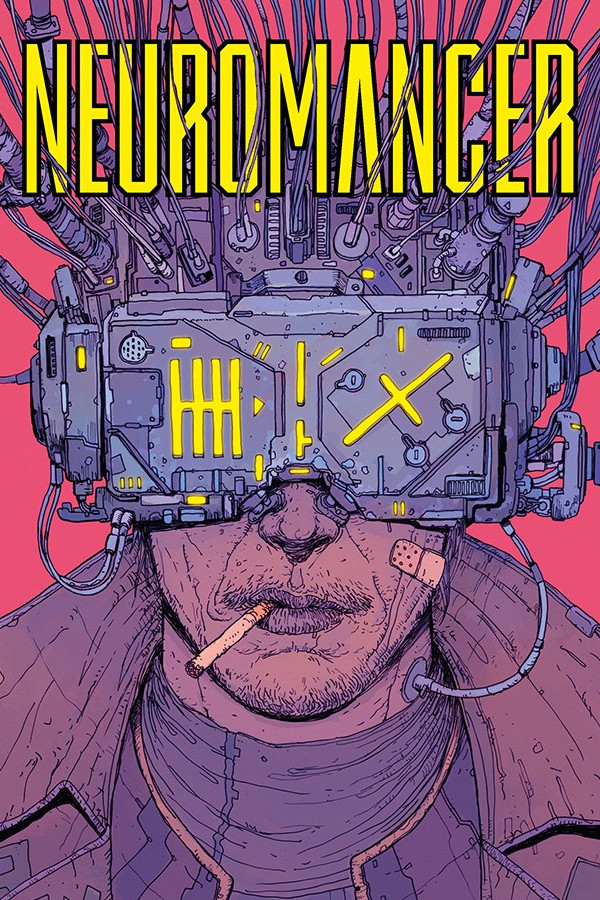
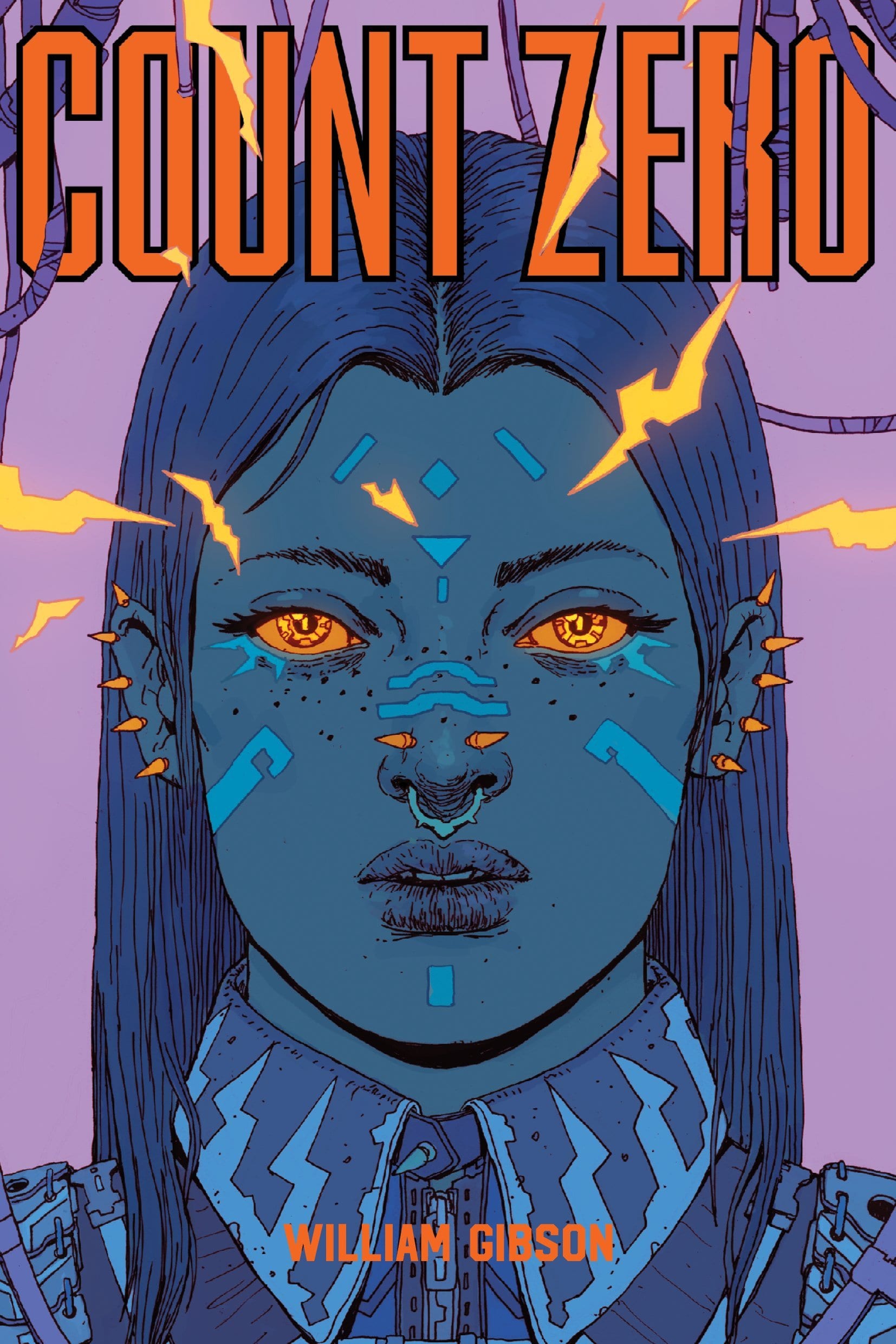
The prose in the Sprawl trilogy is light, sparse, almost poetic. doesn’t tell you everything; he gives you just enough to leave an impression and trusts your mind to fill in the rest. These early stories are much heavier, slower, the descriptions longer. But you can see him finding his voice, and by New Rose Hotel the prose is stripped down and lean.
Many of the ideas and themes expands in his novels were first tested out in these short stories: cyberspace, simstim, the body as currency, what part of you is really you. Three of the stories are even the novels in miniature: Burning Chrome is Neuromancer’s heist, New Rose Hotel is Count Zero’s corporate extraction, and The Winter Market asks the same questions about uploading and identity as Mona Lisa Overdrive.
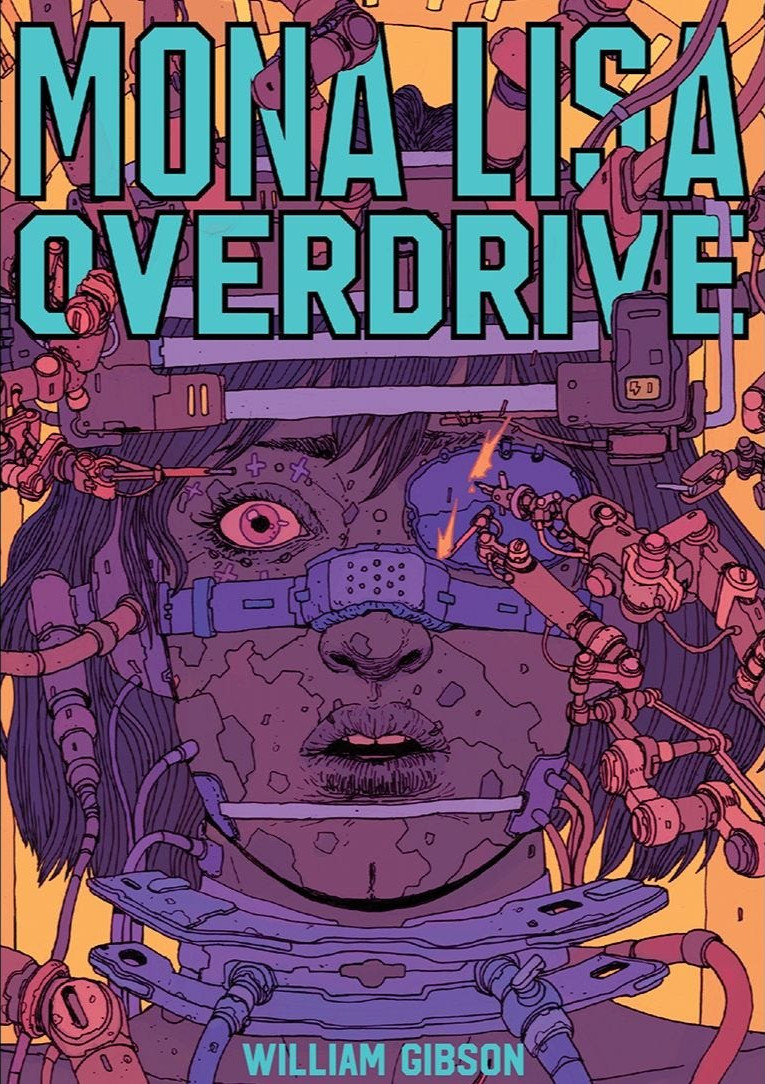
used these stories to work out characters, too. Some—like Molly and the Finn—are brought over directly. Others are prototypes, mixing together ideas he refines later; I’ll point a few of these out in the story reviews.
There’s another pattern in these stories, one that didn’t make it into the novels: nearly every one is narrated by a man outpaced by a woman with more agency. She drives the action, she gets what she wants, and more often than not she leaves him behind. Johnny is dragged along by Molly. The narrator of New Rose Hotel recounts how Sandii burned him while he waits to die. Casey is left coming to terms with Lise’s upload. We only see these women through someone else’s eyes. But in the novels lets them tell their own stories: Molly, Marly, Angela, Mona, and Kumiko all get their own chapters.
Johnny Mnemonic
Johnny Mnemonic is an early Sprawl story featuring Johnny—a man able to store proprietary data in his head—and Molly—the street samurai from Neuromancer and Mona Lisa Overdrive. The Yakuza want Johnny dead because his mind holds their stolen data, and Molly is excited to test her enhancements against a vat-grown ninja. Unlike most of the other stories here, this one is a direct prequel: Molly is one of the main characters in the trilogy, and Johnny is mentioned as part of her backstory.
This story also introduces the theme that comes back again and again in the Sprawl: what modifying yourself really costs. Johnny makes a living storing other people’s secrets but has no control over what gets put there. Molly has gained strength, speed, but as we see in Neuromancer, they came at a high price.
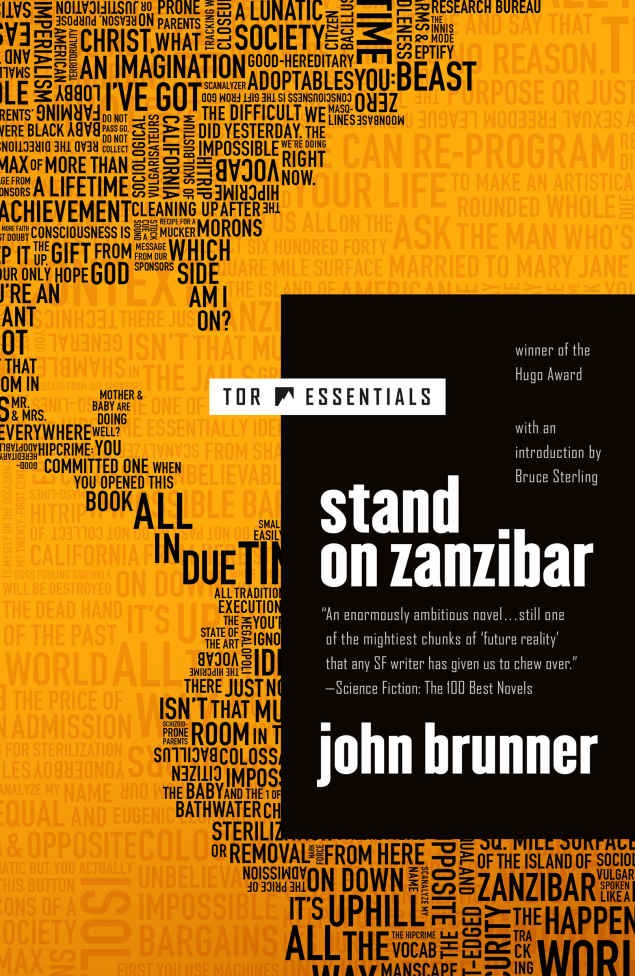
Johnny Mnemonic also starts to get at the weirdness of the Sprawl that makes it unique. It’s not all rain-slicked streets and towering zaibatsu and neon lights in cyberspace; it’s also heroin-addicted uplifted dolphins (two years before ’s Startide Rising), ninjas with monomolecular wire in their thumbs, and outcasts who implant animal teeth and live in the rafters of the geodesic domes. It’s something learned from ’s Stand on Zanzibar: the weirdness makes the future feel more real.
The Gernsback Continuum
doesn’t write horror, but much of what he writes is horrifying. The Gernsback Continuum inverts his usual horror three ways. He normally looks at a possible future; here he looks back at a future that never arrived. The horror is normally in the details—puppet shops, fast-growing custom-tailored cancers—so commonplace the prose hardly has time for them; here nothing is grim, and everything is seamless, smooth, fast, and interchangeable. And the squalor is usually the disease, the thing that’s wrong with the world; here it’s the cure, with porn, bad television, and the ugly reality the only things that can break the spell.
But the prose is clunky and the characters don’t matter. It’s a story all about the idea, and that’s not enough for me.
Fragments of a Hologram Rose
’s first published story, built around the idea that a fragment of a hologram still gives you the whole picture. gives us fragments of Parker’s life, and of his ex-girlfriend’s via ASP—a precursor to simstim—and lets us form the picture. This is the exact style I love in the Sprawl trilogy, but he doesn’t quite land it here.
There’s also a small bit about ASP stars becoming more androgynous because viewers can’t adapt to recordings made by a different gender. It reminded me of ’s I Sexually Identify as an Attack Helicopter, where Barb changes her gender to fly better.
The Belonging Kind
A bizarre tale about a species that subsists on alcohol and uses human form as camouflage. The main character is a linguist who can’t make small talk; he becomes obsessed with one of the creatures, turns into one himself, and finally blends in. A throwaway idea and little else.
Hinterlands
Hinterlands is the best story in Burning Chrome. It perfectly balances the wonder and dread I love in science fiction. It’s about the surrogates on a space station whose job is to meet astronauts returning through the wormhole. Most explorers kill themselves immediately, but a few share transformative knowledge before their insanity gets to them.
captures both the trauma the surrogates carry from bonding with people who are going to die and the guilt and loss they feel at having tried to go through the wormhole and been rejected: every surrogate is a failed explorer. The narrator says that at the edge of the highway human understanding breaks down, leaving only the language of the shaman and cabalist. It’s the same idea builds Count Zero around: when power is incomprehensible, religion is the only framework humans have to understand it.
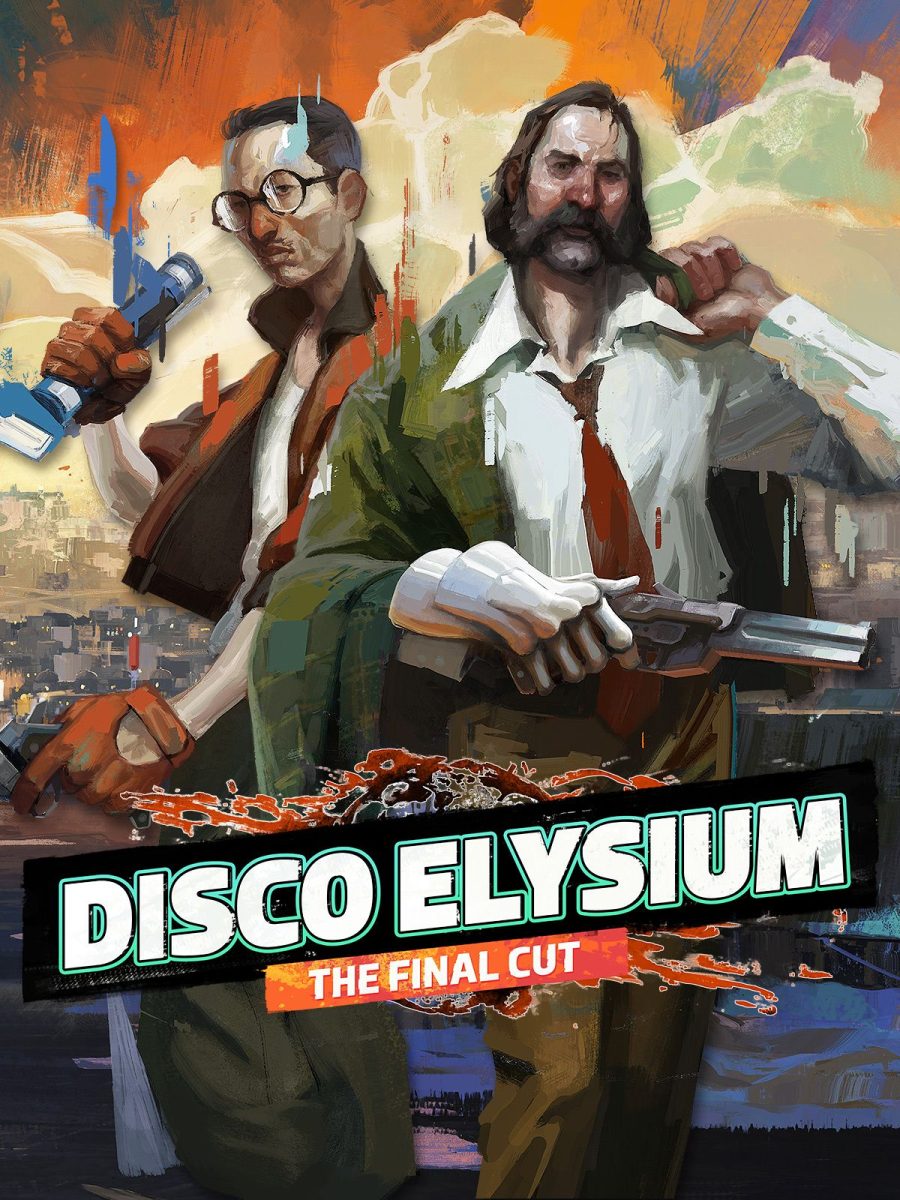
Only a few other stories balance wonder and dread the way this story does: and ’s Roadside Picnic, of course, which this story is influenced by; ’s A Colder War; ’s Firefall; Disco Elysium. It’s this tension between awe and horror that I love so much in the best science fiction.
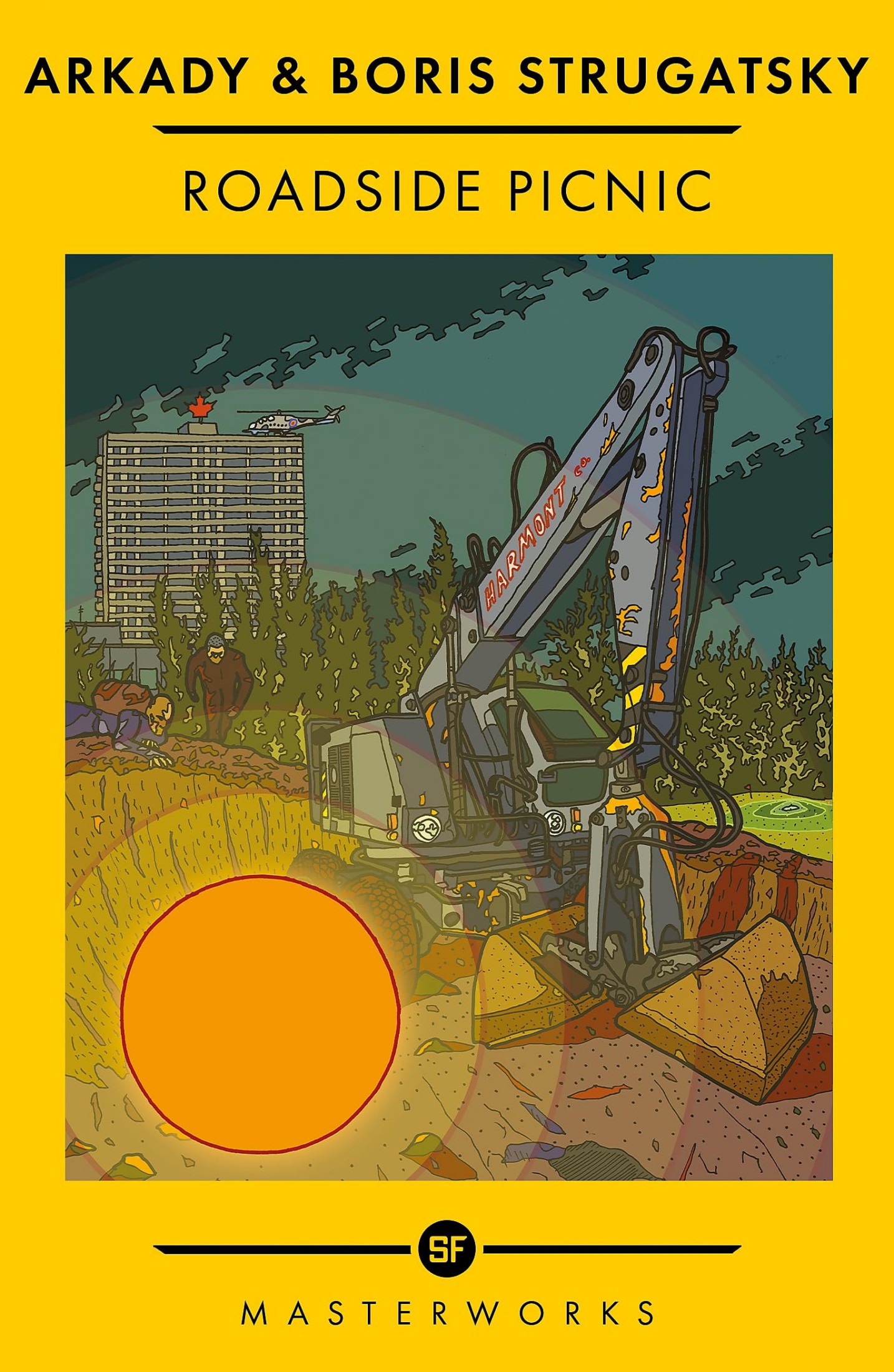
And the idea of incomprehensible objects arriving from elsewhere isn’t limited to Hinterlands or Roadside Picnic. plays it for comedy in Cleaning Up, where aliens dump their trash on us, and makes it deliberately hostile it in A Powerful Culture, where other dimensions dump toxic waste on Earth.
Red Star, Winter Orbit
This story takes place on a decaying, soon-to-be-abandoned Soviet space station. The Soviets won the Cold War, went to the Moon and to Mars, and now everything is crumbling. It’s almost an alternate history of the Sprawl, where instead of Japan winning and the zaibatsu taking over, the Soviets did and then collapsed.
Reggae shows up briefly in this story, and in a few others in Burning Chrome. continued this trend of using Afro-Caribbean culture throughout the Sprawl trilogy: the Rastafarian Zion cluster in Neuromancer and the Haitian Vodou Loa in Count Zero.
New Rose Hotel
New Rose Hotel is my other favorite story in the collection. The narrator and his partner help scientists defect from one company to another, and they hire Sandii to seduce a Maas Biolabs scientist so they can sell him to Hosaka. But Maas isn’t a towering zaibatsu. It’s a lean startup, moving fast, all edge, a predator among the corporations. Sandii has her own score to settle with Hosaka, and Maas gives her the means to do it.
has finally honed his noir style and lean prose. The whole story is -esque: a man in a coffin hotel, going over every detail of the woman who ruined him, still unable to let go.
This story directly explores an idea that’s only implicit in the Sprawl trilogy: that corporations are a life form, that they are artificial intelligences. That’s a particularly interesting idea now, as we debate whether LLMs are real AI while overlooking the fact that we’ve already had artificial intelligences for centuries. ’s Accelerando does the same thing, although there he makes it explicit as corporations literally evolve past their human founders.
The Winter Market
A story that reads like something from the Sprawl but isn’t. Casey is a stim editor (another simstim precursor) who discovers Lise, a disabled artist. People love her work because the feeling she conveys of being trapped by her body is a more intense version of what the down-and-out populace feels. She uses Casey to become a star, which gives her the chance to upload her mind and escape her body. There’s an irony there: her body is what made her art, but she casts it aside anyway.
This story asks whether the upload is still Lise. Casey doesn’t think so, and he dreads talking to her afterward, afraid she’ll convince him otherwise. It’s a question science fiction keeps asking: ’s Lena, ’s Surface Detail, ’s Bobiverse, and himself across the Sprawl novels—with Dixie Flatline, with the Count, and with Angie.
Angie is Lise refined: another addicted simstim star, another escape through upload. Rubin, an artist who builds things out of gomi, is another prototype: he becomes Slick from Mona Lisa Overdrive.
Dogfight
The third and final collaboration in the collection, Dogfight, is about a drifter who cheats his way to winning at video games. In the process he destroys a disabled veteran’s only source of meaning and ruins his own fledgling relationship. It’s an inversion of the women-with-agency pattern in the rest of Burning Chrome.
The story isn’t set in the Sprawl, but it reads as another prototype, with reflex-improving drugged-out fighter pilots, personal holographic projections like the ones Riviera uses in Neuromancer, and punishments that rewrite your personality like Slick’s in Mona Lisa Overdrive.
Burning Chrome
This story is a straightforward heist: Bobby Quine and Automatic Jack burn Chrome, a mob-connected fixer, and redistribute her money. But behind the simple story are ideas that would be revisited in the Sprawl novels. It’s the first place describes cyberspace, a neon-lit geometric world you can jack into to steal a billion dollars. And Rikki, Bobby’s muse, sells herself at Chrome’s puppet shop for the Zeiss Ikon eyes she needs to be a simstim star. It’s the same trade Molly makes in Neuromancer: consciousness and bodily autonomy for agency.
This story gives us one of ’s most famous lines: “The street finds its own uses for things”.