A Trade of Blood
View as Markdown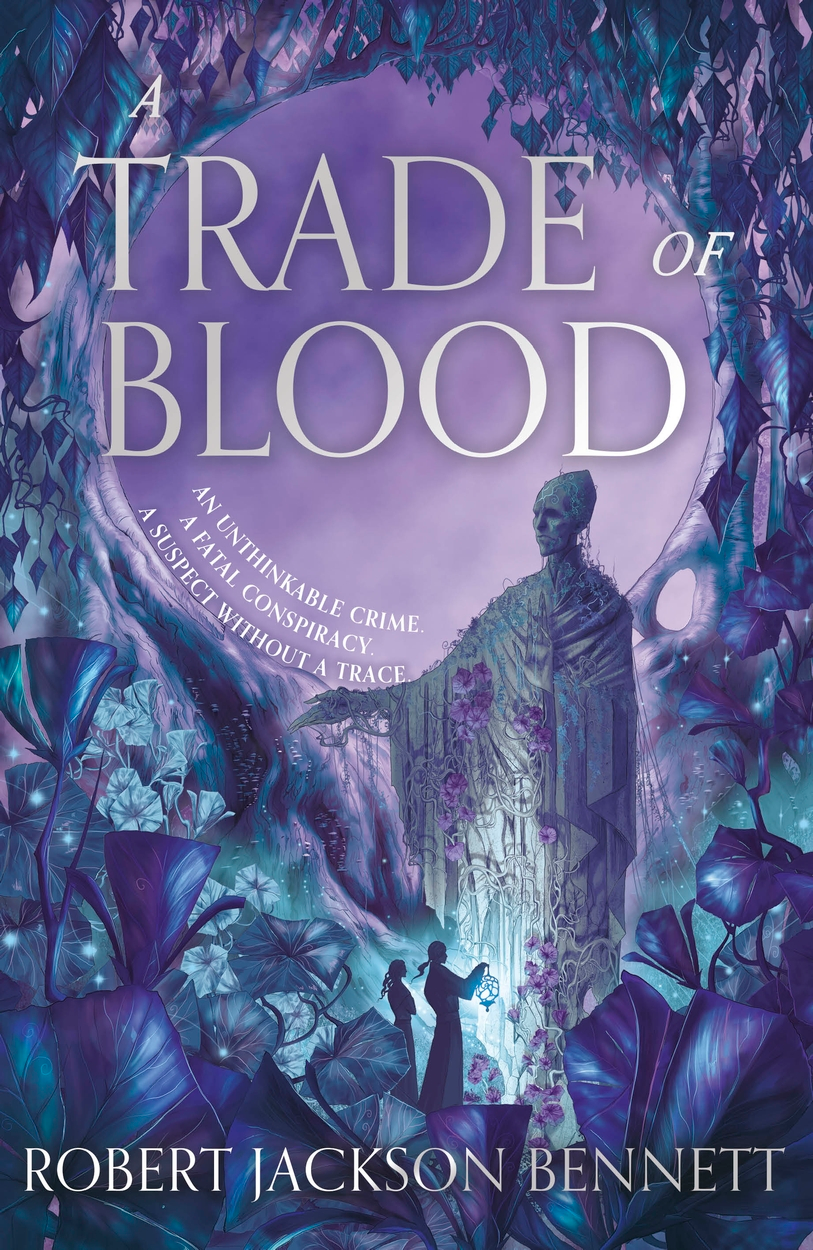
Review
In A Trade of Blood, the third book in ’s Shadow of the Leviathan series, Din and Ana travel to Lacanthim to stop a brewing clan war. Castus Armenta, heir to a powerful cattle clan, has been caught literally red-handed after the murder of Zansay Burav, the daughter of his family’s only rival.
The case isn’t as simple as it seems. Castus and Zansay were having a tryst and planned to run away from their families. It’s Romeo and Juliet at first blush, so much so that lampshades the comparison through Ana, who calls the situation “derivative”.
But the story is far from derivative. The simple murder quickly spirals into a conspiracy involving mind-controlling fungi, cattle the size of houses, and the mysterious Daljen—an ancient Khanum tribe that disappeared hundreds of years before the rest of the Khanum vanished.
The World
Din is much improved in this book. In A Drop of Corruption, he was depressed and trying to recover by whoring around. He’s back on his feet, more competent now, and his powers are changing in ways that mean he is running out of time but are also making him a better detective. And we’re starting to learn about his family and history. But Ana recedes into the background a bit in this book. She has always been the stronger character with the more distinct personality, so sidelining her is taking away part of what makes the series work.
The worldbuilding is darker in this book because it asks explicitly what it costs to keep the Empire going. That’s the main theme: sacrifice. Din has sacrificed his humanity to provide for his family. The gentry sacrifice their children and their mental health to provide meat for the Empire. The Empire sacrifices the land itself. The Daljen enslaved people they considered lesser, and Din now worries the Empire is headed the same way with its Sublimes.
I’m beginning to think that “Leviathan” in the Shadow of the Leviathan doesn’t just refer to the giant monsters, but to the state itself, as in ’s Leviathan. Looking back, each book examines a different part of how the Empire works: The Tainted Cup asks what the state owes its people; A Drop of Corruption, what bad rulers do to it; and A Trade of Blood, what it consumes, both literally and figuratively.
Losing the Surprise
But the worldbuilding feels like filling in details now. It doesn’t surprise me the way the earlier books did. The Tainted Cup had the advantage of showing us the world for the first time. Every detail was new and exciting: buildings grown, not constructed; horrifying plants and fungi that can kill just by breathing them in; people modified to have perfect memory or amazing eyesight. And just as the mystery is starting to wind down, a leviathan smashes its way into the story! By A Drop of Corruption, I’d already seen half the things that make the Shadow of the Leviathan series unique. The world felt more familiar, and exploring it was less exciting. A Trade of Blood has that same problem. The mystery is good, but without the new-world excitement or the climactic leviathan, it has to carry most of the narrative. It doesn’t quite pull it off, and the pacing feels slow. Halfway through, I could tell a few more twists were coming, but I was ready to be done.
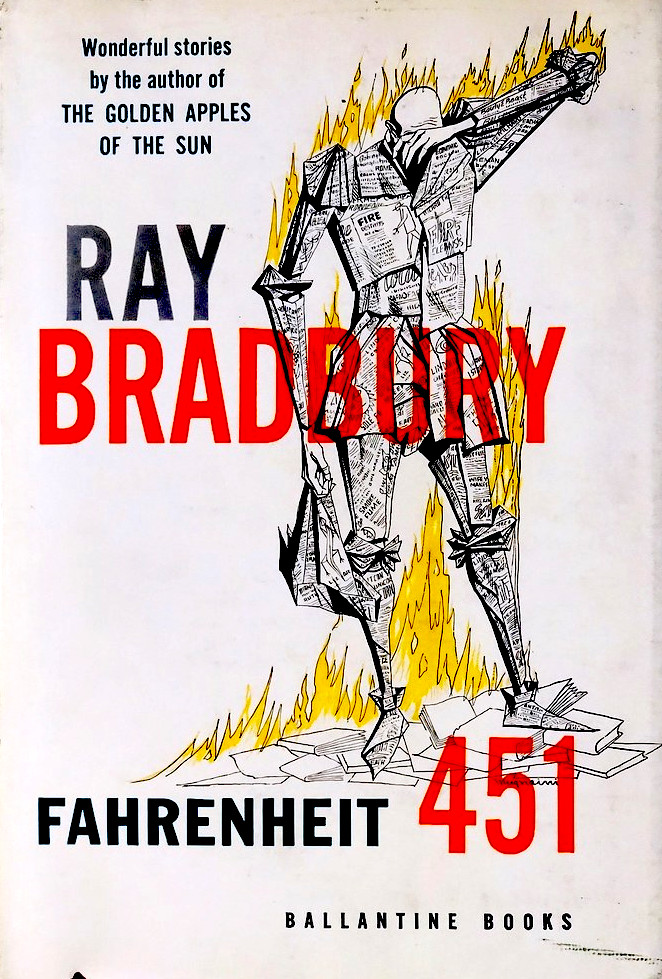
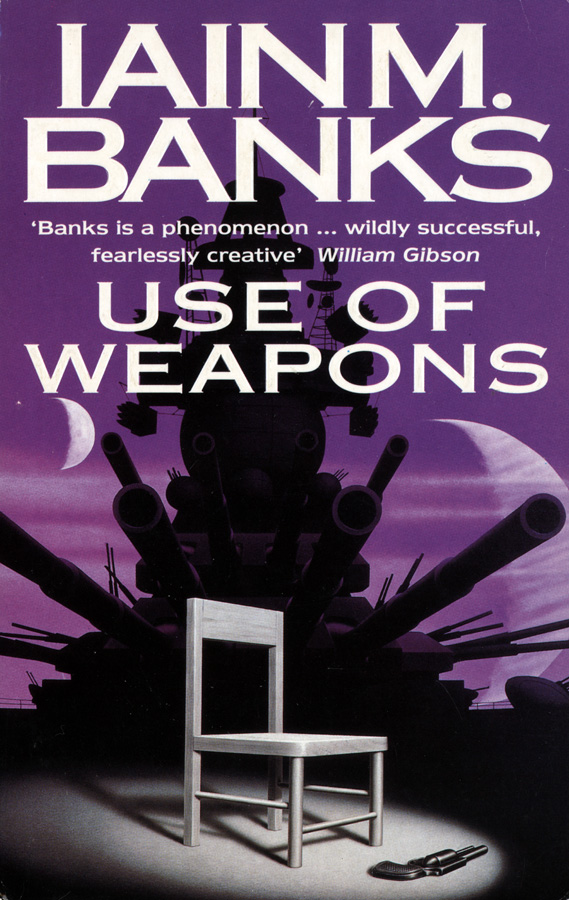
This book made me ask myself: do I even like mysteries? But I must! ’s Sherlock Holmes books were some of the first I read on my own, and I’m enjoying ’s Fugitive Telemetry right now. As I mentioned in my review of ’s Fahrenheit 451, I like books with clever structure. I enjoy unraveling the puzzle, as in ’s Absalom, Absalom! and ’s Use of Weapons. Maybe that’s it: A Trade of Blood has neither the clever structure nor the pace to carry the whole book on its own.
Other Books
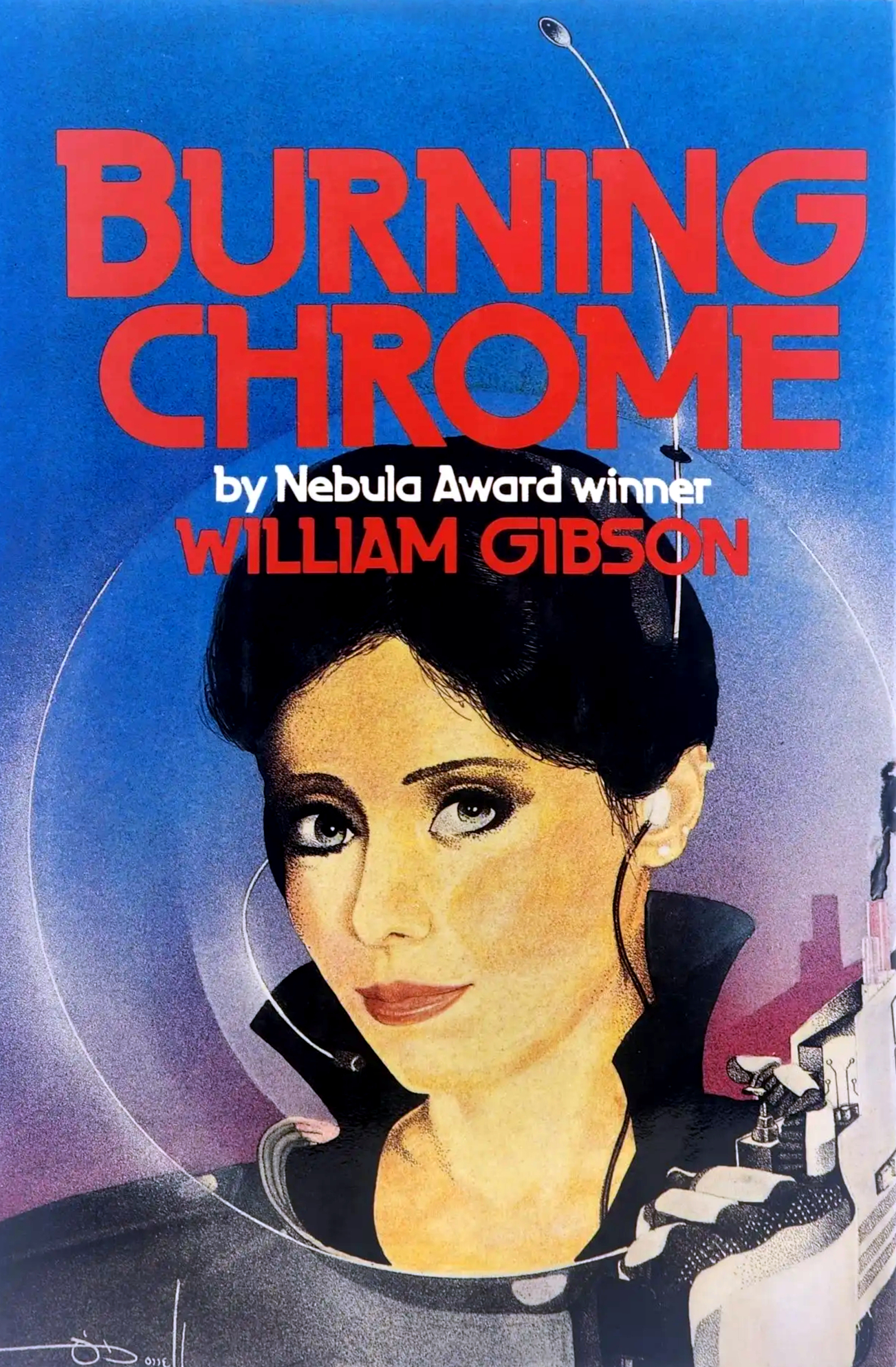
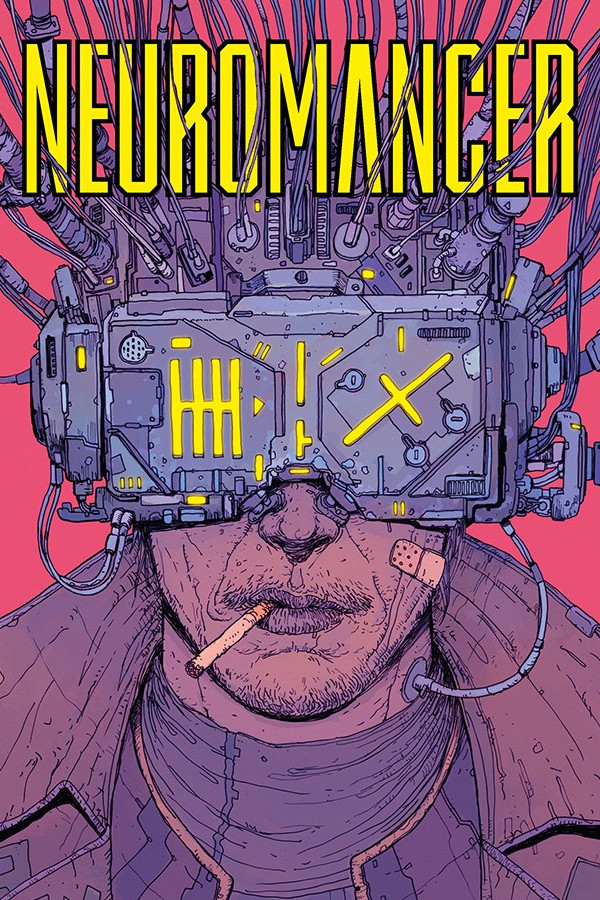
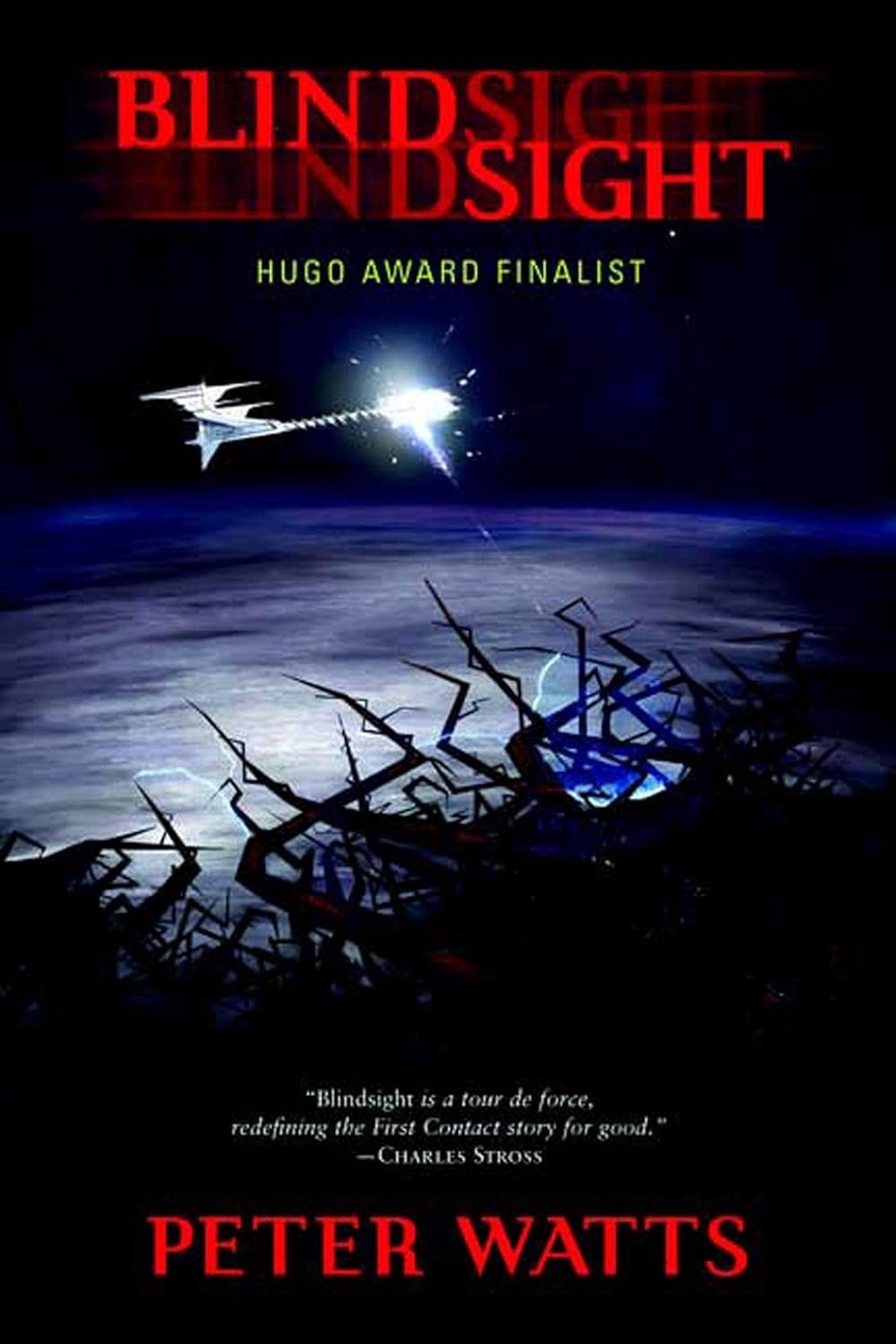
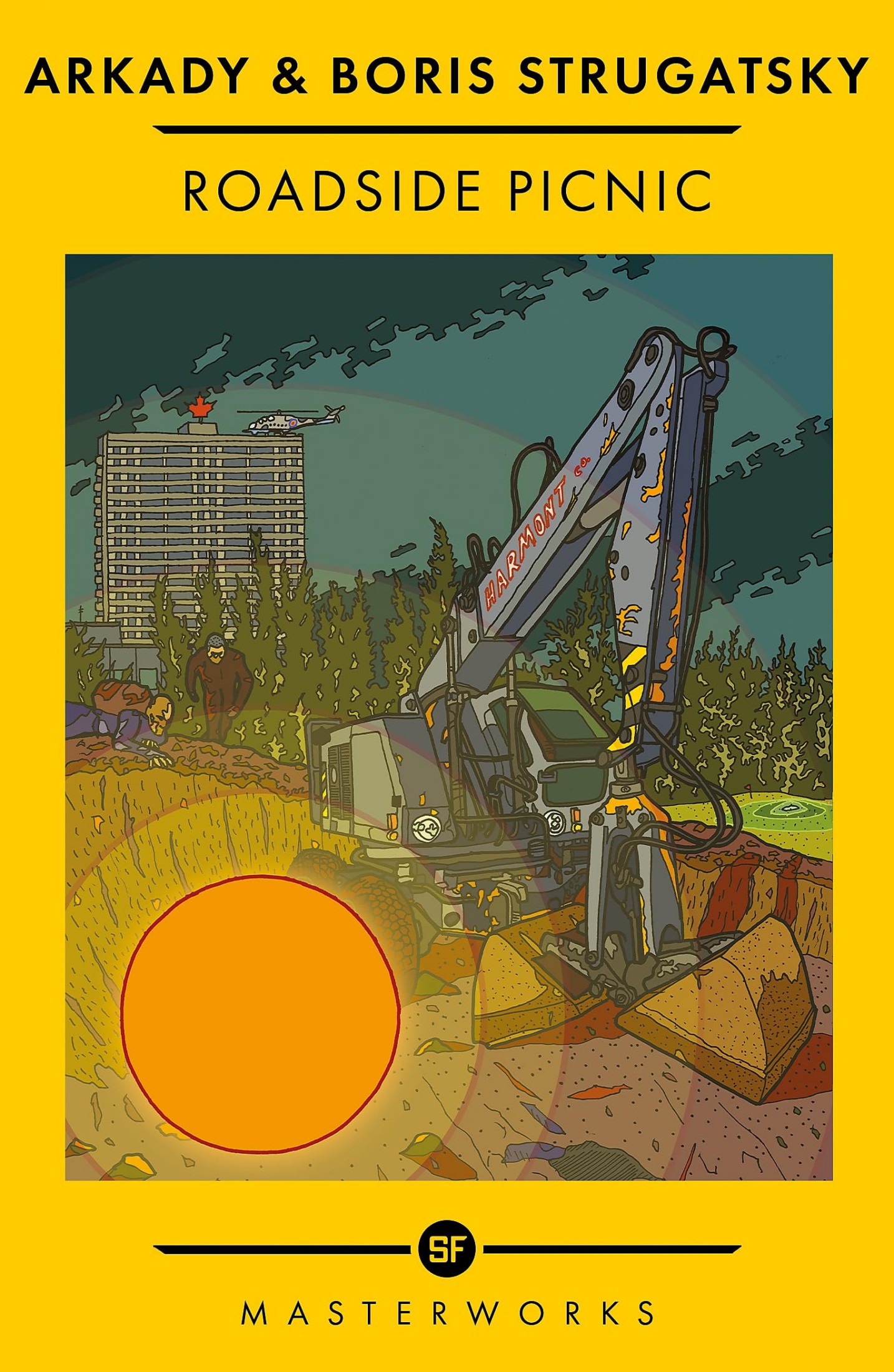
This book reminded me of several others. Din recalling what he’s seen or heard in a sort of fugue state is similar to how Johnny recites stored data in ’s Johnny Mnemonic. In fact, Din’s sacrifice of his humanity and bodily autonomy for his family’s survival is the exact bargain explores with Johnny, and also with Molly and Case in Neuromancer. The new voice in Din’s head reminds me of the multiple personalities sharing Susan James’s mind in ’s Blindsight. Ana’s question about how much suffering the Empire will tolerate for its own comfort is similar to the one in ’s The Ones Who Walk Away from Omelas. The destriers are a direct reference to the same not-quite-horse beasts in ’s The Book of the New Sun. The Touched Site—hidden in a forest that makes people unnaturally afraid to enter and containing contamination from powerful beings—is like the Zone from and ’s Roadside Picnic.
I really enjoy the unique world that has built, but the more familiar it becomes, the more the mysteries have to carry the series. I’m worried about what that means as we go forward. Still, I liked A Trade of Blood, and I’m hoping the next one gives us some new strange things and a leviathan.