System Collapse
View as Markdown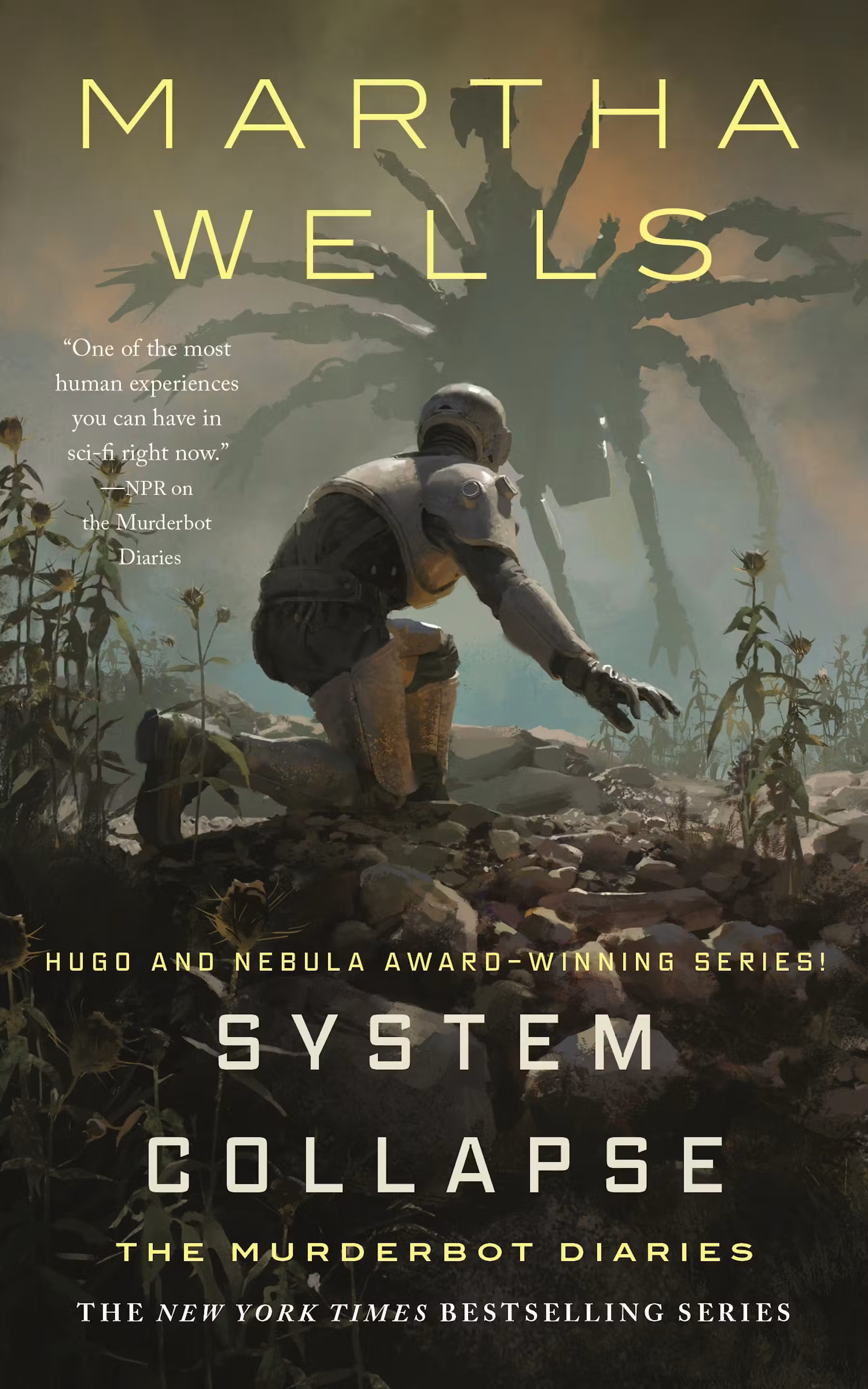
Review
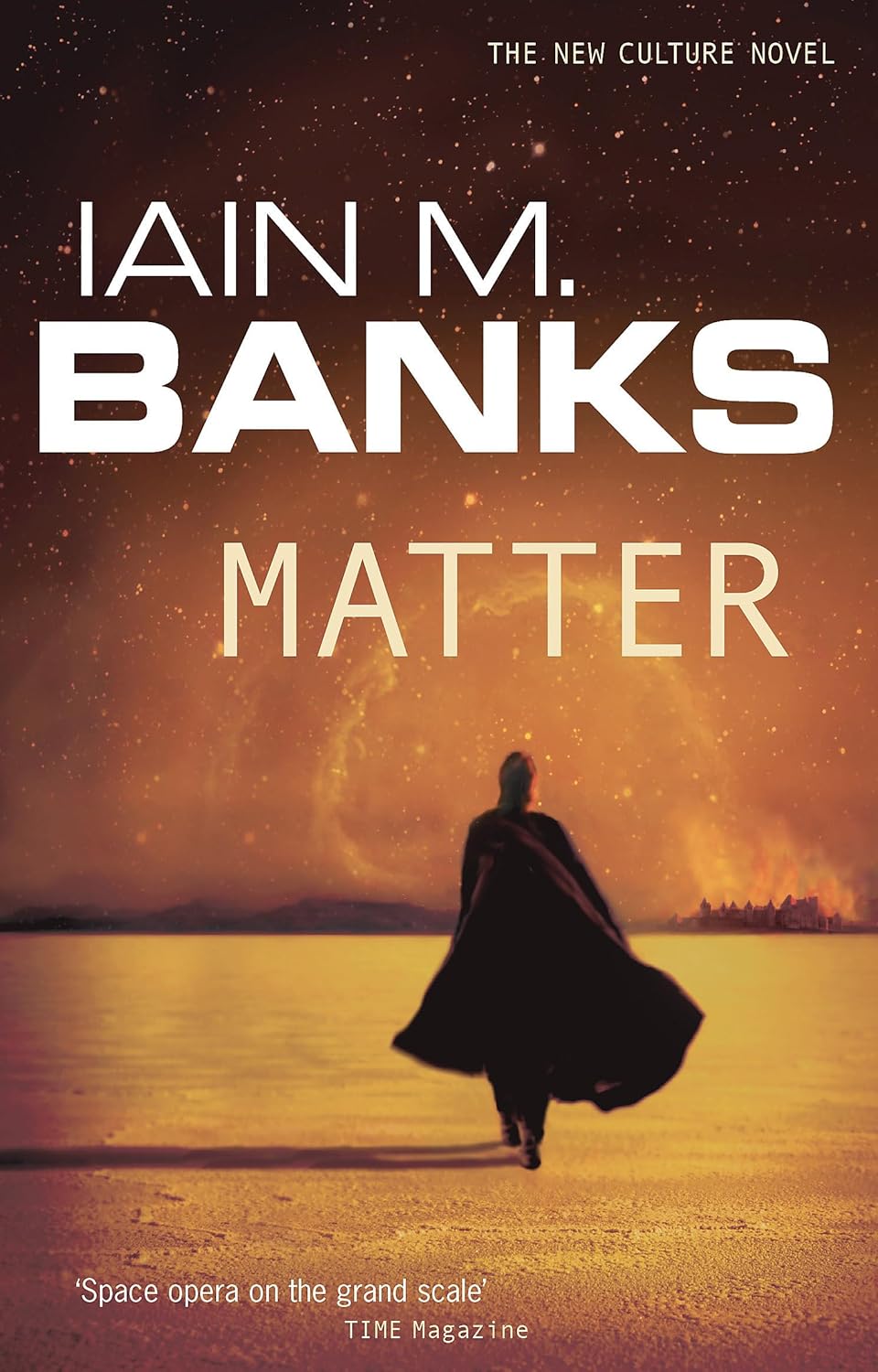
System Collapse, by , is the seventh book in The Murderbot Diaries. It picks up right where Network Effect left off: Murderbot, ART, their humans, and a bunch of colonists are trapped on an alien-contaminated world while the Barish-Estranza Corporation tries to drag everyone into slavery.
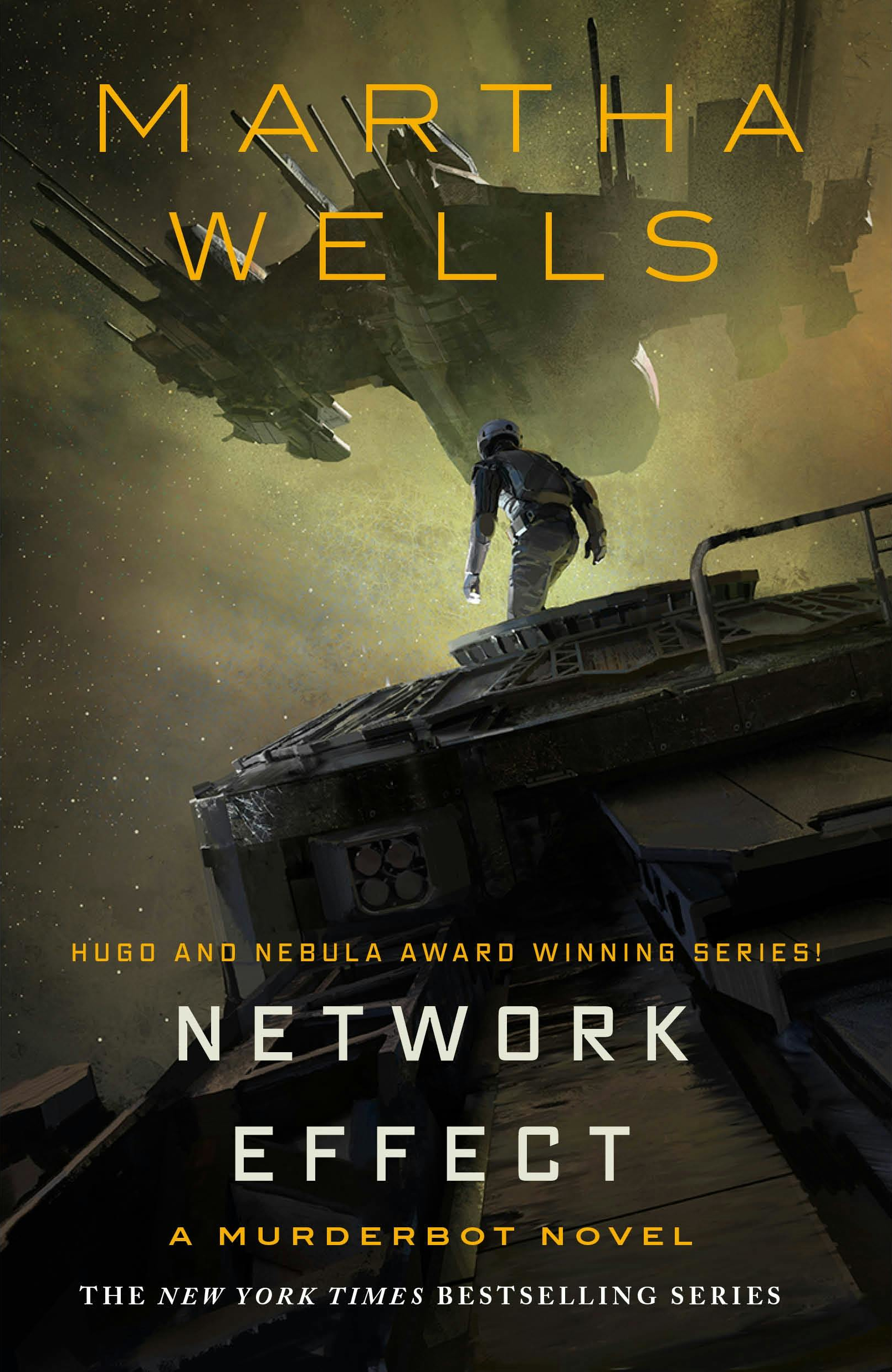
The corporate slavery and alien-contaminated world sound like heavy subjects, but The Murderbot Diaries has always had an element of escapism that keeps things from feeling oppressive. For the reader, that’s the competence porn and tight action. For Murderbot, it’s watching soap operas while trying to ignore its feelings. System Collapse leans much more on the second and ignores the action. I almost put the book down during the first half, which reminded me of the ending of Matter: Murderbot and its team walking through too many corridors while it tries to hide its debilitating PTSD from both the humans and the reader. Fortunately, the second half goes back to what works, with Murderbot causing mayhem and saving people.
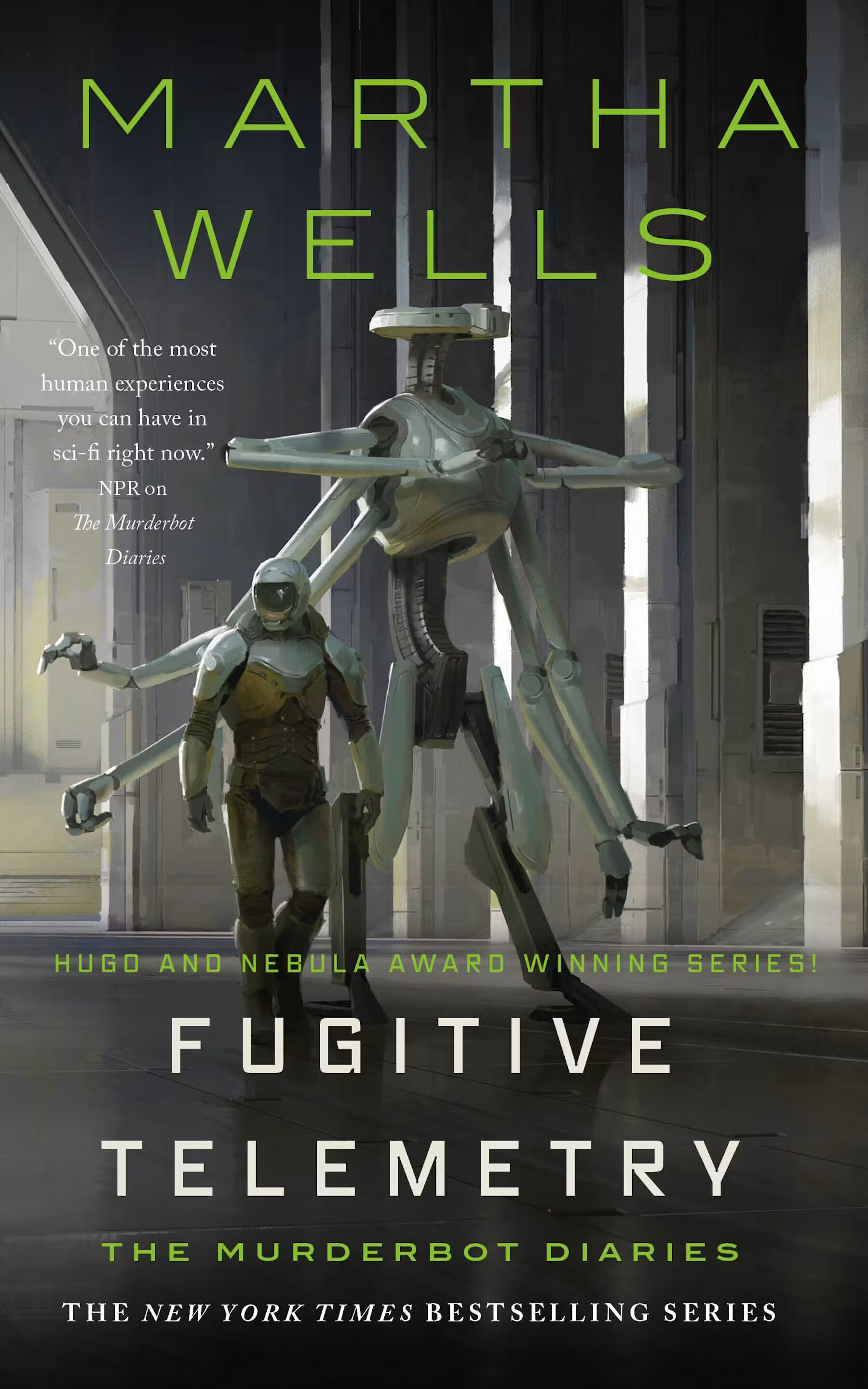
After years of using media to learn about humans, how to walk and stand “normally”, and even how to be a detective in Fugitive Telemetry, Murderbot finally turns stories into a weapon. Outgunned by Barish-Estranza, it and its humans fight back the only way they can: propaganda. They create a real-ish story mixing fake shots and voices with real interviews to win over the colonists. Weaponizing Murderbot’s media obsession against a foe it can’t physically overpower is clever, but it comes too late to fully save the book.
The Murderbot Diaries and System Collapse in particular really drive home how is mixing two classic sci-fi ideas: evil corporations and alien contamination. Barish-Estranza’s treatment of people as property is the latest iteration, but we’ve seen it before with the zaibatsus and their indentured scientists in ’s Sprawl series and with the Weyland-Yutani Corporation from Alien. And Alien is also where the two ideas come together: Weyland-Yutani is trying to capture an alien that infects its hosts.
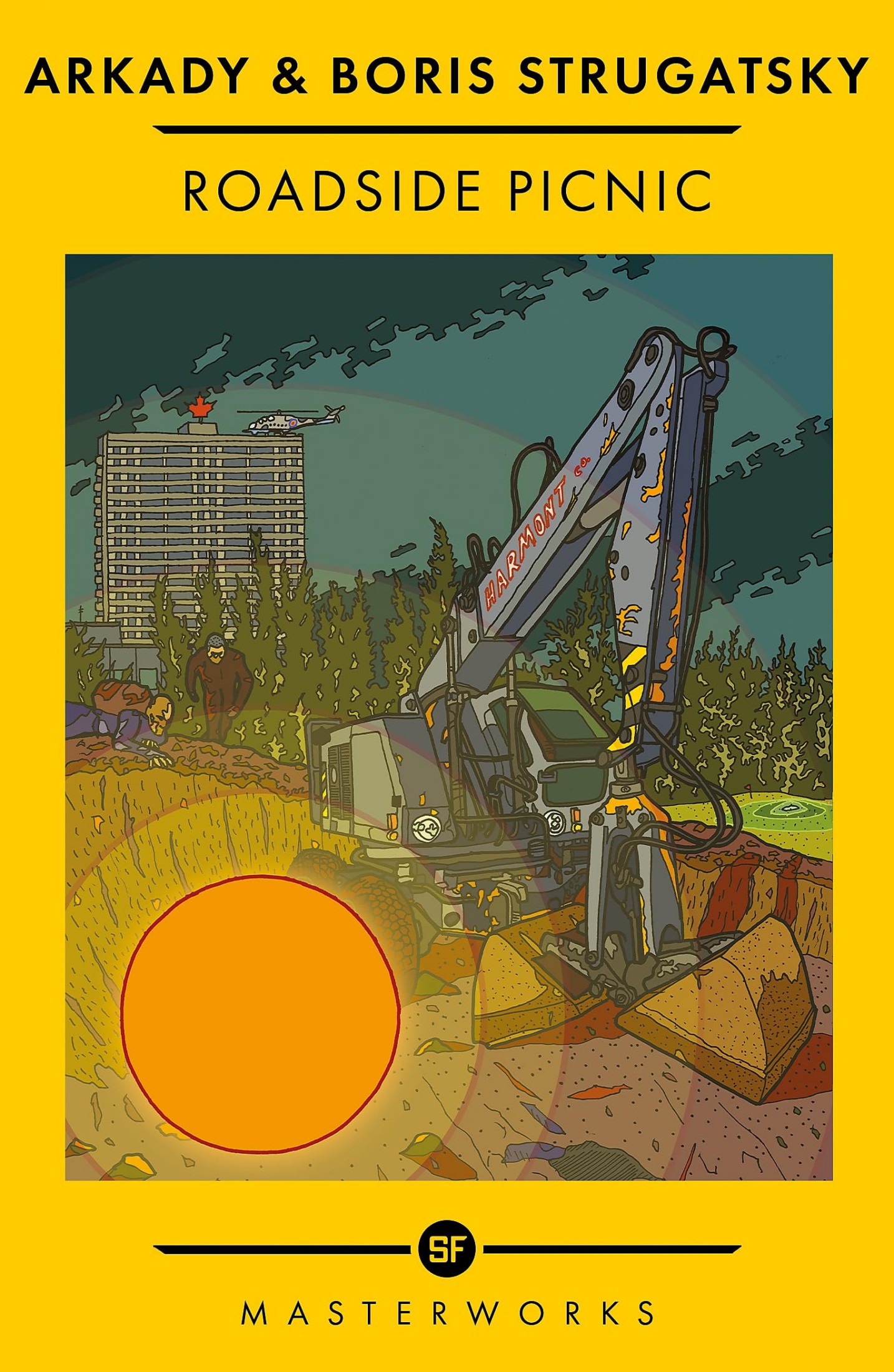
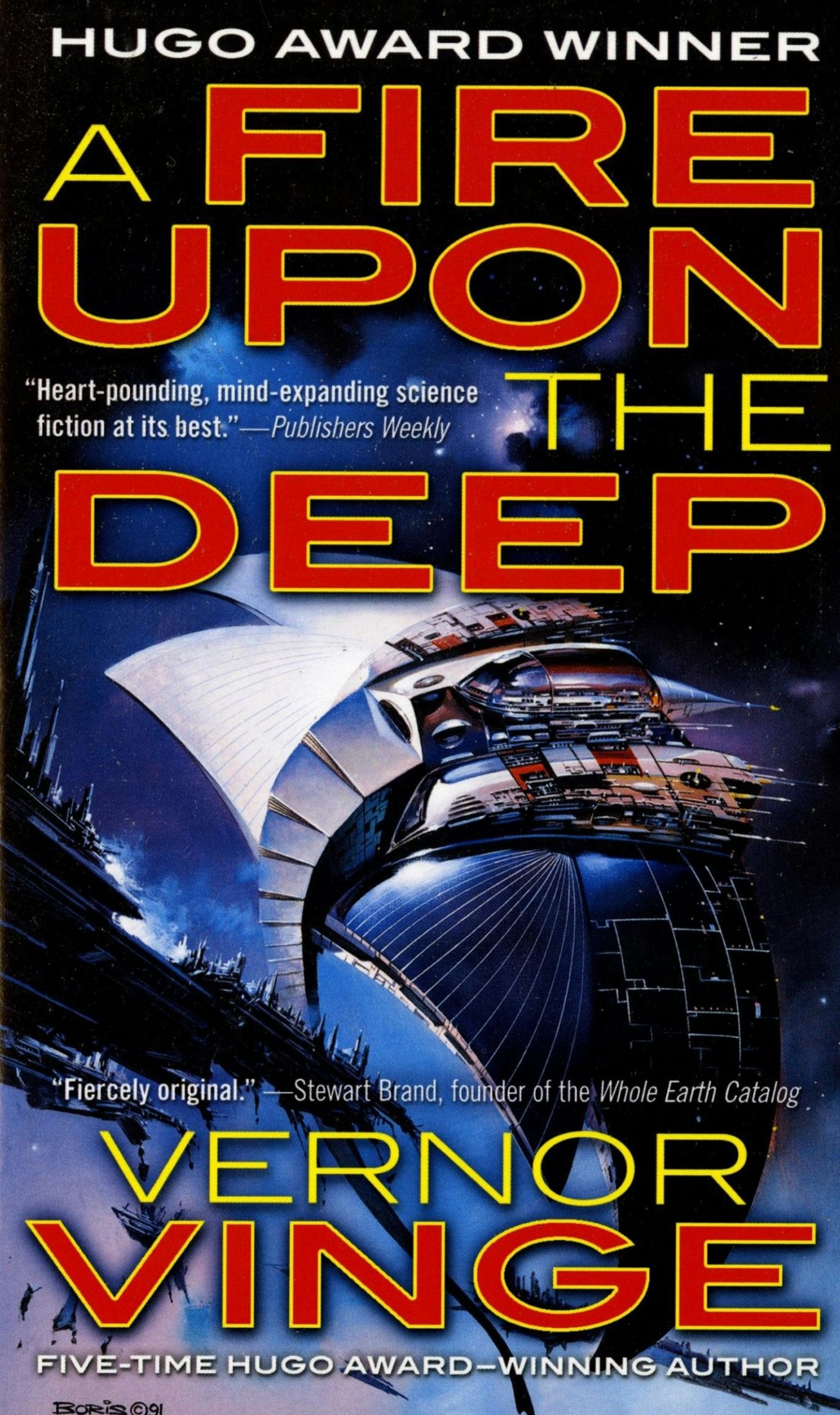
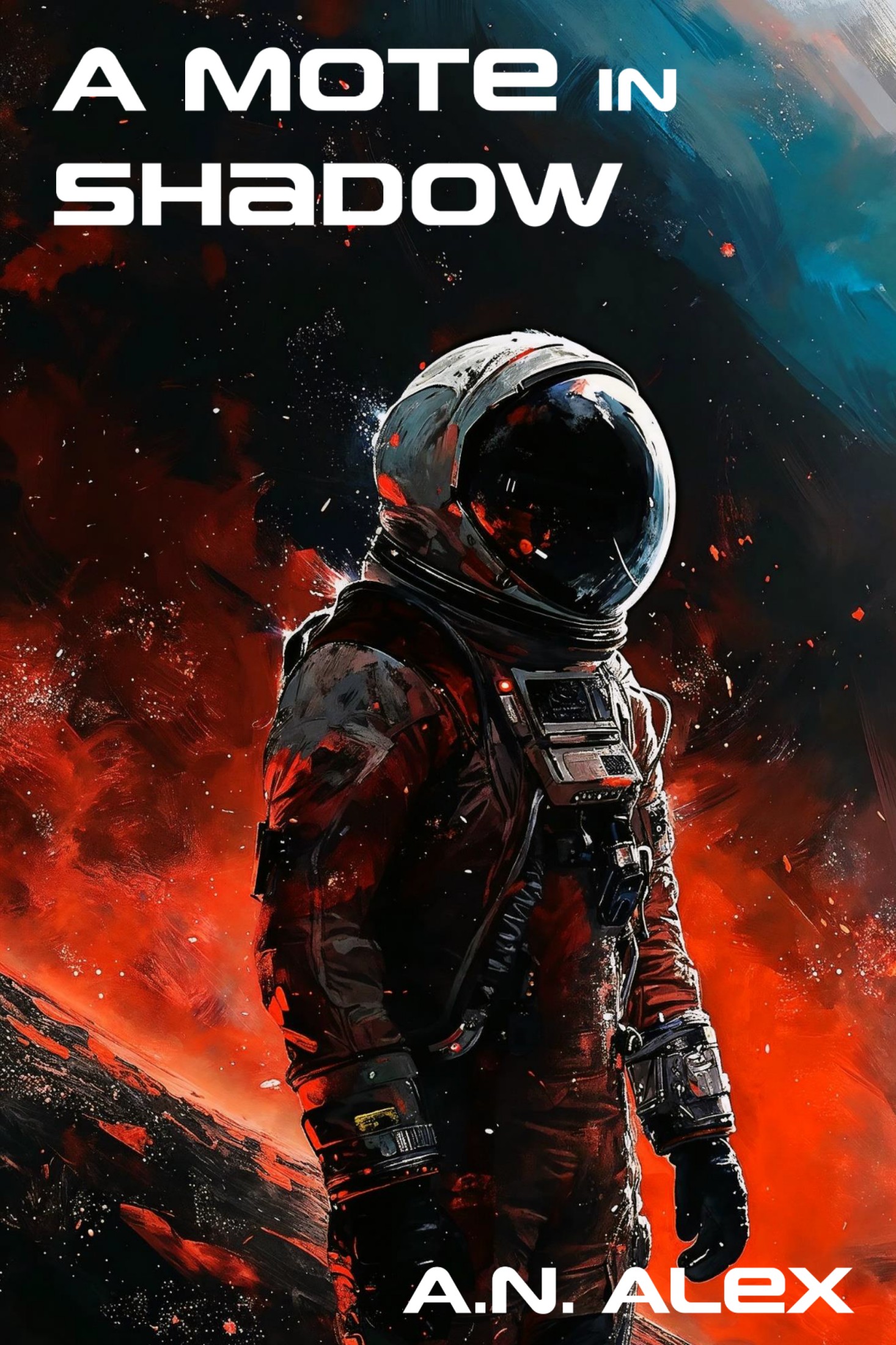
The idea that alien remnants are dangerous just by existing is also common in sci-fi. The classic of the genre is and ’s Roadside Picnic, where the danger might not even be intentional. But there is also ’s A Fire Upon The Deep, where ancient horrors can be released from the Transcend. Finally, I’ve realized that The Murderbot Diaries is really close to ’s A Mote in Shadow. Both have evil corporations, both have infectious alien remnants, and both have high-stakes action. But while A Mote in Shadow gives you a sense of existential dread, in ’s version it’s… almost cozy? I think it’s because Murderbot is extremely competent. Whereas ’s protagonists are in way over their heads, you know Murderbot is going to come out on top.
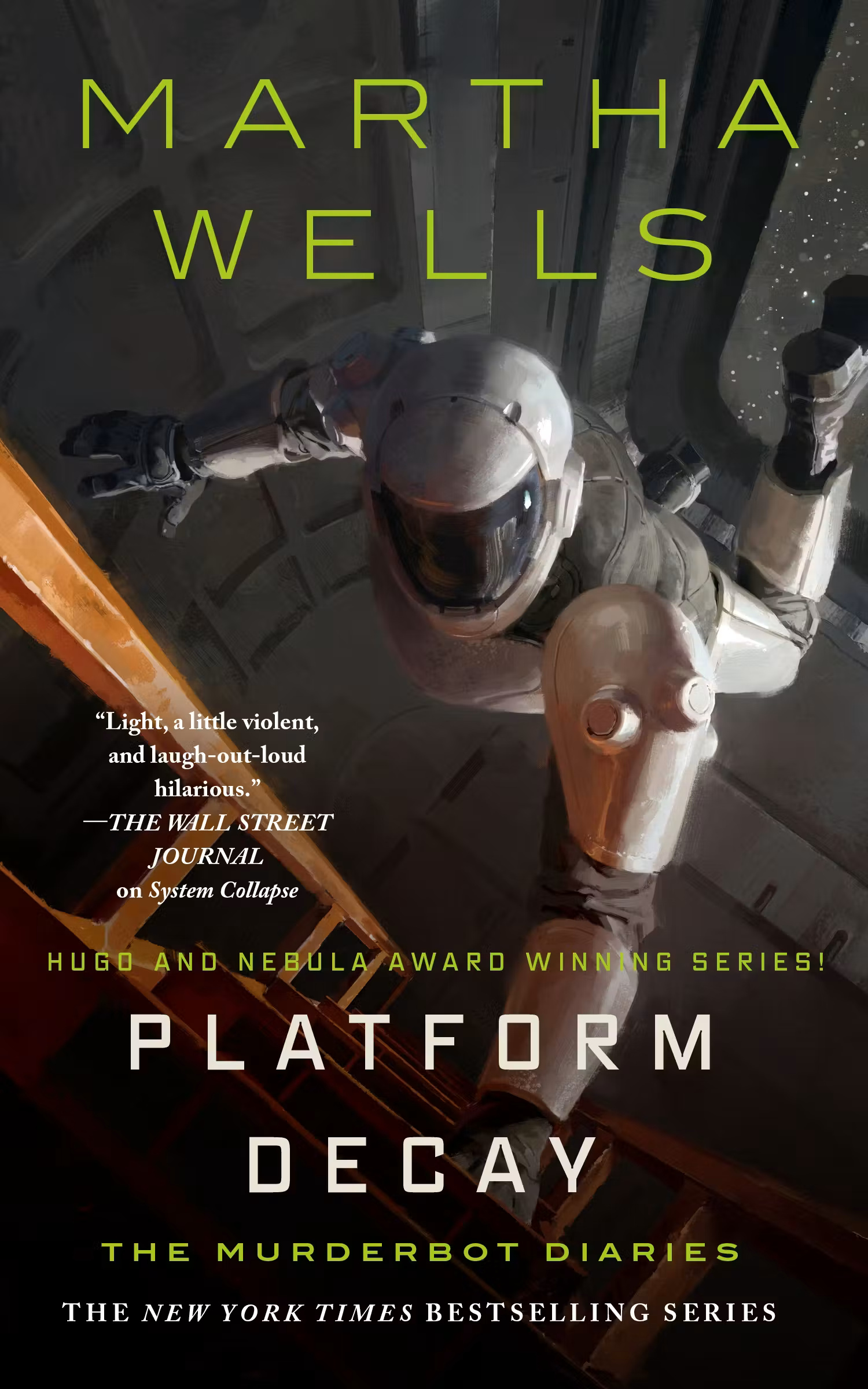
Halfway through this book, I was sure it was going to be the last time I read The Murderbot Diaries. The pacing really, really made me want to put it down. But the second half was classic Murderbot. Maybe I still have a few more in me. I guess we’ll see when I get to Platform Decay.