Stories of Your Life and Others
View as Markdown
Review
Stories of Your Life and Others, by , is a collection of 8 short stories and novellas. The concepts range from alien linguistics to the literal nature of God, but reading them together reveals a strict logical formula that sometimes lets the ideas overshadow the narratives.
Stories of Your Life and Others was my nomination for this month’s science fiction book club. I’ve wanted to read ’s work for 2 reasons. First, I appreciate how short stories—like Lena or I Sexually Identify as an Attack Helicopter—can explore big ideas in a stripped-down way. Second, authors I love, like , speak incredibly highly of him.
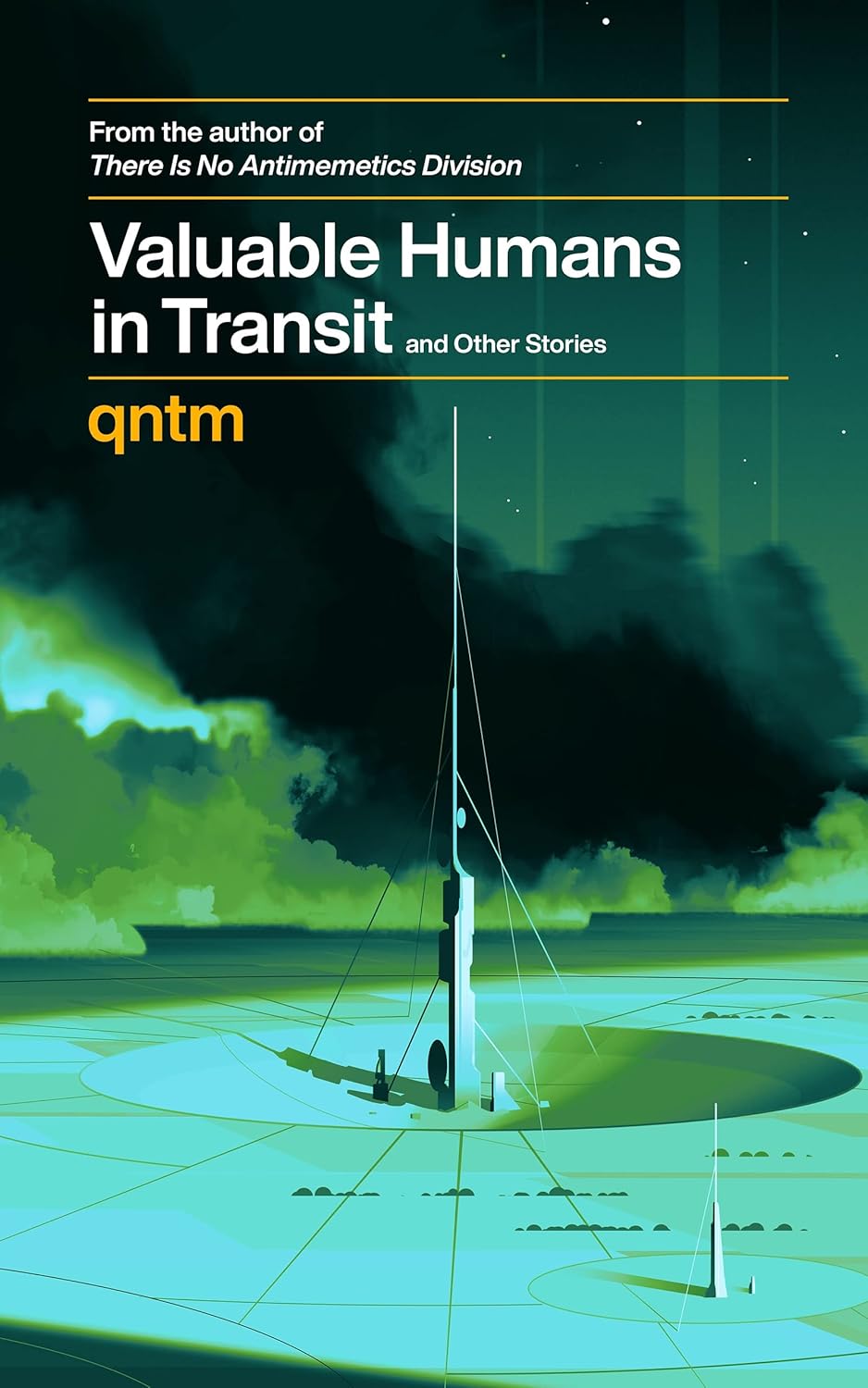

’s stories all have fantastic ideas, but reading Stories of Your Life and Others made me realize they rely on a formula:
- Take an axiom.
- Turn the crank and see what happens.
- QED, the ending follows logically from the first 2.
Every story is different, very different, but that formula makes them all feel the same. They are at their worst when he just works through the idea logically without adding anything more. It’s the same problem I have with , which I discussed in my review of Ubik: ideas alone aren’t enough to carry a story. Fortunately, doesn’t leave all of his concepts bare. His stories are best when he does something subversive with his formula, like in Hell Is the Absence of God, or adds rich worldbuilding, as in Tower of Babylon.
Tower of Babylon
Tower of Babylon assumes Ptolemaic cosmology is correct and treats the construction of the Tower of Babel as a real mega-project. It’s a simple story about a group of miners climbing the tower to dig their way into Heaven, and I really enjoyed the details includes about the tower, how the people on each level live, and the journey the miners make.
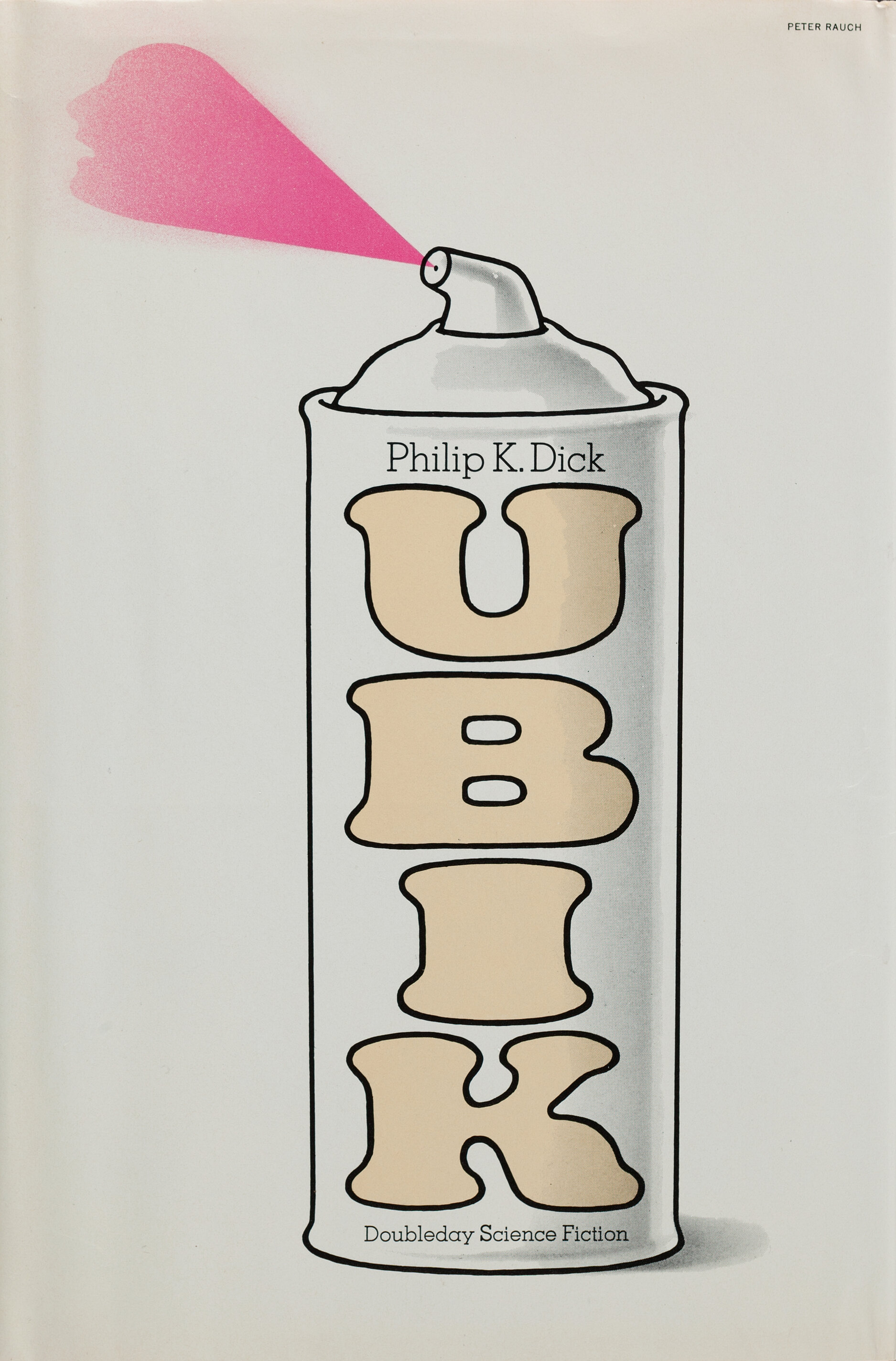
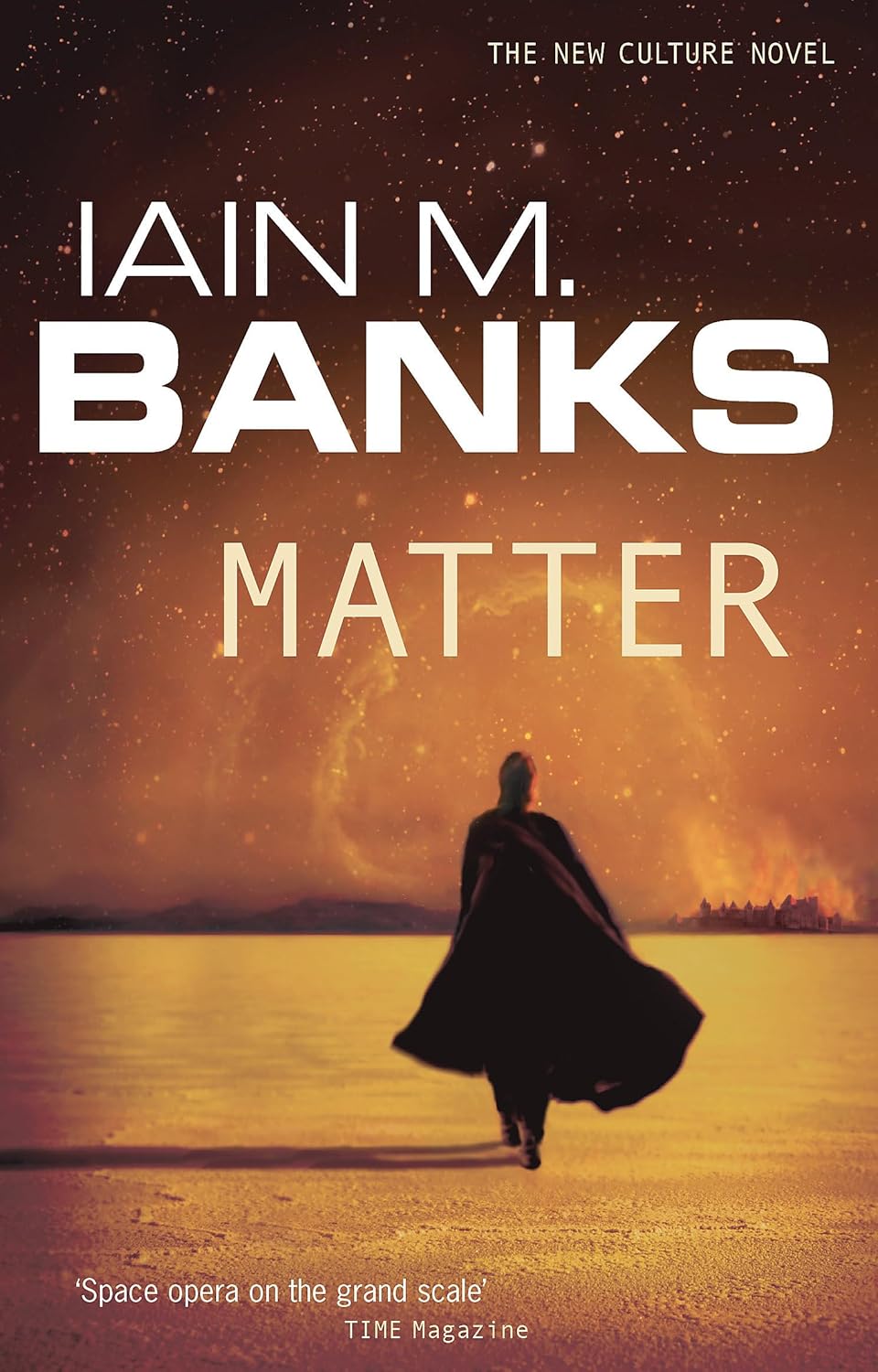
During the story, the guide tells the narrator about a time when a star crashed into the tower. Stars as literal, physical objects moving past the characters reminded me of ’s Matter, with its rollstars that roll on tracks set in the ceiling of each level of Sursamen. It made me realize that also based his shellworlds on Ptolemaic cosmology: giant towers to support the heavens, a world of concentric shells, and stars on tracks.
Understand
In Understand, a brain-damaged man is given an experimental treatment that continuously increases his intelligence until he can see the patterns behind everything and discovers another super-intelligence that’s been watching him. It’s a response to ’s Flowers for Algernon, but without the eventual slide that adds emotional weight.

When I read this story, I had not yet figured out ’s writing pattern, so I kept second-guessing where the story was going. I was sure the protagonist was delusional, but no, the doctors really are trying to trick him, the CIA really is watching. It’s my main critique of ’s writing: his proof-like structure makes it hard to be taken by surprise.
Division by Zero
A mathematician disproves the consistency of arithmetic, allowing her to show that 1 = 2. Her proof shatters her view of math and drives her to attempt suicide, while her husband struggles with the realization that he no longer understands her.
There is some clever narrative structure related to the math: comparing things that are similar and showing how different they are (the mathematician and her husband), or how things that seem different can be the same (understanding and not understanding). But in the end, I didn’t really connect with the characters.
Story of Your Life
Story of Your Life, the basis for the feature film Arrival, is probably the most famous story in the collection. It’s about first contact between humans and heptapods, narrated by one of the linguists trying to decipher the language. As she learns it, she realizes that heptapods experience time differently than humans do, and that learning their language makes her experience it the same way.
This is another good example of playing with structure: we experience the story the way the linguist does, with the future and the past mixed together. Her tenses slip when she talks about her daughter, and like Tower of Babylon, the story begins where it ends.
The heptapods know what is going to happen, but they do it anyway because otherwise what they know to be true wouldn’t be true. The narrator starts behaving the same way, having a child even though she knows it ends in tragedy, unable to avoid it and not wanting to.
Telling a story out of order in time reminded me of how tells a story forward and backward in Use of Weapons. Both authors use the narration itself to hide clues for the reader: through wrong tenses, by never naming the protagonist.

Seventy-Two Letters
Seventy-Two Letters assumes the world actually works roughly how 17th-century scientists and mystics thought it did. Golems are real and animated by a Kabbalistic name (the titular 72 letters). Reproduction happens not via sperm and egg but via a homunculus already in a man’s body when he is born. And the human race is 5 generations from extinction.
I’ve read stories where authors use mysticism to make technology feel unknowable, like ’s Vodou Loa in Count Zero, or the Adeptus Mechanicus praying to machine spirits in Warhammer 40,000. does the exact opposite. Like ’s treating Sumerian myth as a literal language-virus in Snow Crash, he takes mysticism and treats it strictly as a technology. Names as programming and math; golems as industrial machines.


The golems reminded me of modern large language models. Both take instructions and carry them out in a manner that only humans could before, and as the golems improve, they start replacing humans at skilled crafts. We might be starting to see the same thing with our own language golems, piles of words given thought, as they completely replace manual programming.
This story has a lot of interesting branches: golems as a replacement for skilled labor, and the guild’s objection to golems building each other; the way names are factored and studied to create new ones; the coming end of the world; the interplay between the politics of the poor and the gentry. But is only interested in how they serve the plot, not in exploring their consequences. That’s why I didn’t like this story. It was too short to make use of all its ideas.
The Evolution of Human Science
A very short story in the form of a letter from a scientific journal editor to their readers. The narrator writes about how humans no longer do science now that smarter metahumans have surpassed them, and how human scientists can no longer understand what is going on.
Despite its short length, the story hints at deep questions: What do you do when your life’s work moves beyond your ability? Should you allow your children to become metahuman, knowing you won’t be able to understand them? As a parent, I find that last question poignant because we never truly understand our children; they grow up in a different world than we did.
But we don’t need metahumans to see this happening. Science has already become so specialized that no one can understand more than a tiny fraction of it, with thousand-person collaborations needed to advance the field. And now LLM-assisted math proofs are solving problems humans spent decades failing at, through a new form of intelligence.
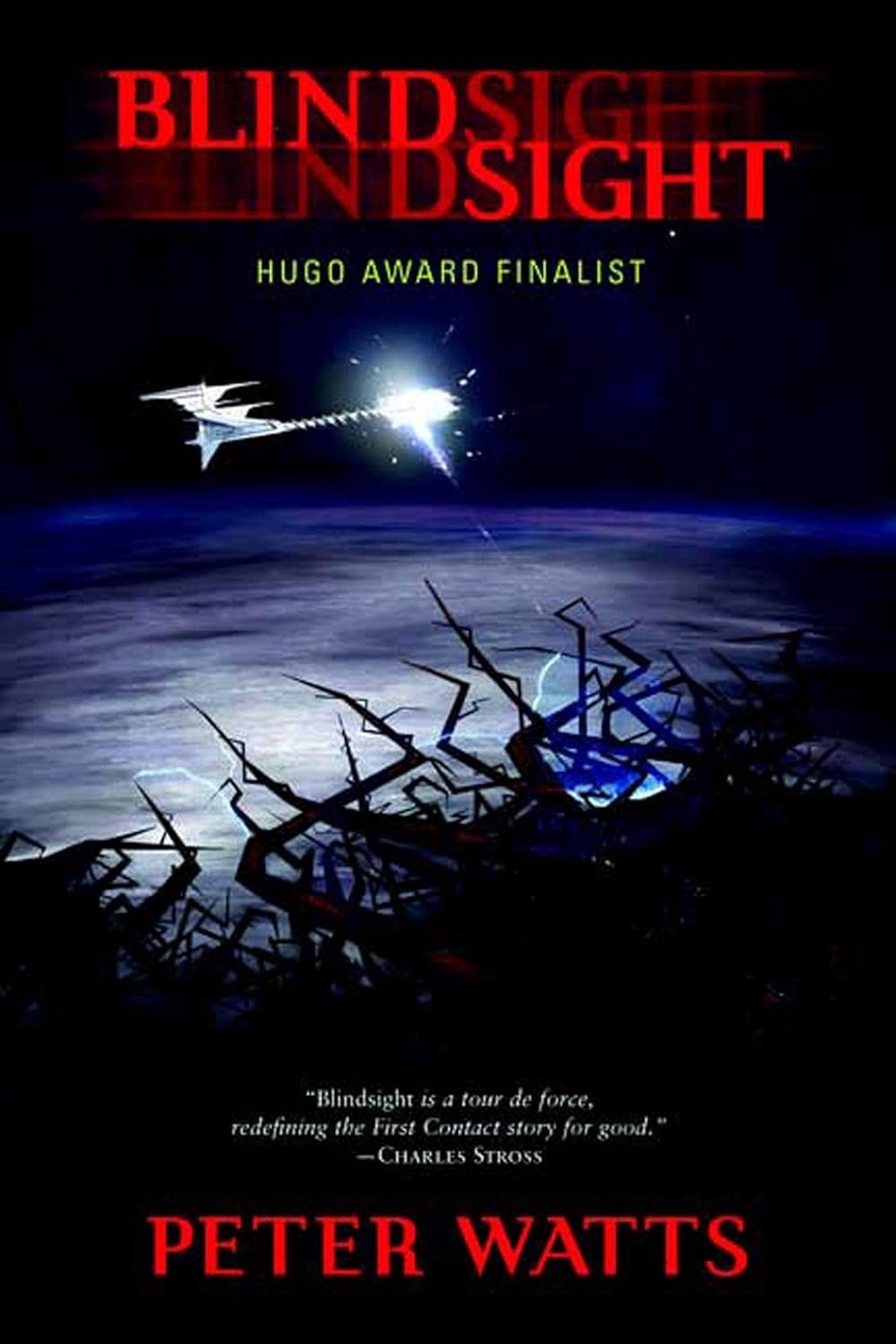
Structurally, The Evolution of Human Science is similar to ’s Lena, which uses a dry Wikipedia article format to deliver its horror. The dissonance between the tone and content is what makes it work. Here, the letter-from-the-editor is also dry, but the content isn’t disturbing enough for the juxtaposition to be effective. The story also reminded me of Siri Keeton, the “synthesist” narrator of ’s Blindsight. Just like the scientists, Keeton interprets the actions and responses of posthuman (and alien) intellects into something baseline humans can understand.
Hell Is the Absence of God
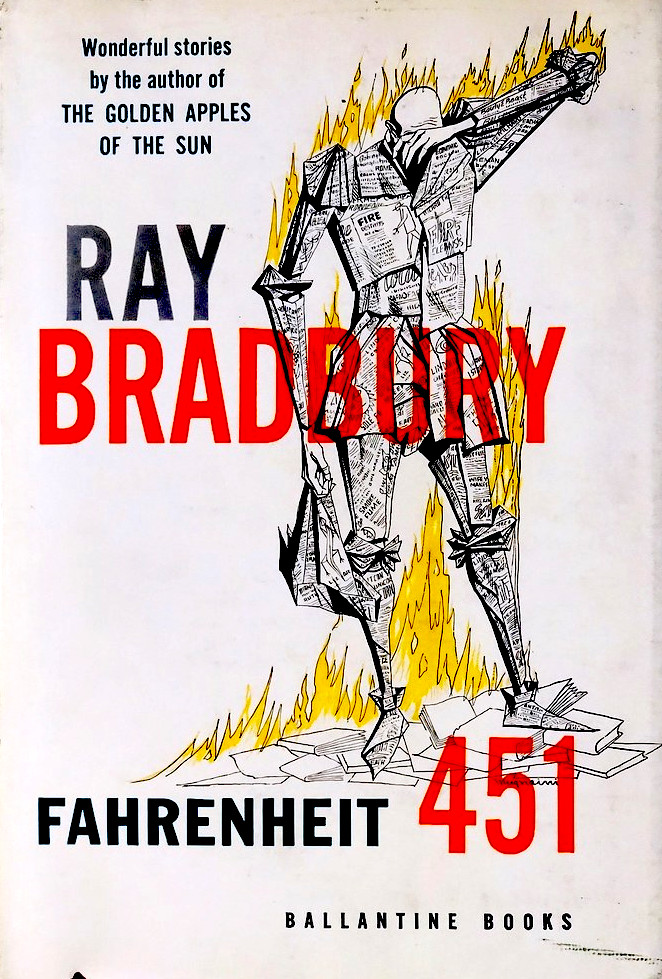
In my review of ’s Fahrenheit 451, I said: “Some of my favorite books have structures that reinforce their themes.” Hell Is the Absence of God was my favorite story in Stories of Your Life and Others because it subverts ’s formula and, in doing so, reinforces the theme of the work.
The axiom in this story is “God is real, His acts are quantifiable”. follows it to its logical conclusion: angelic visitations are treated like weather and reported on the news; statistics on who is damned and who ascends are tracked; people flock to places where angels often emerge, hoping for miracles. Neil Fisk’s wife was killed in a visitation and ascended to Heaven. Neil doesn’t love God, and so knows he won’t be reunited with her. But he also knows that if you view Heaven’s light when an angel emerges, you are rewritten to unconditionally love God and always ascend to Heaven. He sets out to see it.
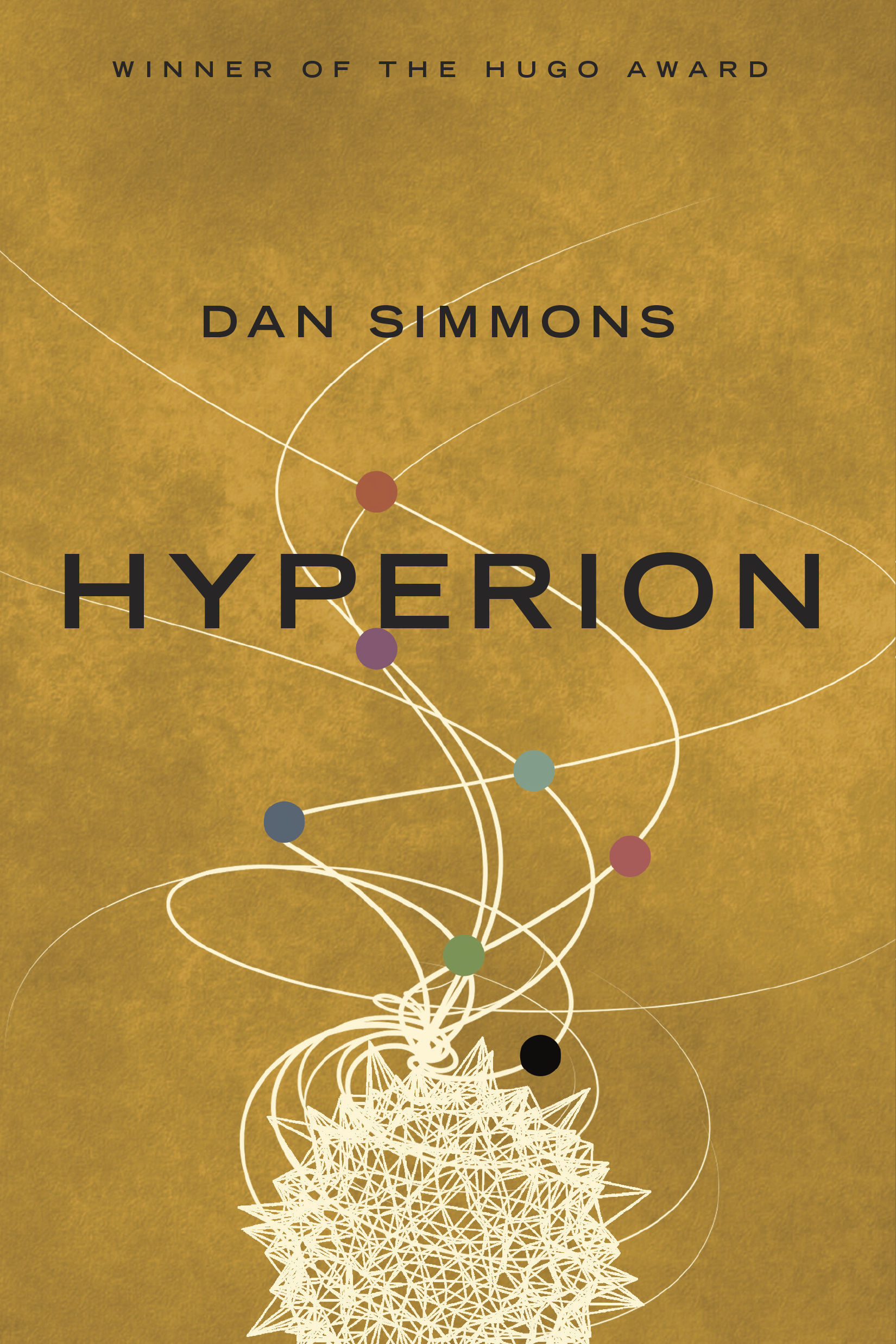
Neil’s reliance on the quantifiable system of God is similar to Sol Weintraub from ’s Hyperion. Despite Sol being an academic expert on God’s covenant and ’s Fear and Trembling, all of his theological mastery is useless when a god-like entity demands the sacrifice of his daughter, Rachel. He cannot outdebate the absolute. Neil tries the same, reasoning: if A (see the light), then B (love God), then C (salvation).
Neil succeeds in glimpsing Heaven’s light, comes to love God unconditionally, and is sent to Hell anyway. breaks the chain of logic he followed so steadfastly in the rest of the stories, and in doing so shows you that God isn’t just, God isn’t kind, God—even in a world where you think you can write down rules that He follows—is Sovereign.
This story, with its natural-disaster-like angels, reminded me of Neon Genesis Evangelion, where angels are alien, terrifying, and an extinction-level threat. It’s also similar to ’s A Colder War in how it takes the cosmic and grounds it in the real world.
Liking What You See: A Documentary
This story takes the form of a documentary script about calliagnosia, a reversible procedure that makes people blind to how attractive someone is. A college holds a vote to require students to have calliagnosia, which sparks debate: Should it be mandatory? Is it ethical to force people to use it? The vote fails, but not because of the debate—advertisers release a new modification that makes people unnaturally charismatic and use it to persuade students.
The idea is similar to ’s Harrison Bergeron, in which people are made equal by handicapping everyone to the same level. But where comes down clearly on the anti-handicap side, leaves his questions open.
The story is great as a discussion prompt: my book club spent some time having the same debate. But it’s another of ’s great idea stories, without that “something else” to elevate it.