The Event
View as Markdown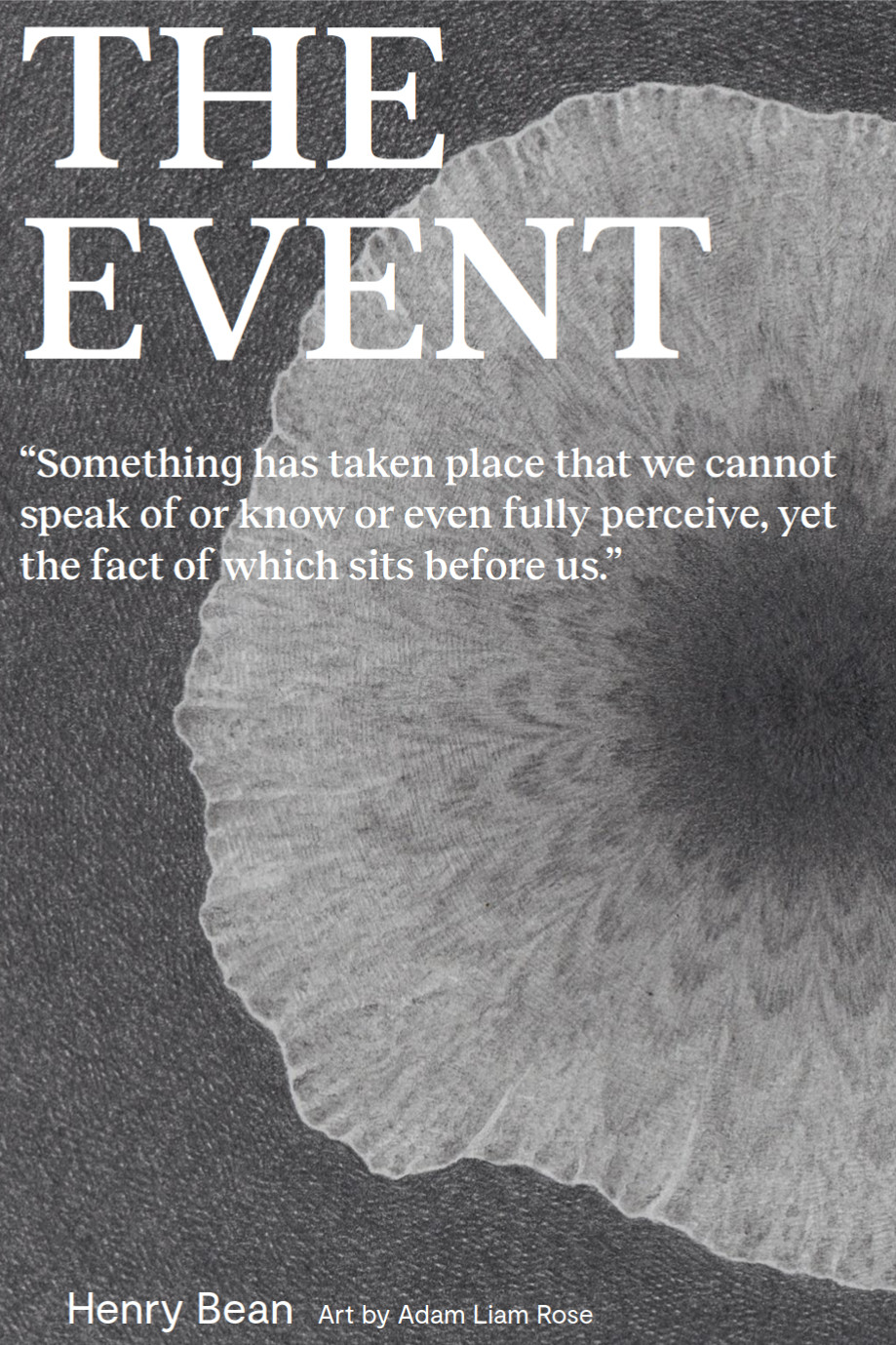
Review
The Event, by , is a short story about the destruction of Israel and Palestine, narrated by a researcher who can barely keep his own life together.
The Event takes the form of a fake academic report, published in Jewish Currents, about a supernatural fire that engulfed Israel and Palestine. It explores how some topics can’t be acknowledged or discussed: they can only be approached indirectly. The mysterious fire is one such subject. Little is known about it, people are starting to forget it, and they subconsciously avert their gaze when near it. This plays out at every scale, from satellites going blind to the armies of Egypt crossing into the fire, unaware that the troops ahead of them have been incinerated. The narrator has the same problem with his own life, unable to face his failures or the people he’s hurt; it slowly leaks into his report. And the story itself, of course, is a way to address the Israeli–Palestinian conflict obliquely.
The structure reinforces the theme. It starts as a dry academic report complete with citations, but the footnotes, at first ordinary, soon begin revealing the narrator’s life: his failed marriage, calling his Jewish ex-wife at 1:30 AM, and then trying to take it back by stating it’s all irrelevant. By the end, the report is more about him than the research. The story is a mix of ’s House of Leaves, which uses footnotes to tell a parallel story, and ’s Lena and ’s The Evolution of Human Science, which use dry formatting to heighten the emotional content of the prose.
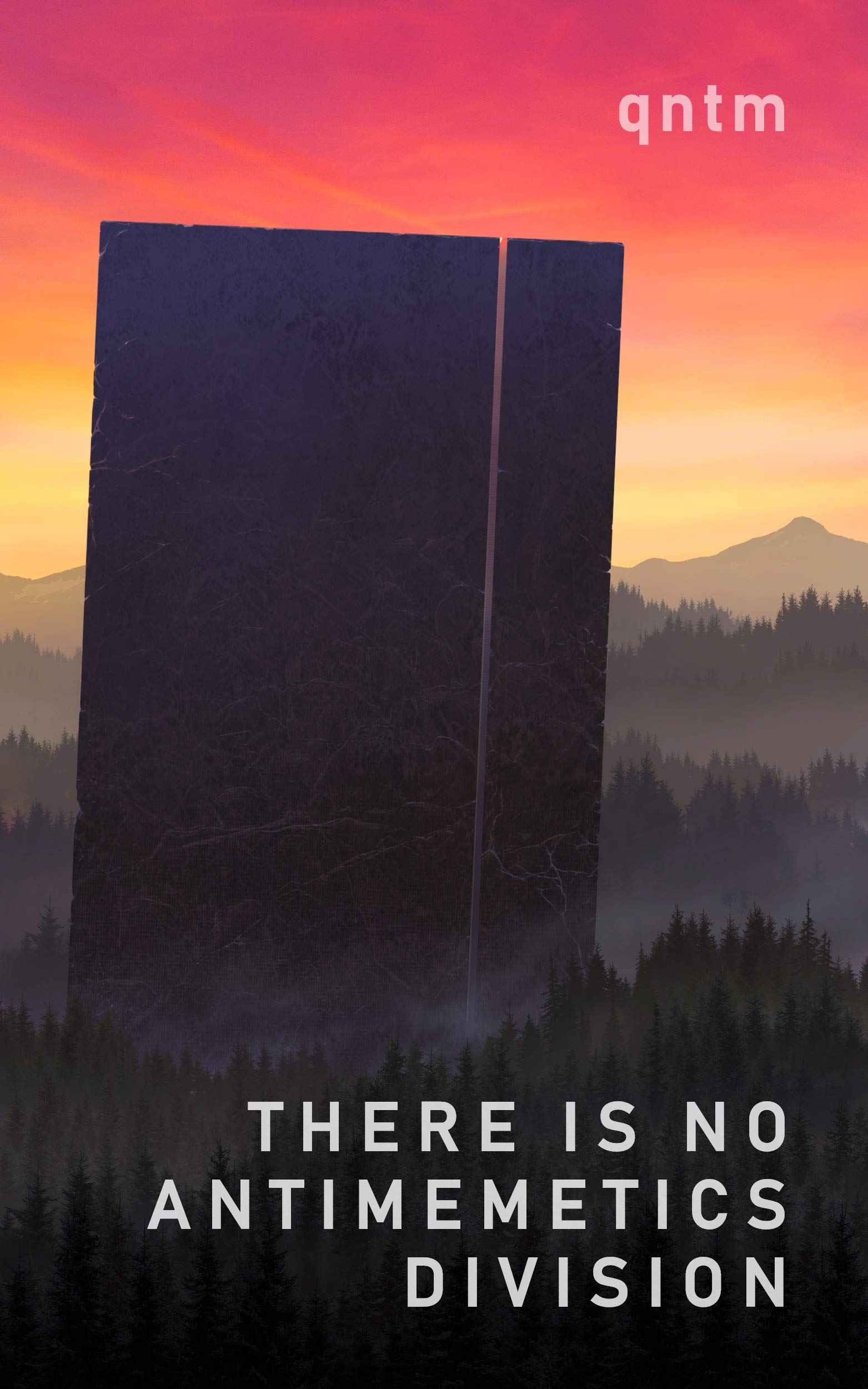
The Event is similar to and ’s Roadside Picnic; both have a mysterious zone that humanity is trying, and failing, to understand. Using fiction to approach a taboo subject is what does with gender in I Sexually Identify as an Attack Helicopter. And the way people can’t quite comprehend the zone, going so far as to literally not look at it, reminds me of the antimemes from ’s There Is No Antimemetics Division.
does a great job of fitting so much into this short story—politics, grief, the narrator’s self-destruction—all without focusing on any of it directly. It is free to read; I recommend giving it a shot.