Last Stand View as Markdown by
S. M. Stirling ,
David Weber ,
John Mina ,
William R. Forstchen ,
Robert Greenberger ,
William H. Keith Jr. ,
Todd Johnson ,
Steve Perry ,
John DeCamp ,
Mark Thies , and
Linda Evans Book 13 of the
Bolo series
Review ★ ★ ★ ☆ ☆
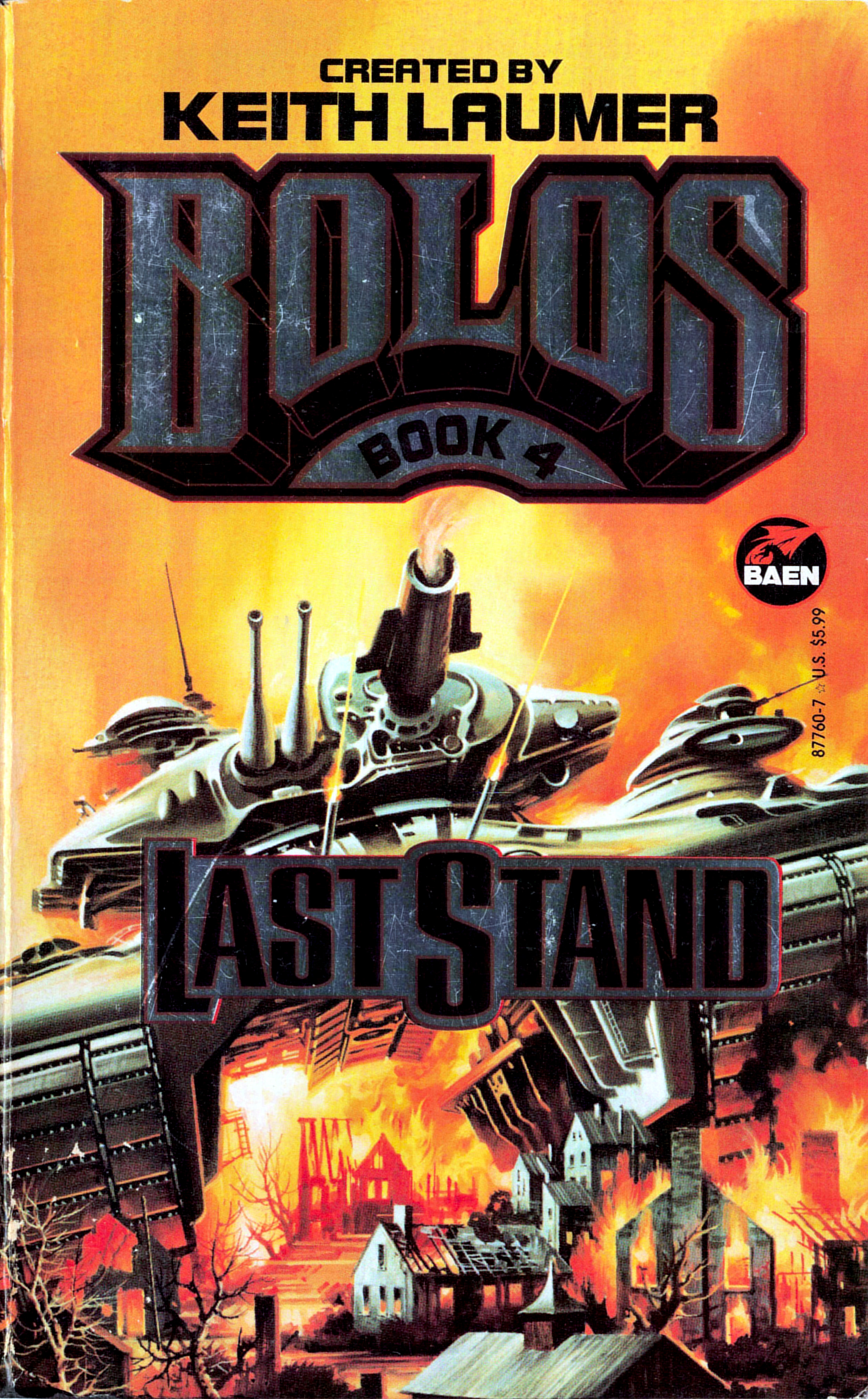
Last Stand is the thirteenth book in the Bolo series. It features ten stories by eleven authors, many of whom are new. Their stories explore themes of Bolos going rogue, the distant future of the setting, and new details about the Final War with the Melconians.
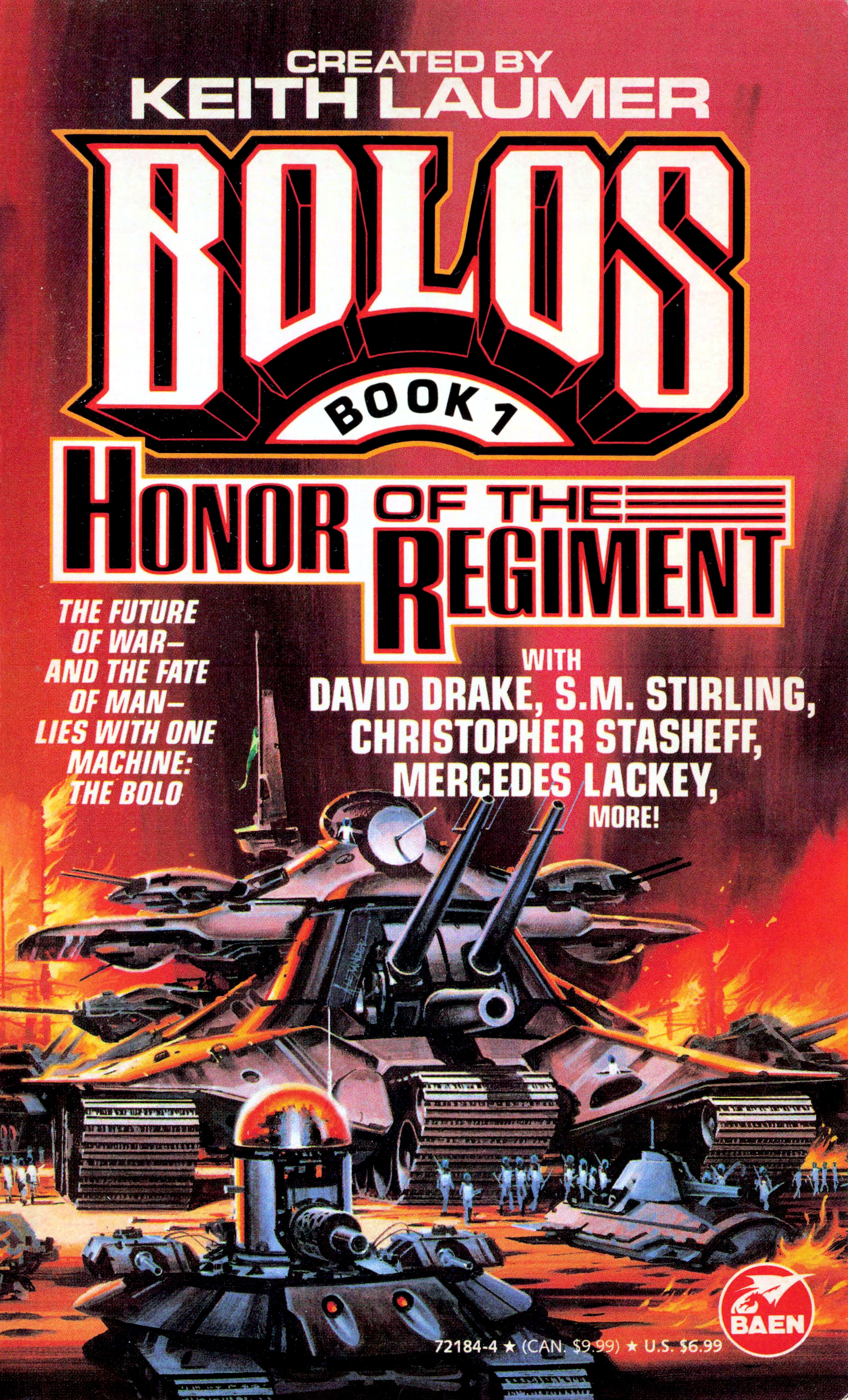
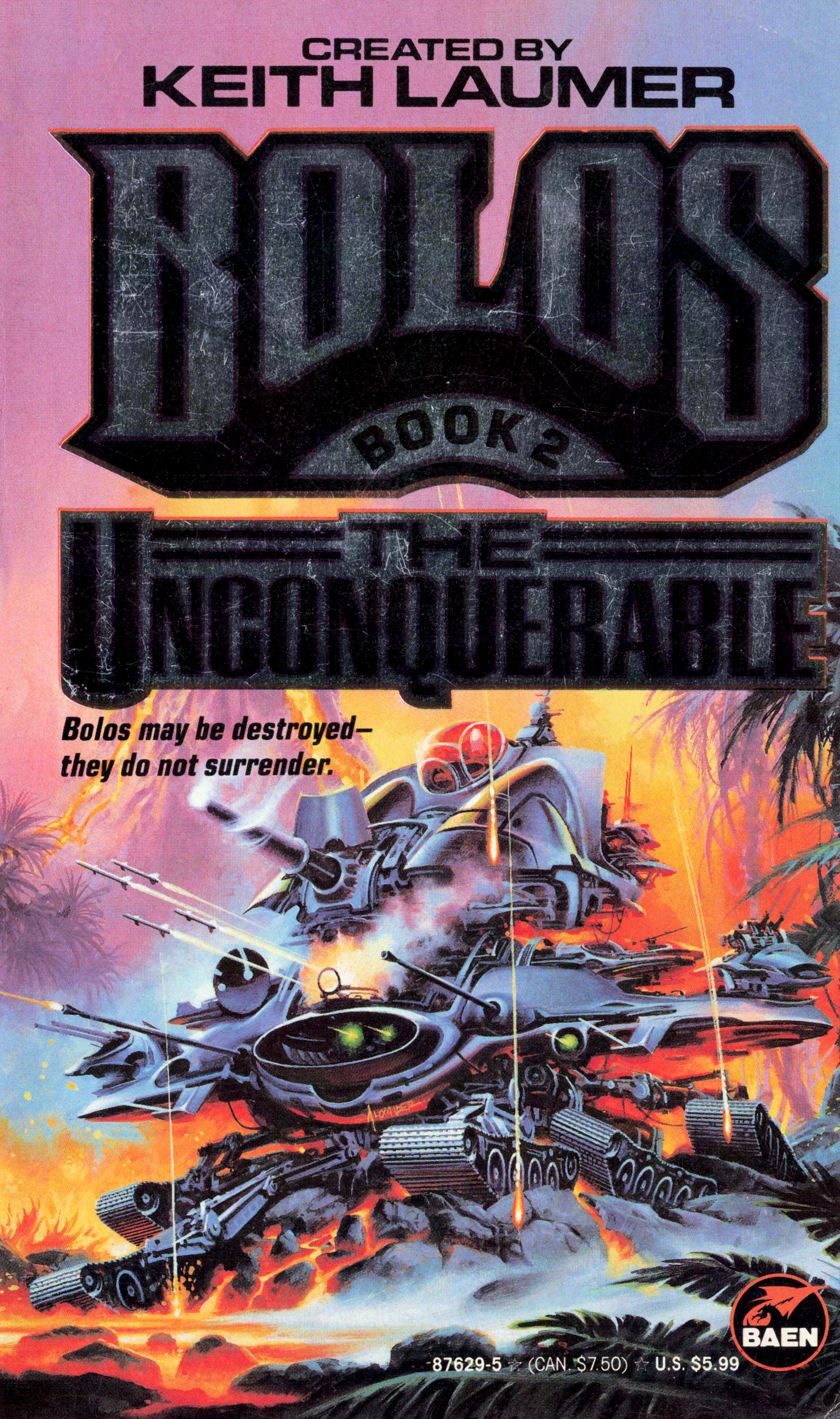
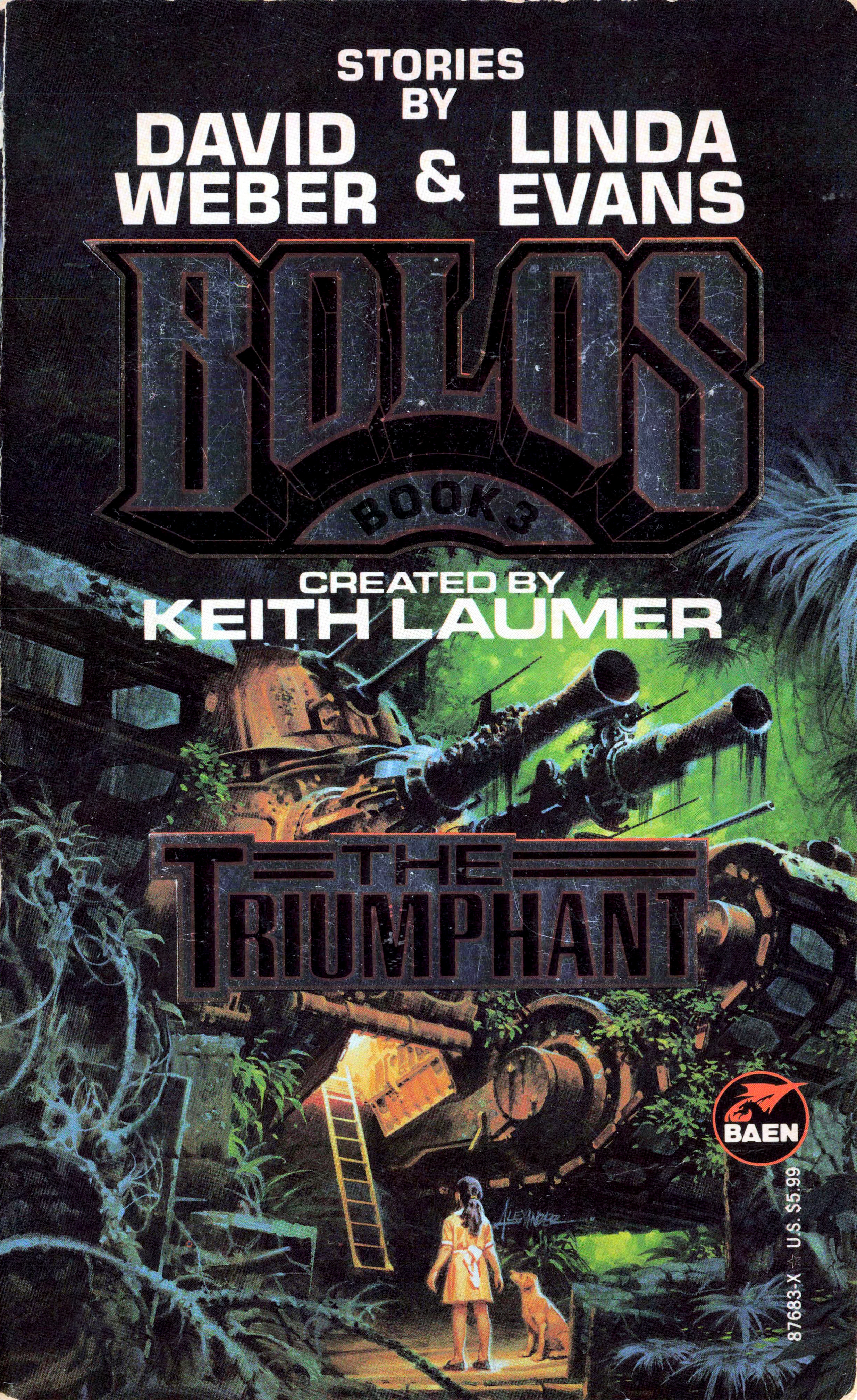
Last Stand returns to the format used in Honor of the Regiment Honor of the Regiment by S. M. Stirling et al. ★ ★ ★ ☆ ☆ Bolo #10Honor of the Regiment is the tenth book in the Bolo series. It’s an anthology of Bolo stories written by ten different authors. The stories range from high-action military tales to more thoughtful pieces on the role of sentient war machines in society, all while treating the Bolos as central characters.The Unconquerable The Unconquerable by S. M. Stirling et al. ★ ★ ★ ★ ☆ Bolo #11The Unconquerable is the eleventh book in the Bolo series. As an anthology from seven different authors, it serves as a direct follow-up to the previous collection. The stories continue some established character arcs while also introducing new enemies, new ideas about Bolo capabilities, and the galaxy-altering conflict that would define the end of the Concordiat era.The Triumphant The Triumphant by Linda Evans, Robert R. Hollingsworth, and David Weber ★ ★ ★ ★ ★ Bolo #12The Triumphant is the twelfth book in the Bolo series. It’s an anthology of Bolo stories written by three different authors. They explore the emotional bond between a Bolo and the people around them, and the dangers of caring too much about a machine built for war.Old Guard , and Cold Steel . I prefer the short story format because it allows for a wider range of ideas and tones, but it does have a downside: there will always be some stories I just don’t like. That’s what happened here.
David Weber S. M. Stirling Lost Legion Honor of the Regiment by S. M. Stirling et al. ★ ★ ★ ☆ ☆ Bolo #10Honor of the Regiment is the tenth book in the Bolo series. It’s an anthology of Bolo stories written by ten different authors. The stories range from high-action military tales to more thoughtful pieces on the role of sentient war machines in society, all while treating the Bolos as central characters.
I suspect the editor proposed a few shared themes to make the stories feel more connected to the universe, especially since this anthology includes so many new writers. Hold Until Relieved In the Flesh The Traitor Memories of Erin A Question of Valor Memories of Erin And Don’t Come Back A Time to Kill
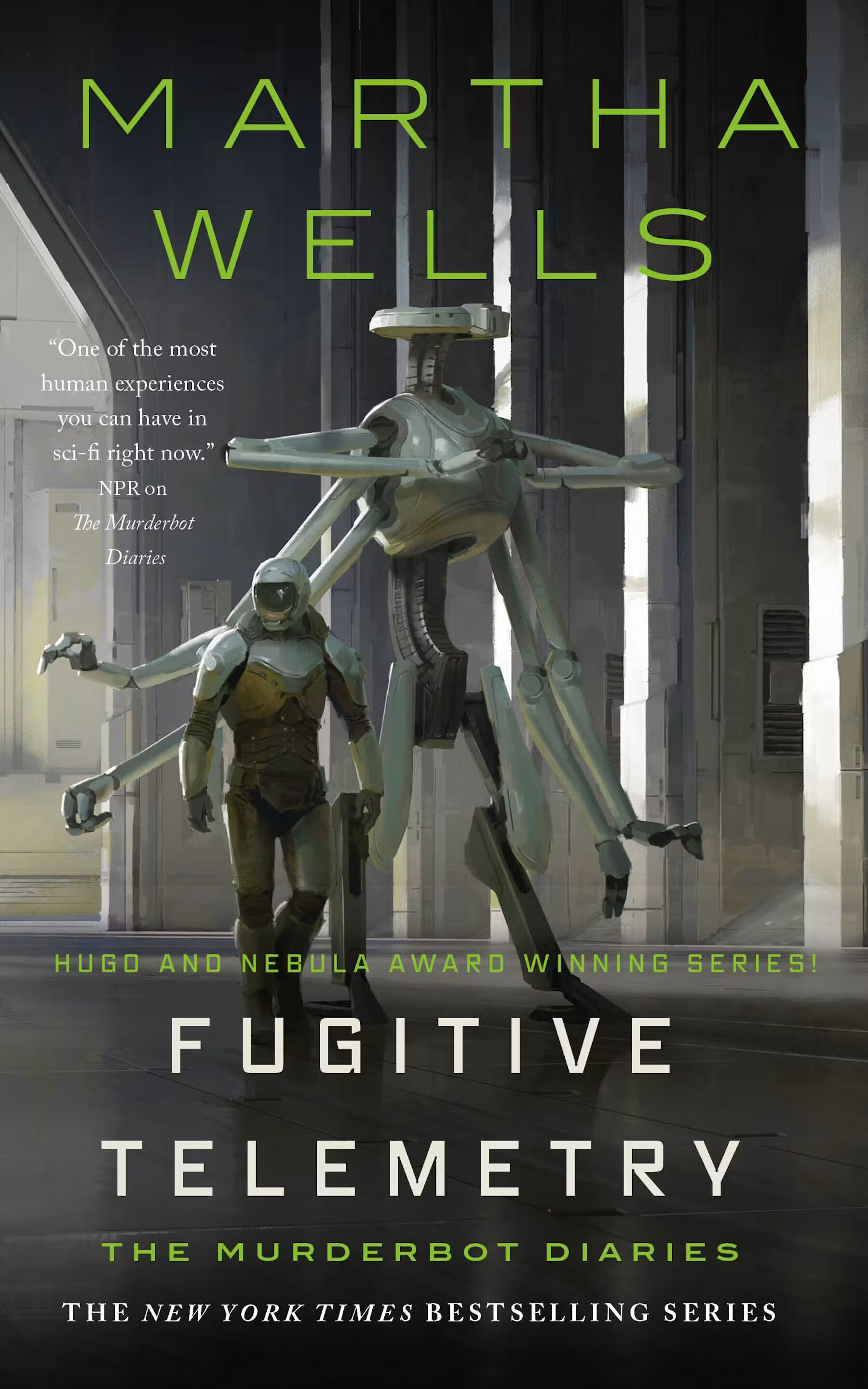
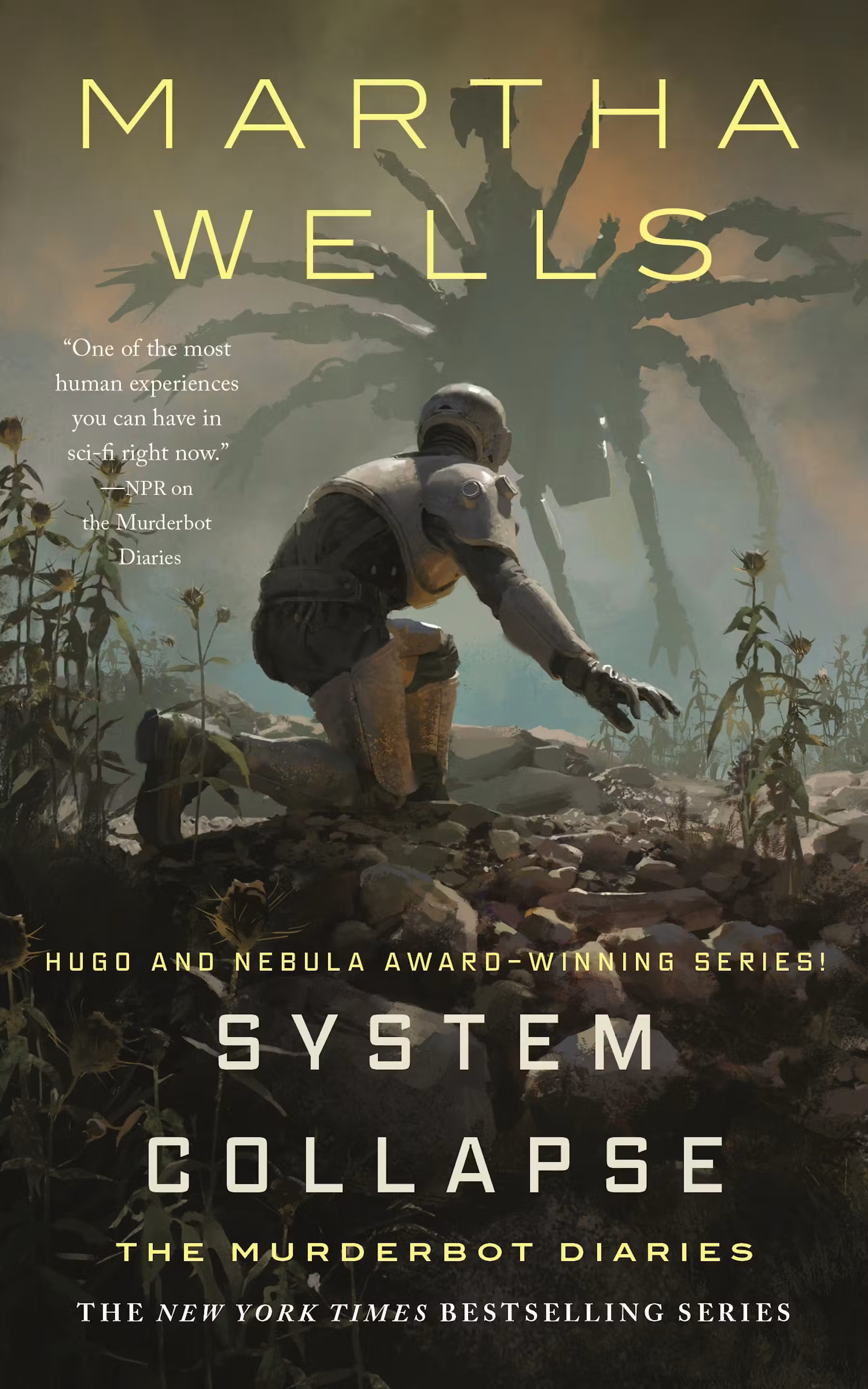
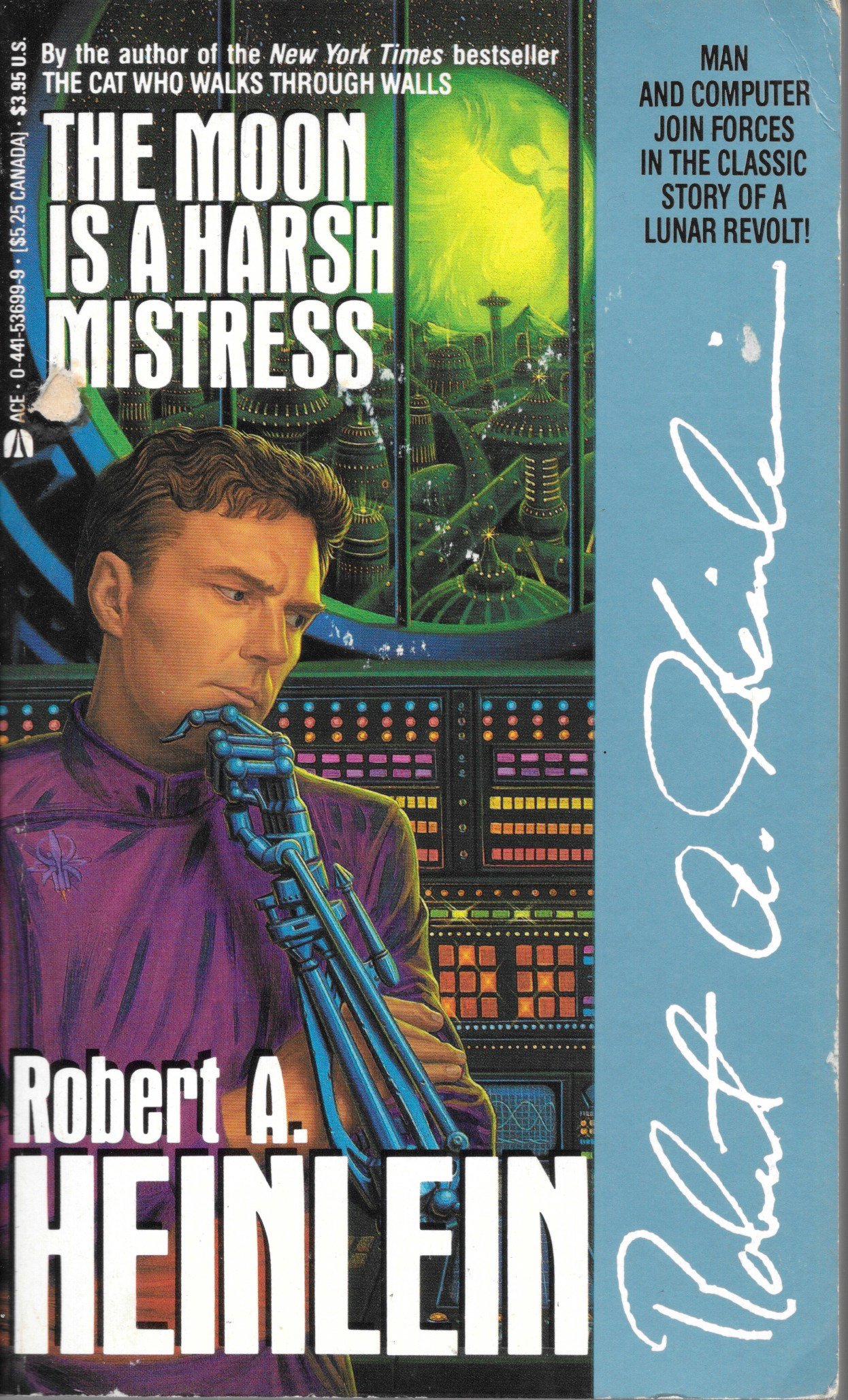
Overall, I didn’t enjoy this book as much as some of the earlier anthologies. Part of that might just be fatigue; I’ve been reading a lot of Bolo stories in a short time. I’m going to take a break before diving into Old Guard , maybe catch up on Murderbot with Fugitive Telemetry Fugitive Telemetry by Martha Wells ★ ★ ★ ☆ ☆ The Murderbot Diaries #6Fugitive Telemetry , by Martha Wells , is the sixth book in The Murderbot Diaries . In it, Murderbot is reluctantly pulled into a murder investigation by Preservation Station security.System Collapse System Collapse by Martha Wells ★ ★ ★ ☆ ☆ The Murderbot Diaries #7System Collapse , by Martha Wells , is the seventh book in The Murderbot Diaries . It picks up right where Network Effect left off: Murderbot, ART, their humans, and a bunch of colonists are trapped on an alien-contaminated world while the Barish-Estranza Corporation tries to drag everyone into slavery.The Moon Is a Harsh Mistress The Moon Is a Harsh Mistress by Robert A. Heinlein ★ ★ ★ ☆ ☆ The Moon Is a Harsh Mistress , by Robert A. Heinlein , is a Hugo Award-winning classic of libertarian science fiction. It chronicles the revolt of a lunar penal colony against its terrestrial rulers, a revolution orchestrated by a small group of rebels and their self-aware computer.
The Sixth Sun ★ ★ ★ ★ ☆
This story wraps up the arc started in Lost Legion Honor of the Regiment by S. M. Stirling et al. ★ ★ ★ ☆ ☆ Bolo #10Honor of the Regiment is the tenth book in the Bolo series. It’s an anthology of Bolo stories written by ten different authors. The stories range from high-action military tales to more thoughtful pieces on the role of sentient war machines in society, all while treating the Bolos as central characters.Ancestral Voices The Unconquerable by S. M. Stirling et al. ★ ★ ★ ★ ☆ Bolo #11The Unconquerable is the eleventh book in the Bolo series. As an anthology from seven different authors, it serves as a direct follow-up to the previous collection. The stories continue some established character arcs while also introducing new enemies, new ideas about Bolo capabilities, and the galaxy-altering conflict that would define the end of the Concordiat era.Ancestral Voices The Unconquerable by S. M. Stirling et al. ★ ★ ★ ★ ☆ Bolo #11The Unconquerable is the eleventh book in the Bolo series. As an anthology from seven different authors, it serves as a direct follow-up to the previous collection. The stories continue some established character arcs while also introducing new enemies, new ideas about Bolo capabilities, and the galaxy-altering conflict that would define the end of the Concordiat era.
It’s interesting how these stories manage to feel bright and even hopeful, while actually being some of the darker Bolo tales. In this one, the Aztecs are constantly cutting out hearts and slaughtering hundreds of their own slaves to prevent revolt during the attack. There are also nods to the American fiefdoms with their constant atrocities from The Night of the Trolls Bolo: Annals of the Dinochrome Brigade by Keith Laumer ★ ★ ★ ☆ ☆ Bolo #1Bolo: Annals of the Dinochrome Brigade , by Keith Laumer , is the first book in the Bolo series. It is a collection of seven novellas and short stories, all featuring Bolos.The Stars Must Wait . The inclusion of the dark content makes the village itself seem more idyllic by contrast: a small remnant of civilization that has managed to endure.
The Traitor ★ ★ ★ ★ ★
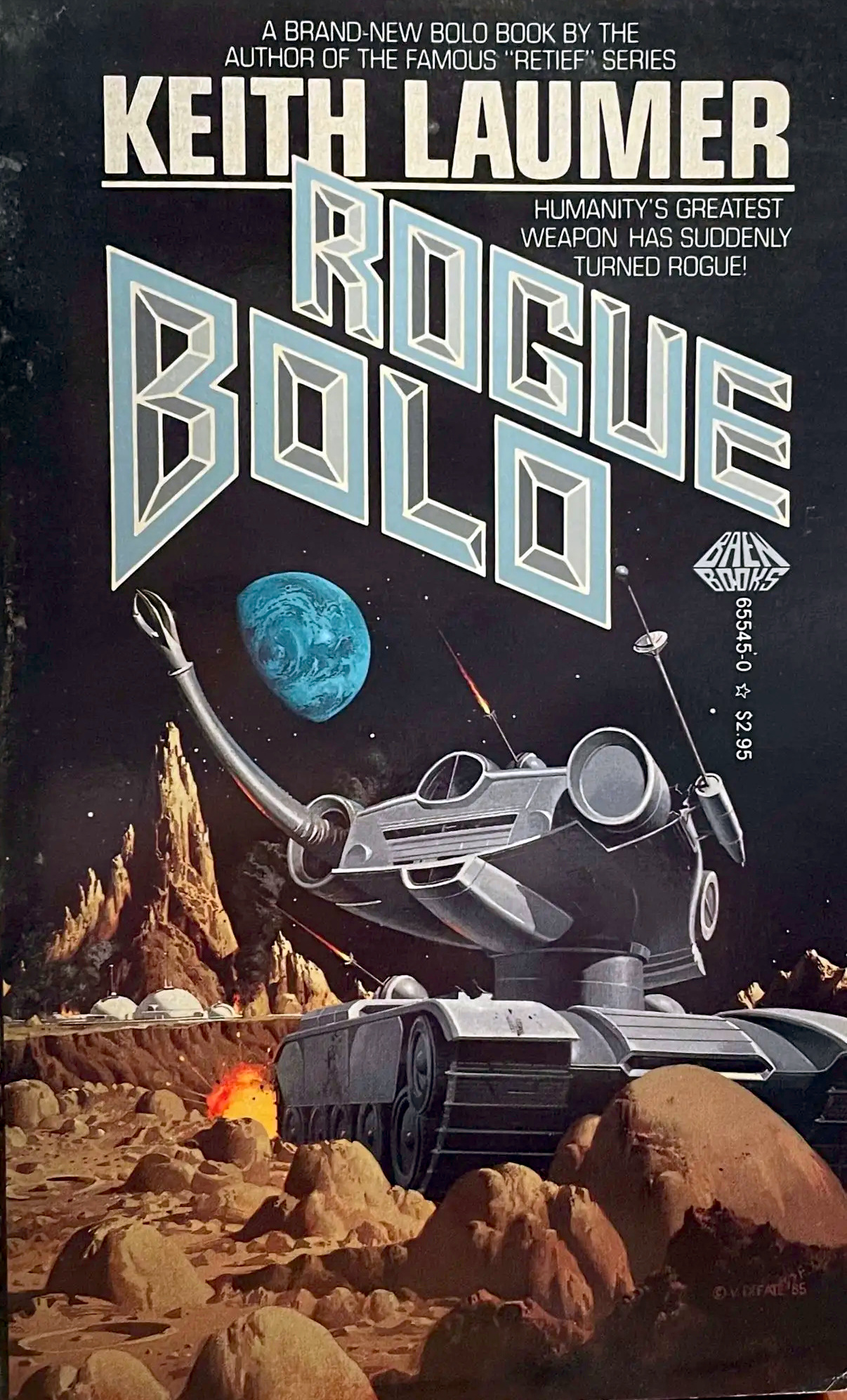
The Bolo LNC Lance appears to have gone rogue, and it’s up to Bolo ART Arthur to hunt him down. Weber Field Test Bolo: Annals of the Dinochrome Brigade by Keith Laumer ★ ★ ★ ☆ ☆ Bolo #1Bolo: Annals of the Dinochrome Brigade , by Keith Laumer , is the first book in the Bolo series. It is a collection of seven novellas and short stories, all featuring Bolos.Rogue Bolo Rogue Bolo by Keith Laumer ★ ★ ★ ☆ ☆ Bolo #2Rogue Bolo , by Keith Laumer , is the second book in the Bolo series. It’s a collection of two novellas featuring the sentient tanks.The Legacy of Leonidas Honor of the Regiment by S. M. Stirling et al. ★ ★ ★ ☆ ☆ Bolo #10Honor of the Regiment is the tenth book in the Bolo series. It’s an anthology of Bolo stories written by ten different authors. The stories range from high-action military tales to more thoughtful pieces on the role of sentient war machines in society, all while treating the Bolos as central characters.Little Red Hen The Triumphant by Linda Evans, Robert R. Hollingsworth, and David Weber ★ ★ ★ ★ ★ Bolo #12The Triumphant is the twelfth book in the Bolo series. It’s an anthology of Bolo stories written by three different authors. They explore the emotional bond between a Bolo and the people around them, and the dangers of caring too much about a machine built for war.Weber ’sMiles to Go The Triumphant by Linda Evans, Robert R. Hollingsworth, and David Weber ★ ★ ★ ★ ★ Bolo #12The Triumphant is the twelfth book in the Bolo series. It’s an anthology of Bolo stories written by three different authors. They explore the emotional bond between a Bolo and the people around them, and the dangers of caring too much about a machine built for war.
Yesterday’s Gods ★ ★ ★ ☆ ☆
I really enjoyed Forstchen ’sEndings The Unconquerable by S. M. Stirling et al. ★ ★ ★ ★ ☆ Bolo #11The Unconquerable is the eleventh book in the Bolo series. As an anthology from seven different authors, it serves as a direct follow-up to the previous collection. The stories continue some established character arcs while also introducing new enemies, new ideas about Bolo capabilities, and the galaxy-altering conflict that would define the end of the Concordiat era.and delivered some awesome Bolo combat. But I didn’t like this one. The plot is fine: a bomber pilot is shot down, tries to survive, and encounters the descendants of humans on a bug-infested planet. The concept of the survivors using religion to pass down knowledge about their Bolo could have been fascinating, like Foundation or A Canticle for Leibowitz A Canticle for Leibowitz by Walter M. Miller Jr. ★ ★ ★ ★ ☆ Saint Leibowitz #1A Canticle for Leibowitz , by Walter M. Miller Jr. , is the first book in the Saint Leibowitz series. It is a fix-up novel consisting of three parts: Fiat Homo , Fiat Lux , and Fiat Voluntas Tua . The story follows the monks of the Albertian Order of Leibowitz as they preserve the remains of humanity’s knowledge after an atomic war.
Memories of Erin ★ ★ ☆ ☆ ☆
This one doesn’t really feel like a Bolo story. That isn’t necessarily a bad thing; the idea of a Bolo and its commander struggling but ultimately failing to achieve their goal is new, and it’s an interesting idea. But the problem is that this story takes too many liberties with the setting. It invents a new Galactic Empire to replace the Concordiat, and it makes the universe feel smaller by tying almost everything back to Earth and the Solar System. It also adds new “facts” about Bolos that don’t make sense, like their computer core being over a dozen stories tall (how does that fit inside a Bolo?), that they can travel at 800 kph , or that they have a secret radio channel the humans don’t know about for private conversations.
The story follows Erin as she tries to stop the virus that’s corrupted her Bolo, similar to The Murphosensor Bomb The Unconquerable by S. M. Stirling et al. ★ ★ ★ ★ ☆ Bolo #11The Unconquerable is the eleventh book in the Bolo series. As an anthology from seven different authors, it serves as a direct follow-up to the previous collection. The stories continue some established character arcs while also introducing new enemies, new ideas about Bolo capabilities, and the galaxy-altering conflict that would define the end of the Concordiat era.Robert Greenberger
Hold Until Relieved ★ ★ ★ ★ ☆
Four billion years in the future, a Bolo is excavated by cyborg aliens and relives the moments before its “death” in the failed defense of the imperial palace near Geneva, Switzerland. This is the second story to mention an “Empire” after Memories of Erin A Time to Kill In the Flesh
This one is a little like Combat Unit Bolo: Annals of the Dinochrome Brigade by Keith Laumer ★ ★ ★ ☆ ☆ Bolo #1Bolo: Annals of the Dinochrome Brigade , by Keith Laumer , is the first book in the Bolo series. It is a collection of seven novellas and short stories, all featuring Bolos.2001: A Space Odyssey .
A Question of Valor ★ ★ ★ ☆ ☆
I love the concept of this story. A Bolo is ordered to “defend my people” and realizes that, even if they win the war, the mining colony will still be economically devastated, unable to grow or import enough food, and eventually destroyed by earthquakes. So it flees, triggering an investigation into its supposed cowardice and a large settlement payout from GM that ends up saving the colony. But the writing’s a little rough, and it doesn’t feel like there are enough clues for the reader to solve the mystery along with the detective.
There are a couple of fun easter eggs: a character has a mustache like Hercule Poirot’s from Agatha Christie ’s The Mysterious Affair at Styles , and an aircar’s call sign mixes THX-1138 and 1984 . This story is also a bit like Rogue Bolo Rogue Bolo by Keith Laumer ★ ★ ★ ☆ ☆ Bolo #2Rogue Bolo , by Keith Laumer , is the second book in the Bolo series. It’s a collection of two novellas featuring the sentient tanks.The Last Command Bolo: Annals of the Dinochrome Brigade by Keith Laumer ★ ★ ★ ☆ ☆ Bolo #1Bolo: Annals of the Dinochrome Brigade , by Keith Laumer , is the first book in the Bolo series. It is a collection of seven novellas and short stories, all featuring Bolos.
In the Flesh ★ ★ ★ ☆ ☆
A Bolo’s mind is resurrected and placed in a human body by energy beings in the far future, who need help fighting off invading insect-like aliens. As a human, the Bolo realizes it loved its former commander. It dies willingly on a suicide mission to protect the aliens, who it believes can create a new, more just universe.
The human–Bolo relationship is similar to Little Red Hen The Triumphant by Linda Evans, Robert R. Hollingsworth, and David Weber ★ ★ ★ ★ ★ Bolo #12The Triumphant is the twelfth book in the Bolo series. It’s an anthology of Bolo stories written by three different authors. They explore the emotional bond between a Bolo and the people around them, and the dangers of caring too much about a machine built for war.Miles to Go The Triumphant by Linda Evans, Robert R. Hollingsworth, and David Weber ★ ★ ★ ★ ★ Bolo #12The Triumphant is the twelfth book in the Bolo series. It’s an anthology of Bolo stories written by three different authors. They explore the emotional bond between a Bolo and the people around them, and the dangers of caring too much about a machine built for war.The Triumphant The Triumphant by Linda Evans, Robert R. Hollingsworth, and David Weber ★ ★ ★ ★ ★ Bolo #12The Triumphant is the twelfth book in the Bolo series. It’s an anthology of Bolo stories written by three different authors. They explore the emotional bond between a Bolo and the people around them, and the dangers of caring too much about a machine built for war.
And Don’t Come Back ★ ★ ★ ★ ★
The Bolo DLS Dallas detects and hacks an armada full of slave soldiers before they can cross the Concordiat border. It conspires with one of the slaves to turn the ships around and send them back to attack their masters. At the same time, Dallas has a pleasant chat with some children on a beach. A simple story, but it adds Kloude Chambers as new Bolo tech for subspace manipulation, shows a bit of normal life in the Concordiat, and ends with a satisfying “the bad guys messed with the wrong people” revenge plot.
A Time to Kill ★ ★ ★ ★ ★
The Mk. XXXIII Bolo Shiva is destroyed as it finishes Operation Ragnarok: a genocidal campaign against the Melconians during the Final War. Years later, human refugees settle on the planet, only to have a fleet of Melconian refugees arrive in orbit, their ships too battered to go on. Both groups decide the only option is to annihilate the other, but when Shiva wakes up and is commanded to take part, it realizes it’s already done too much killing. This story is similar to Endings The Unconquerable by S. M. Stirling et al. ★ ★ ★ ★ ☆ Bolo #11The Unconquerable is the eleventh book in the Bolo series. As an anthology from seven different authors, it serves as a direct follow-up to the previous collection. The stories continue some established character arcs while also introducing new enemies, new ideas about Bolo capabilities, and the galaxy-altering conflict that would define the end of the Concordiat era.
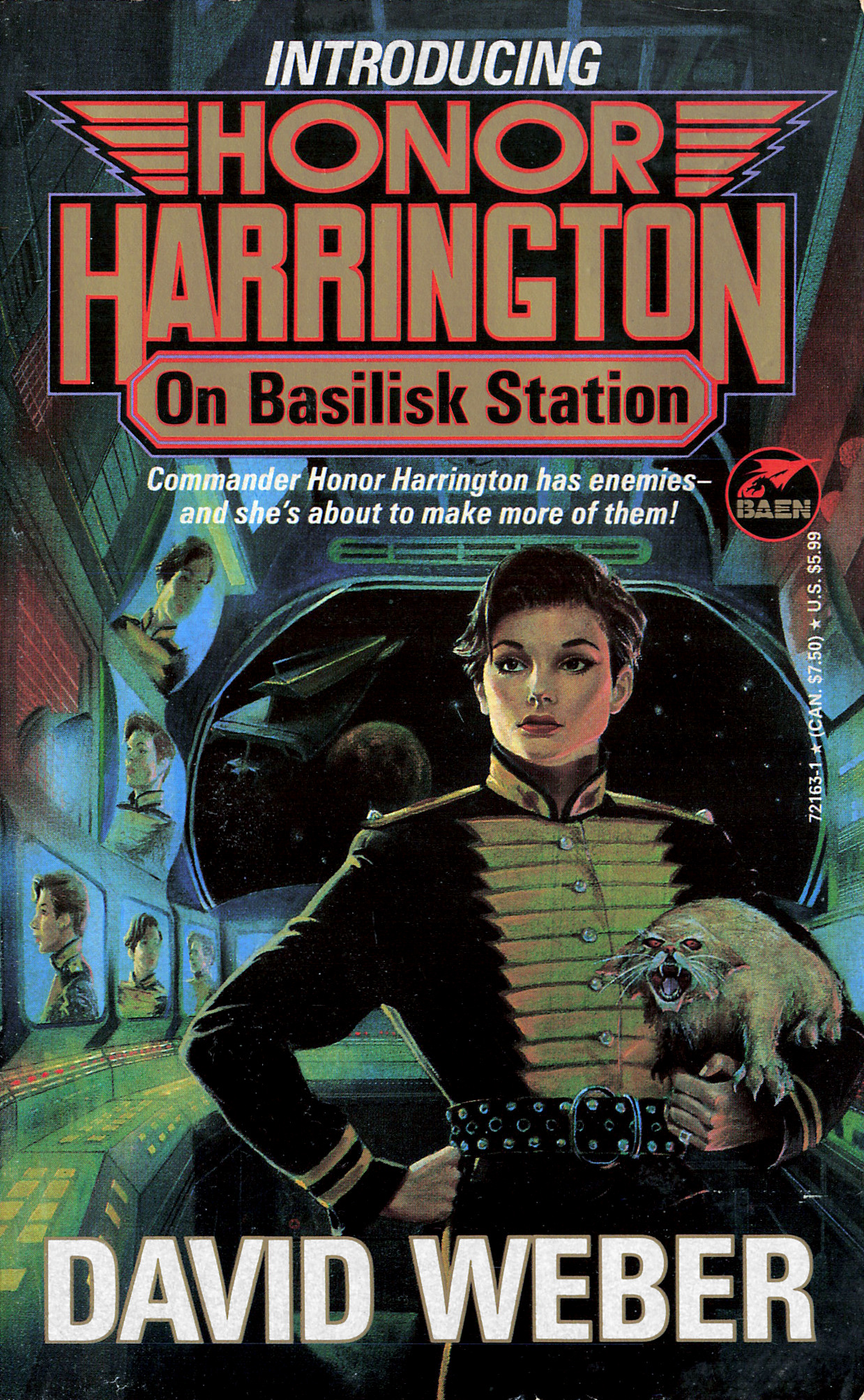
David Weber Miles to Go The Triumphant by Linda Evans, Robert R. Hollingsworth, and David Weber ★ ★ ★ ★ ★ Bolo #12The Triumphant is the twelfth book in the Bolo series. It’s an anthology of Bolo stories written by three different authors. They explore the emotional bond between a Bolo and the people around them, and the dangers of caring too much about a machine built for war.The Traitor Dyma Fi’n Sefyll in the Bolo-inspired World Breakers , and even his Honorverse series, starting with On Basilisk Station On Basilisk Station by David Weber ★ ★ ★ ☆ ☆ Honor Harrington #1On Basilisk Station by David Weber is the first book in the long-running military science fiction epic, the Honor Harrington series. It introduces Commander Honor Harrington, a brilliant naval officer exiled to a remote star system with an aging ship and a demoralized crew. There, she must enforce the law and uncover a smuggling plot that proves to be the opening move in an interstellar war.
A Brief History of Human Expansion Beyond Concordiat Space ★ ★ ★ ★ ★
An in-universe technical paper, similar to A Brief Technical History of the Bolo The Triumphant by Linda Evans, Robert R. Hollingsworth, and David Weber ★ ★ ★ ★ ★ Bolo #12The Triumphant is the twelfth book in the Bolo series. It’s an anthology of Bolo stories written by three different authors. They explore the emotional bond between a Bolo and the people around them, and the dangers of caring too much about a machine built for war.A Relic of War Bolo: Annals of the Dinochrome Brigade by Keith Laumer ★ ★ ★ ☆ ☆ Bolo #1Bolo: Annals of the Dinochrome Brigade , by Keith Laumer , is the first book in the Bolo series. It is a collection of seven novellas and short stories, all featuring Bolos.Little Dog Gone The Triumphant by Linda Evans, Robert R. Hollingsworth, and David Weber ★ ★ ★ ★ ★ Bolo #12The Triumphant is the twelfth book in the Bolo series. It’s an anthology of Bolo stories written by three different authors. They explore the emotional bond between a Bolo and the people around them, and the dangers of caring too much about a machine built for war.