The Wind in the Willows
View as Markdown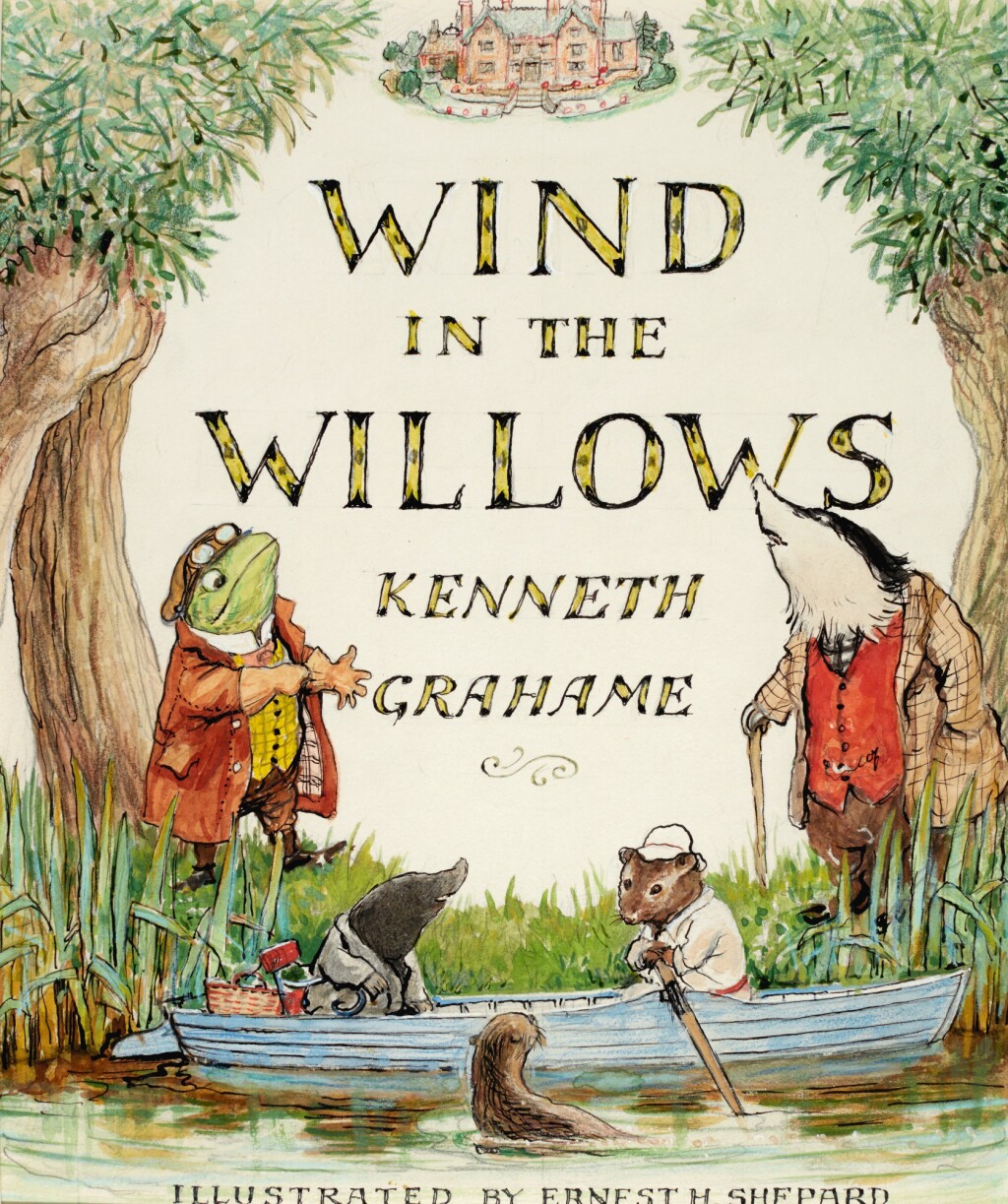
Review
The Wind in the Willows, by , follows Mole, Ratty, Badger, and Toad in a story of bucolic life in the English countryside: playing around in boats, long summers, and the pull of home.
My father read The Wind in the Willows to me when I was young. My first memory of it is him reading the final chapter, The Return of Ulysses, in which Toad, Badger, Mole, and Ratty storm Toad Hall and take it back from the weasels, ferrets, and stoats. I remember him singing When The Toad Came Home loudly. I don’t know if we read the whole book; on this re-read I found some chapters familiar and others completely new, so I suspect we only read some of them.
The Wind in the Willows is a perfect story for children. It captures the feeling of childhood: so much that feels like it needs to be done, so little that you actually have to do. Long summers, but not long enough, full of exploration and activity. Someone else is doing all the work to maintain Toad, Badger, Mole, and Ratty’s lifestyle, but they can’t even conceive of it. Their lives sprang into existence as they are and are only slowly changing.
The book alternates between philosophy chapters, mostly with Mole and Ratty, and Toad’s chapters. The philosophy chapters are about home: what it means to leave it, to be tempted away from it, to realize it’s what gives your life meaning, to return and reclaim it. Toad’s chapters are about getting into trouble with motorcars, being thrown into and breaking out of jail, high-speed chases on trains, and fighting weasels, ferrets, and stoats. The two strands provide a good mix of thought and action, letting us rest between the troubles Toad gets into.
The philosophy chapters remind me of my father, who studied philosophy in college and almost went on to a PhD. The way he focused on living a life he defined as good, on the craft of his art, and on his family. The way he felt like your home or your things could be glad to see you, just as you were glad to see them. I don’t think he got these ideas from The Wind in the Willows, but I wouldn’t be surprised if he decided to read it to me because of how it aligned with his thinking.
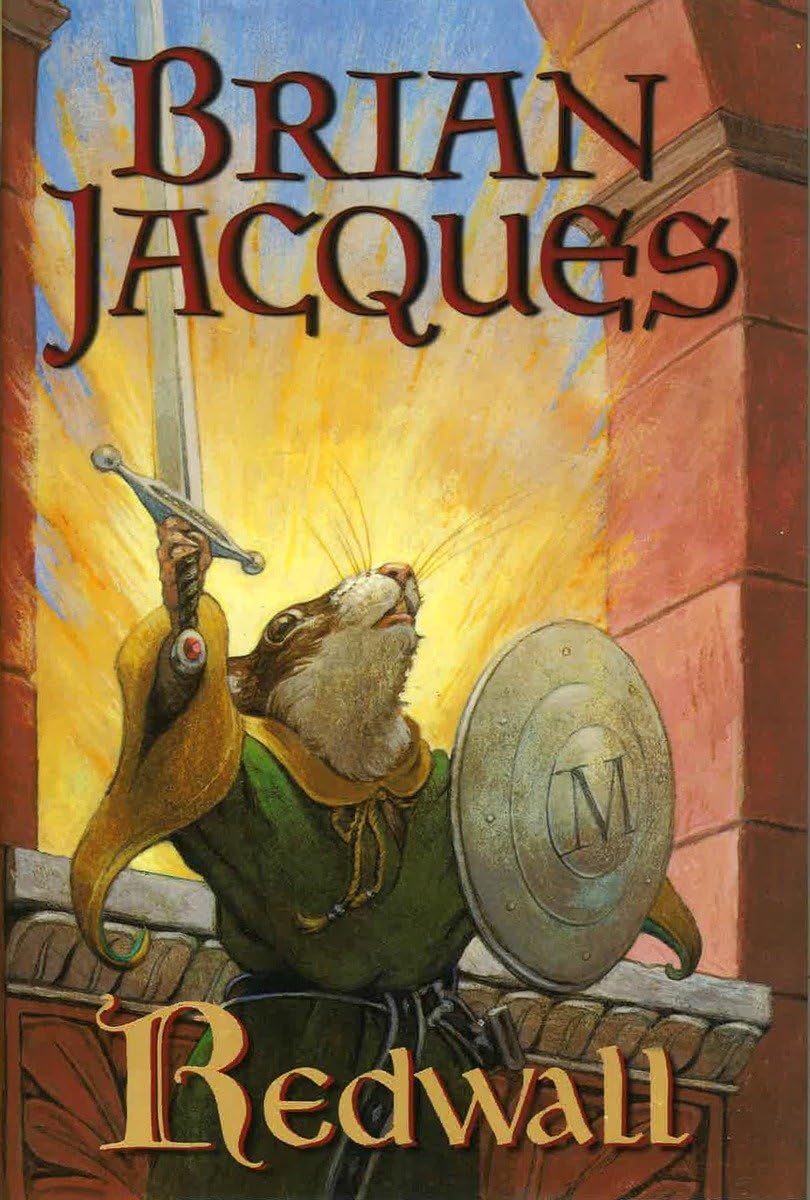
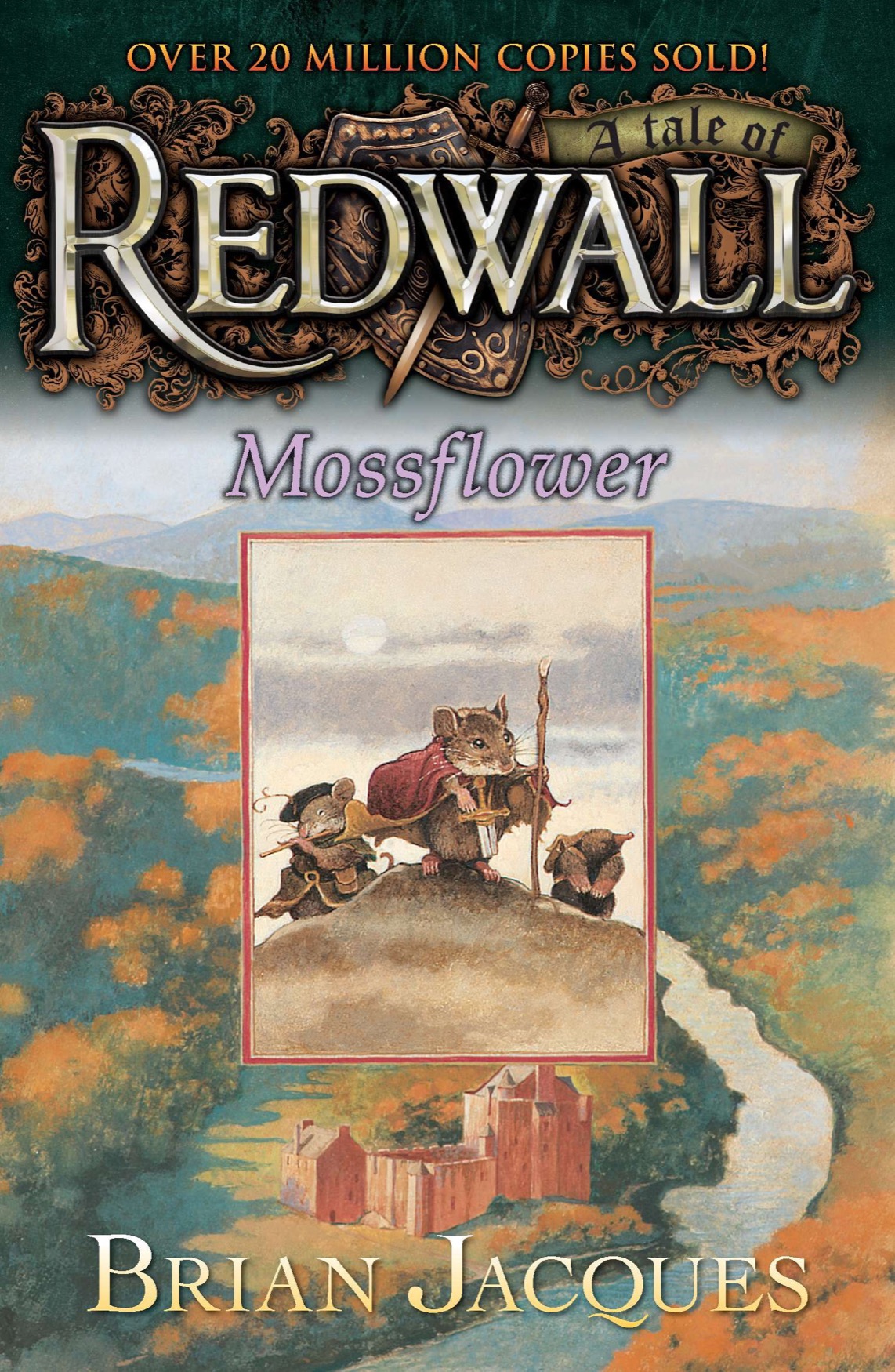
The Wind in the Willows was hugely influential to when writing the Redwall. ’s animals share the same traits as ’s: badgers are fearsome and wise; moles are honest and obedient; weasels, ferrets, and stoats are bad. Both are English pastoral stories. Both feature songs woven through them. ’s Redwall even has the same uncomfortable juxtaposition of anthropomorphic animals in a human world, which he thankfully drops by the second book, Mossflower.
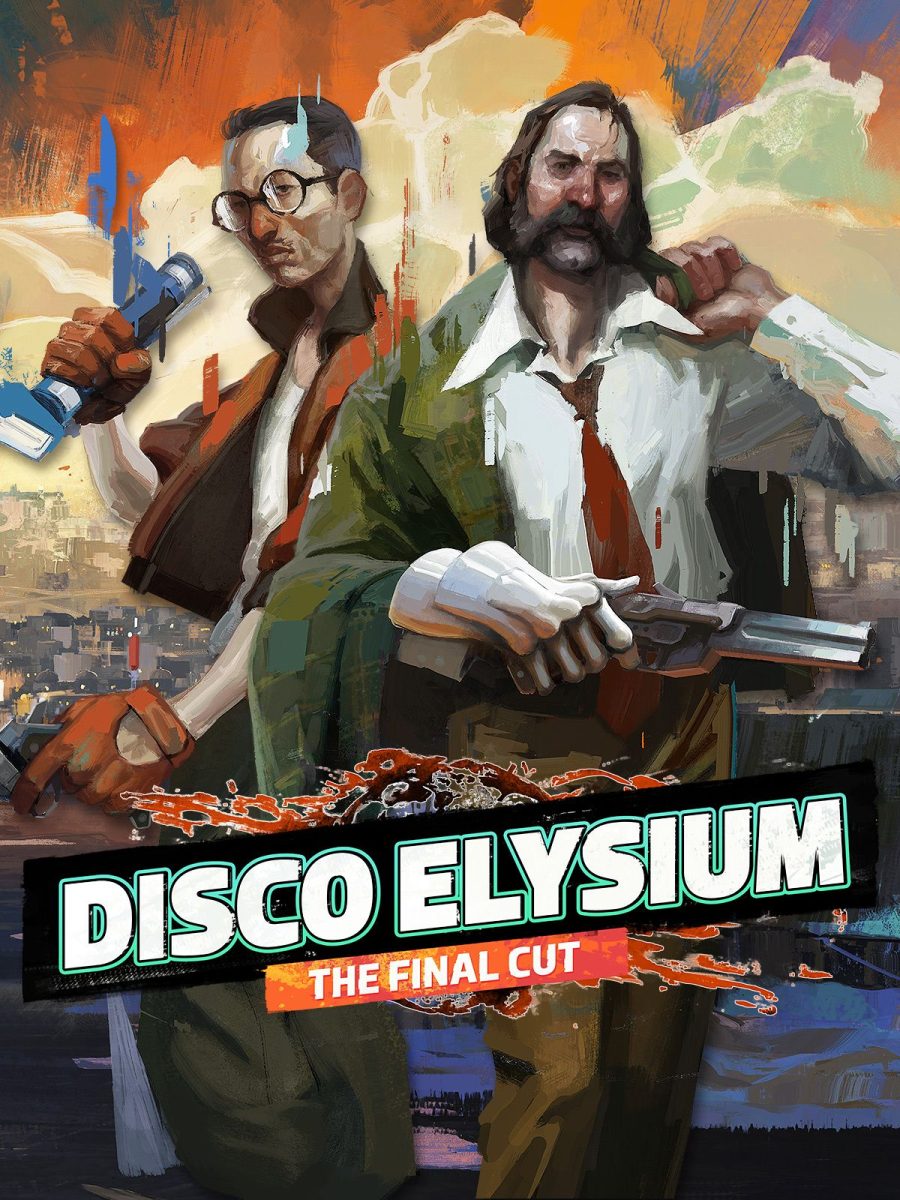
The Wind in the Willows reminded me of others I’ve read. Toad’s vengeful return is based on Odysseus’s from ’s The Odyssey; it’s right there in the chapter title. The anthropomorphized animals in England recall ’s Watership Down, though Watership Down is much darker. The way Mole can feel his home calling to him “like an electric shock” is similar to how Shivers allows Harrier Du Bois to commune with the city Revachol in Disco Elysium.
I enjoyed The Wind in the Willows, and I suspect my children, who loved ’s Redwall, would too. We’ve drifted out of me reading to them at bedtime as they’ve started reading their own books, but we might have to start it up again for one last book.